Каталог
Сравнение

Сообщение об ошибке

  • Warning: fopen(/mnt/mopra/www/cache/sites_default_cache_form/form_form-c1k2iOsaQ7e7-3zVHe99YF8_jBf4EBnxbTQZHIt5Brs): failed to open stream: No space left on device в функции DrupalFileCache->set() (строка 341 в файле /mnt/mopra/www/src/sites/all/modules/filecache/filecache.inc).
  • Warning: fopen(/mnt/mopra/www/cache/sites_default_cache_form/form_state_form-c1k2iOsaQ7e7-3zVHe99YF8_jBf4EBnxbTQZHIt5Brs): failed to open stream: No space left on device в функции DrupalFileCache->set() (строка 341 в файле /mnt/mopra/www/src/sites/all/modules/filecache/filecache.inc).
  • Warning: fopen(/mnt/mopra/www/cache/sites_default_cache_form/form_form-D--GqbmCmFfL3dFLnkhicUE2qKSxTdBJag1ZoNAWZHo): failed to open stream: No space left on device в функции DrupalFileCache->set() (строка 341 в файле /mnt/mopra/www/src/sites/all/modules/filecache/filecache.inc).
  • Warning: fopen(/mnt/mopra/www/cache/sites_default_cache_form/form_state_form-D--GqbmCmFfL3dFLnkhicUE2qKSxTdBJag1ZoNAWZHo): failed to open stream: No space left on device в функции DrupalFileCache->set() (строка 341 в файле /mnt/mopra/www/src/sites/all/modules/filecache/filecache.inc).
  • Warning: fopen(/mnt/mopra/www/cache/sites_default_cache_form/form_form-1ZBZMYMgQRUIR-Qq_gkwrvCpvsfDLhzLqdQHnnHvxYU): failed to open stream: No space left on device в функции DrupalFileCache->set() (строка 341 в файле /mnt/mopra/www/src/sites/all/modules/filecache/filecache.inc).
  • Warning: fopen(/mnt/mopra/www/cache/sites_default_cache_form/form_state_form-1ZBZMYMgQRUIR-Qq_gkwrvCpvsfDLhzLqdQHnnHvxYU): failed to open stream: No space left on device в функции DrupalFileCache->set() (строка 341 в файле /mnt/mopra/www/src/sites/all/modules/filecache/filecache.inc).
  • Warning: fopen(/mnt/mopra/www/cache/sites_default_cache_form/form_form-yIU4cqSrKCSGSNT2oe3N6eeg-T-_DI_8-hXSjsZK41I): failed to open stream: No space left on device в функции DrupalFileCache->set() (строка 341 в файле /mnt/mopra/www/src/sites/all/modules/filecache/filecache.inc).
  • Warning: fopen(/mnt/mopra/www/cache/sites_default_cache_form/form_state_form-yIU4cqSrKCSGSNT2oe3N6eeg-T-_DI_8-hXSjsZK41I): failed to open stream: No space left on device в функции DrupalFileCache->set() (строка 341 в файле /mnt/mopra/www/src/sites/all/modules/filecache/filecache.inc).
  • Warning: fopen(/mnt/mopra/www/cache/sites_default_cache_form/form_form-C0Lv50fS1mNTYMQZCMc_m7HDYHNOaKBu3nDiudSQOh8): failed to open stream: No space left on device в функции DrupalFileCache->set() (строка 341 в файле /mnt/mopra/www/src/sites/all/modules/filecache/filecache.inc).
  • Warning: fopen(/mnt/mopra/www/cache/sites_default_cache_form/form_state_form-C0Lv50fS1mNTYMQZCMc_m7HDYHNOaKBu3nDiudSQOh8): failed to open stream: No space left on device в функции DrupalFileCache->set() (строка 341 в файле /mnt/mopra/www/src/sites/all/modules/filecache/filecache.inc).

Вы здесь

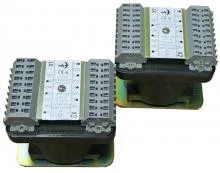
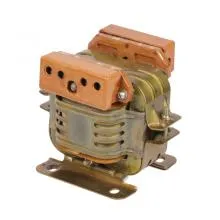
Трансформатор  СТС-7 Т2.
коротко о товаре
  • Марка
    МЭТЗ (Беларусь)
  • Назначение

    Трансформатор силовой - служит для преобразования электрической энергии одного напряжения в энергию другого напряжения. Является основным оборудованием электрических подстанций.

    Трансформатор для прогрева бетона и грунта - предназначен для электропрогрева и других способов электротермообработки смеси и замерзшего грунта с автоматическим регулированием температуры, в условиях строительных площадок. К данным трансформаторам присоединяется нагревательный провод ПНСВ, проложенный внутри бетона, по которому подается электрический ток, преобразующийся в температуру, доходящую до +80 градусов.

    Трансформаторные подстанции - электроустановка, предназначенная для приема, преобразования (повышения или понижения) напряжения в сети переменного тока и распределения электроэнергии. Состоит из силовых трансформаторов, распределительного устройства, устройства автоматического управления и защиты, а также вспомогательных сооружений.

    Трансформаторы тока - предназначен для регулировки тока

    Трансформаторы напряжения - предназначен для регулировки напряжения

    Трансформатор понижающий - многоцелевые трансформаторы небольших габаритов

    Трансформатор разделительный - первичная обмотка отделена от вторичных обмоток при помощи защитного электрического разделения цепей: двойной или усиленной изоляции, или основной изоляции и защитного экрана. Применение такого подключения электроприемника существенно снижает вероятность поражения электрическим током

    Тороидальный трансформатор представляет собой высокоэффективный трансформатор, который легче и меньше, чем альтернативные трансформаторы такой же мощности. Применение тороидальных трансформаторов позволяет уменьшить массу и габариты изделий, повысить КПД, увеличить плотность монтажа

    Назначение
    Трансформатор понижающий многофунциональный
  • СерияСТ, СОБС, СОС, СТС, ОСС
  • Номинальная мощность
    Номинальная мощность трансформатора представляет собой значение полной мощности трансформатора на основном ответвлении, гарантированное заводом-изготовителем в номинальных условиях охлаждающей среды при номинальном напряжении и номинальной частоте.
    Номинальная мощность
    0.0231 кВА
  • все товары МЭТЗ (Беларусь)
цену уточняйте
Как отправить запрос, уточнить цену и получить предложение?
  • 1 Нажмите на кнопку "Отправить запрос"
  • 2 В открывшейся форме укажите контактные данные и отправьте предварительную заявку
  • 3 Поставщик уточнит детали и предоставит предложение на поставку товара
  • 4 Вы можете принять предложение или выбрать другого поставщика
ГК Новые технологии Казань показать телефон
<
>
Безналичный расчет, Банковский перевод подробнее
Транспотрная компания подробнее
Чтобы купить Трансформатор СТС-7 Т2, вам нужно отправить запрос или связаться с поставщиком.
  • Характеристики
  • Поставщики
  • Описание
  • Отзывы (2492)
Характеристики

ВСЕ ХАРАКТЕРИСТИКИ ТОВАРА Трансформатор СТС-7 Т2

Характеристика Значение
Марка
МЭТЗ (Беларусь)
Назначение

Трансформатор силовой - служит для преобразования электрической энергии одного напряжения в энергию другого напряжения. Является основным оборудованием электрических подстанций.

Трансформатор для прогрева бетона и грунта - предназначен для электропрогрева и других способов электротермообработки смеси и замерзшего грунта с автоматическим регулированием температуры, в условиях строительных площадок. К данным трансформаторам присоединяется нагревательный провод ПНСВ, проложенный внутри бетона, по которому подается электрический ток, преобразующийся в температуру, доходящую до +80 градусов.

Трансформаторные подстанции - электроустановка, предназначенная для приема, преобразования (повышения или понижения) напряжения в сети переменного тока и распределения электроэнергии. Состоит из силовых трансформаторов, распределительного устройства, устройства автоматического управления и защиты, а также вспомогательных сооружений.

Трансформаторы тока - предназначен для регулировки тока

Трансформаторы напряжения - предназначен для регулировки напряжения

Трансформатор понижающий - многоцелевые трансформаторы небольших габаритов

Трансформатор разделительный - первичная обмотка отделена от вторичных обмоток при помощи защитного электрического разделения цепей: двойной или усиленной изоляции, или основной изоляции и защитного экрана. Применение такого подключения электроприемника существенно снижает вероятность поражения электрическим током

Тороидальный трансформатор представляет собой высокоэффективный трансформатор, который легче и меньше, чем альтернативные трансформаторы такой же мощности. Применение тороидальных трансформаторов позволяет уменьшить массу и габариты изделий, повысить КПД, увеличить плотность монтажа

Назначение
Трансформатор понижающий многофунциональный
Серия СТ, СОБС, СОС, СТС, ОСС
Номинальная мощность
Номинальная мощность трансформатора представляет собой значение полной мощности трансформатора на основном ответвлении, гарантированное заводом-изготовителем в номинальных условиях охлаждающей среды при номинальном напряжении и номинальной частоте.
Номинальная мощность
0.0231 кВА
Номинальное высшее напряжение

Номинальное напряжение первичной обмотки при холостом ходе трансформатора

Номинальное высшее напряжение
200 В
Номинальное низшее напряжение

Номинальное напряжение вторичной обмотки при холостом ходе трансформатора

Номинальное низшее напряжение
24 В
Количество фаз
В обычных сетях применяются однофазные трансформаторы, в сетях на три провода (фаза, ноль, заземление) нужен трехфазный трансформатор.
Количество фаз
Однофазный
Тип диэлектрика трансформатора
По типу охлаждения устройства делятся на две категории – силовые сухие трансформаторы (с воздушным охлаждением) и силовые масляные трансформаторы
Тип диэлектрика трансформатора
Сухой
Характеристика Значение
Частота 50 Гц
Степень защиты
Маркировка степени защиты оболочки электрооборудования осуществляется при помощи международного знака защиты (IP) и двух цифр, первая из которых означает защиту от попадания твёрдых предметов, вторая — от проникновения воды. IP00 - защита отсутствует. IP65 - пыленепроницаемое, с защитой от водяных струй с любого направления
Степень защиты
IP20
Масса полная
Для трансформатора - полная масса трансформатора, с учетом массы масла. Для КТП - полная масса КТП, без учета массы трансформаторов
Масса полная
0.95 кг
Климатическое исполнение и категория размещения
Климатическое исполнение — как правило, указывается в последней группе знаков обозначений технических устройств. Буквенная часть обозначает климатическую зону. Следующая за буквенной цифровая часть означает категорию размещения.
Климатическое исполнение и категория размещения
Т2
Габариты, длина 91 мм
Габариты, ширина 76 мм
Габариты, высота 92 мм
Гарантия 36 мес.
Поставщики
МЭТЗ показать телефон Россия цену уточняйте
Как отправить запрос, уточнить цену и получить предложение?
  • 1 Нажмите на кнопку "Отправить запрос"
  • 2 В открывшейся форме укажите контактные данные и отправьте предварительную заявку
  • 3 Поставщик уточнит детали и предоставит предложение на поставку товара
  • 4 Вы можете принять предложение или выбрать другого поставщика
Описание
описание

Трансформаторы СТС (сигнальные трансформаторы светодиодных светофоров) предназначены для электропитания светодиодных светофоров микропроцессорных систем железнодорожной автоматики.

Трансформаторы соответствует требованиям СТБ МЭК 61558-2-6 ГОСТ 15963-79.

Вид климатического исполнения – Т2 по ГОСТ 15150-69.

Температура окружающего воздуха от минус 40 С до плюс 70 С.

Номинальные рабочие значения механических внешних воздействующих факторов – ГОСТ 30631-99 для групп механического исполнения М6 при установке в любом рабочем положении.

Трансформаторы предназначены для работы в продолжительном режиме.

Исполнение трансформаторов по условиям установки на месте работы – встраиваемые, стационарные.

В соответствии с требованиями электромагнитной совместимости
трансформаторы могут применяться в окружающей обстановке 1 – среде, характерной для оборудования, устанавливаемого в жилых, коммерческих зданиях или зданиях лёгкой промышленности, предназначенного для непосредственного подключения к низковольтным электрическим сетям общего пользования.

Класс нагревостойкости изоляции – В по ГОСТ 8865-83.

По способу защиты от поражения электрическим током трансформаторы относятся к классу II по ГОСТ 12.2.007.0-75 и имеют степень защиты IP20 по ГОСТ 14254-96.
Корректированный уровень звуковой мощности трансформаторов не должен превышать 20 дБА как при холостом ходе, так и при номинальной нагрузке.

Отзывы (2492)
Трансформатор СТС-7 Т2

The survivors of recent crashes were sitting at the back of the plane. What does that tell us about airplane safety? kraken тор Look at the photos of the two fatal air crashes of the last two weeks, and amid the horror and the anguish, one thought might come to mind for frequent flyers. The old frequent-flyer adage is that sitting at the back of the plane is a safer place to be than at the front — and the wreckage of both Azerbaijan Airlines flight 8243 and Jeju Air flight 2216 seem to bear that out. https://kra26c.cc kra27 cc The 29 survivors of the Azeri crash were all sitting at the back of the plane, which split into two, leaving the rear half largely intact. The sole survivors of the South Korean crash, meanwhile, were the two flight attendants in their jumpseats in the very tail of the plane. So is that old adage — and the dark humor jokes about first and business class seats being good until there’s a problem with the plane — right after all? In 2015, TIME Magazine reporters wrote that they had combed through the records of all US plane crashes with both fatalities and survivors from 1985 to 2000, and found in a meta-analysis that seats in the back third of the aircraft had a 32% fatality rate overall, compared with 38% in the front third and 39% in the middle third. Even better, they found, were middle seats in that back third of the cabin, with a 28% fatality rate. The “worst” seats were aisles in the middle third of the aircraft, with a 44% fatality rate. But does that still hold true in 2024? According to aviation safety experts, it’s an old wives’ tale. “There isn’t any data that shows a correlation of seating to survivability,” says Hassan Shahidi, president of the Flight Safety Foundation. “Every accident is different.” “If we’re talking about a fatal crash, then there is almost no difference where one sits,” says Cheng-Lung Wu, associate professor at the School of Aviation of the University of New South Wales, Sydney. Ed Galea, professor of fire safety engineering at London’s University of Greenwich, who has conducted landmark studies on plane crash evacuations, warns, “There is no magic safest seat.”

The survivors of recent crashes were sitting at the back of the plane. What does that tell us about airplane safety? kraken тор Look at the photos of the two fatal air crashes of the last two weeks, and amid the horror and the anguish, one thought might come to mind for frequent flyers. The old frequent-flyer adage is that sitting at the back of the plane is a safer place to be than at the front — and the wreckage of both Azerbaijan Airlines flight 8243 and Jeju Air flight 2216 seem to bear that out. https://kra26c.cc kra27 cc The 29 survivors of the Azeri crash were all sitting at the back of the plane, which split into two, leaving the rear half largely intact. The sole survivors of the South Korean crash, meanwhile, were the two flight attendants in their jumpseats in the very tail of the plane. So is that old adage — and the dark humor jokes about first and business class seats being good until there’s a problem with the plane — right after all? In 2015, TIME Magazine reporters wrote that they had combed through the records of all US plane crashes with both fatalities and survivors from 1985 to 2000, and found in a meta-analysis that seats in the back third of the aircraft had a 32% fatality rate overall, compared with 38% in the front third and 39% in the middle third. Even better, they found, were middle seats in that back third of the cabin, with a 28% fatality rate. The “worst” seats were aisles in the middle third of the aircraft, with a 44% fatality rate. But does that still hold true in 2024? According to aviation safety experts, it’s an old wives’ tale. “There isn’t any data that shows a correlation of seating to survivability,” says Hassan Shahidi, president of the Flight Safety Foundation. “Every accident is different.” “If we’re talking about a fatal crash, then there is almost no difference where one sits,” says Cheng-Lung Wu, associate professor at the School of Aviation of the University of New South Wales, Sydney. Ed Galea, professor of fire safety engineering at London’s University of Greenwich, who has conducted landmark studies on plane crash evacuations, warns, “There is no magic safest seat.”

The survivors of recent crashes were sitting at the back of the plane. What does that tell us about airplane safety? kraken тор Look at the photos of the two fatal air crashes of the last two weeks, and amid the horror and the anguish, one thought might come to mind for frequent flyers. The old frequent-flyer adage is that sitting at the back of the plane is a safer place to be than at the front — and the wreckage of both Azerbaijan Airlines flight 8243 and Jeju Air flight 2216 seem to bear that out. https://kra26c.cc kra27 cc The 29 survivors of the Azeri crash were all sitting at the back of the plane, which split into two, leaving the rear half largely intact. The sole survivors of the South Korean crash, meanwhile, were the two flight attendants in their jumpseats in the very tail of the plane. So is that old adage — and the dark humor jokes about first and business class seats being good until there’s a problem with the plane — right after all? In 2015, TIME Magazine reporters wrote that they had combed through the records of all US plane crashes with both fatalities and survivors from 1985 to 2000, and found in a meta-analysis that seats in the back third of the aircraft had a 32% fatality rate overall, compared with 38% in the front third and 39% in the middle third. Even better, they found, were middle seats in that back third of the cabin, with a 28% fatality rate. The “worst” seats were aisles in the middle third of the aircraft, with a 44% fatality rate. But does that still hold true in 2024? According to aviation safety experts, it’s an old wives’ tale. “There isn’t any data that shows a correlation of seating to survivability,” says Hassan Shahidi, president of the Flight Safety Foundation. “Every accident is different.” “If we’re talking about a fatal crash, then there is almost no difference where one sits,” says Cheng-Lung Wu, associate professor at the School of Aviation of the University of New South Wales, Sydney. Ed Galea, professor of fire safety engineering at London’s University of Greenwich, who has conducted landmark studies on plane crash evacuations, warns, “There is no magic safest seat.”

Трансформатор СТС-7 Т2

Most plane crashes are ‘survivable’ [url=https://kra26c.cc]kraken войти[/url] First, the good news. “The vast majority of aircraft accidents are survivable, and the majority of people in accidents survive,” says Galea. Since 1988, aircraft — and the seats inside them — must be built to withstand an impact of up to 16G, or g-force up to 16 times the force of gravity. That means, he says, that in most incidents, “it’s possible to survive the trauma of the impact of the crash.” For instance, he classes the initial Jeju Air incident as survivable — an assumed bird strike, engine loss and belly landing on the runway, without functioning landing gear. “Had it not smashed into the concrete reinforced obstacle at the end of the runway, it’s quite possible the majority, if not everyone, could have survived,” he says. The Azerbaijan Airlines crash, on the other hand, he classes as a non-survivable accident, and calls it a “miracle” that anyone made it out alive. https://kra26c.cc kraken тор Most aircraft involved in accidents, however, are not — as suspicion is growing over the Azerbaijan crash — shot out of the sky. And with modern planes built to withstand impacts and slow the spread of fire, Galea puts the chances of surviving a “survivable” accident at at least 90%. Instead, he says, what makes the difference between life and death in most modern accidents is how fast passengers can evacuate. Aircraft today must show that they can be evacuated in 90 seconds in order to gain certification. But a theoretical evacuation — practiced with volunteers at the manufacturers’ premises — is very different from the reality of a panicked public onboard a jet that has just crash-landed. Galea, an evacuation expert, has conducted research for the UK’s Civil Aviation Authority (CAA) looking at the most “survivable” seats on a plane. His landmark research, conducted over several years in the early 2000s, looked at how passengers and crew behaved during a post-crash evacuation, rather than looking at the crashes themselves. By compiling data from 1,917 passengers and 155 crew involved in 105 accidents from 1977 to 1999, his team created a database of human behavior around plane crashes. His analysis of which exits passengers actually used “shattered many myths about aircraft evacuation,” he says. “Prior to my study, it was believed that passengers tend to use their boarding exit because it was the most familiar, and that passengers tend to go forward. My analysis of the data demonstrated that none of these myths were supported by the evidence.”

Most plane crashes are ‘survivable’ [url=https://kra26c.cc]kraken войти[/url] First, the good news. “The vast majority of aircraft accidents are survivable, and the majority of people in accidents survive,” says Galea. Since 1988, aircraft — and the seats inside them — must be built to withstand an impact of up to 16G, or g-force up to 16 times the force of gravity. That means, he says, that in most incidents, “it’s possible to survive the trauma of the impact of the crash.” For instance, he classes the initial Jeju Air incident as survivable — an assumed bird strike, engine loss and belly landing on the runway, without functioning landing gear. “Had it not smashed into the concrete reinforced obstacle at the end of the runway, it’s quite possible the majority, if not everyone, could have survived,” he says. The Azerbaijan Airlines crash, on the other hand, he classes as a non-survivable accident, and calls it a “miracle” that anyone made it out alive. https://kra26c.cc kraken тор Most aircraft involved in accidents, however, are not — as suspicion is growing over the Azerbaijan crash — shot out of the sky. And with modern planes built to withstand impacts and slow the spread of fire, Galea puts the chances of surviving a “survivable” accident at at least 90%. Instead, he says, what makes the difference between life and death in most modern accidents is how fast passengers can evacuate. Aircraft today must show that they can be evacuated in 90 seconds in order to gain certification. But a theoretical evacuation — practiced with volunteers at the manufacturers’ premises — is very different from the reality of a panicked public onboard a jet that has just crash-landed. Galea, an evacuation expert, has conducted research for the UK’s Civil Aviation Authority (CAA) looking at the most “survivable” seats on a plane. His landmark research, conducted over several years in the early 2000s, looked at how passengers and crew behaved during a post-crash evacuation, rather than looking at the crashes themselves. By compiling data from 1,917 passengers and 155 crew involved in 105 accidents from 1977 to 1999, his team created a database of human behavior around plane crashes. His analysis of which exits passengers actually used “shattered many myths about aircraft evacuation,” he says. “Prior to my study, it was believed that passengers tend to use their boarding exit because it was the most familiar, and that passengers tend to go forward. My analysis of the data demonstrated that none of these myths were supported by the evidence.”

Most plane crashes are ‘survivable’ [url=https://kra26c.cc]kraken войти[/url] First, the good news. “The vast majority of aircraft accidents are survivable, and the majority of people in accidents survive,” says Galea. Since 1988, aircraft — and the seats inside them — must be built to withstand an impact of up to 16G, or g-force up to 16 times the force of gravity. That means, he says, that in most incidents, “it’s possible to survive the trauma of the impact of the crash.” For instance, he classes the initial Jeju Air incident as survivable — an assumed bird strike, engine loss and belly landing on the runway, without functioning landing gear. “Had it not smashed into the concrete reinforced obstacle at the end of the runway, it’s quite possible the majority, if not everyone, could have survived,” he says. The Azerbaijan Airlines crash, on the other hand, he classes as a non-survivable accident, and calls it a “miracle” that anyone made it out alive. https://kra26c.cc kraken тор Most aircraft involved in accidents, however, are not — as suspicion is growing over the Azerbaijan crash — shot out of the sky. And with modern planes built to withstand impacts and slow the spread of fire, Galea puts the chances of surviving a “survivable” accident at at least 90%. Instead, he says, what makes the difference between life and death in most modern accidents is how fast passengers can evacuate. Aircraft today must show that they can be evacuated in 90 seconds in order to gain certification. But a theoretical evacuation — practiced with volunteers at the manufacturers’ premises — is very different from the reality of a panicked public onboard a jet that has just crash-landed. Galea, an evacuation expert, has conducted research for the UK’s Civil Aviation Authority (CAA) looking at the most “survivable” seats on a plane. His landmark research, conducted over several years in the early 2000s, looked at how passengers and crew behaved during a post-crash evacuation, rather than looking at the crashes themselves. By compiling data from 1,917 passengers and 155 crew involved in 105 accidents from 1977 to 1999, his team created a database of human behavior around plane crashes. His analysis of which exits passengers actually used “shattered many myths about aircraft evacuation,” he says. “Prior to my study, it was believed that passengers tend to use their boarding exit because it was the most familiar, and that passengers tend to go forward. My analysis of the data demonstrated that none of these myths were supported by the evidence.”

Трансформатор СТС-7 Т2

The survivors of recent crashes were sitting at the back of the plane. What does that tell us about airplane safety? [url=https://kra26c.cc]Џлощадка кракен[/url] Look at the photos of the two fatal air crashes of the last two weeks, and amid the horror and the anguish, one thought might come to mind for frequent flyers. The old frequent-flyer adage is that sitting at the back of the plane is a safer place to be than at the front — and the wreckage of both Azerbaijan Airlines flight 8243 and Jeju Air flight 2216 seem to bear that out. https://kra26c.cc Љракен даркнет The 29 survivors of the Azeri crash were all sitting at the back of the plane, which split into two, leaving the rear half largely intact. The sole survivors of the South Korean crash, meanwhile, were the two flight attendants in their jumpseats in the very tail of the plane. So is that old adage — and the dark humor jokes about first and business class seats being good until there’s a problem with the plane — right after all? In 2015, TIME Magazine reporters wrote that they had combed through the records of all US plane crashes with both fatalities and survivors from 1985 to 2000, and found in a meta-analysis that seats in the back third of the aircraft had a 32% fatality rate overall, compared with 38% in the front third and 39% in the middle third. Even better, they found, were middle seats in that back third of the cabin, with a 28% fatality rate. The “worst” seats were aisles in the middle third of the aircraft, with a 44% fatality rate. But does that still hold true in 2024? According to aviation safety experts, it’s an old wives’ tale. “There isn’t any data that shows a correlation of seating to survivability,” says Hassan Shahidi, president of the Flight Safety Foundation. “Every accident is different.” “If we’re talking about a fatal crash, then there is almost no difference where one sits,” says Cheng-Lung Wu, associate professor at the School of Aviation of the University of New South Wales, Sydney. Ed Galea, professor of fire safety engineering at London’s University of Greenwich, who has conducted landmark studies on plane crash evacuations, warns, “There is no magic safest seat.”

The survivors of recent crashes were sitting at the back of the plane. What does that tell us about airplane safety? [url=https://kra26c.cc]Џлощадка кракен[/url] Look at the photos of the two fatal air crashes of the last two weeks, and amid the horror and the anguish, one thought might come to mind for frequent flyers. The old frequent-flyer adage is that sitting at the back of the plane is a safer place to be than at the front — and the wreckage of both Azerbaijan Airlines flight 8243 and Jeju Air flight 2216 seem to bear that out. https://kra26c.cc Љракен даркнет The 29 survivors of the Azeri crash were all sitting at the back of the plane, which split into two, leaving the rear half largely intact. The sole survivors of the South Korean crash, meanwhile, were the two flight attendants in their jumpseats in the very tail of the plane. So is that old adage — and the dark humor jokes about first and business class seats being good until there’s a problem with the plane — right after all? In 2015, TIME Magazine reporters wrote that they had combed through the records of all US plane crashes with both fatalities and survivors from 1985 to 2000, and found in a meta-analysis that seats in the back third of the aircraft had a 32% fatality rate overall, compared with 38% in the front third and 39% in the middle third. Even better, they found, were middle seats in that back third of the cabin, with a 28% fatality rate. The “worst” seats were aisles in the middle third of the aircraft, with a 44% fatality rate. But does that still hold true in 2024? According to aviation safety experts, it’s an old wives’ tale. “There isn’t any data that shows a correlation of seating to survivability,” says Hassan Shahidi, president of the Flight Safety Foundation. “Every accident is different.” “If we’re talking about a fatal crash, then there is almost no difference where one sits,” says Cheng-Lung Wu, associate professor at the School of Aviation of the University of New South Wales, Sydney. Ed Galea, professor of fire safety engineering at London’s University of Greenwich, who has conducted landmark studies on plane crash evacuations, warns, “There is no magic safest seat.”

The survivors of recent crashes were sitting at the back of the plane. What does that tell us about airplane safety? [url=https://kra26c.cc]Џлощадка кракен[/url] Look at the photos of the two fatal air crashes of the last two weeks, and amid the horror and the anguish, one thought might come to mind for frequent flyers. The old frequent-flyer adage is that sitting at the back of the plane is a safer place to be than at the front — and the wreckage of both Azerbaijan Airlines flight 8243 and Jeju Air flight 2216 seem to bear that out. https://kra26c.cc Љракен даркнет The 29 survivors of the Azeri crash were all sitting at the back of the plane, which split into two, leaving the rear half largely intact. The sole survivors of the South Korean crash, meanwhile, were the two flight attendants in their jumpseats in the very tail of the plane. So is that old adage — and the dark humor jokes about first and business class seats being good until there’s a problem with the plane — right after all? In 2015, TIME Magazine reporters wrote that they had combed through the records of all US plane crashes with both fatalities and survivors from 1985 to 2000, and found in a meta-analysis that seats in the back third of the aircraft had a 32% fatality rate overall, compared with 38% in the front third and 39% in the middle third. Even better, they found, were middle seats in that back third of the cabin, with a 28% fatality rate. The “worst” seats were aisles in the middle third of the aircraft, with a 44% fatality rate. But does that still hold true in 2024? According to aviation safety experts, it’s an old wives’ tale. “There isn’t any data that shows a correlation of seating to survivability,” says Hassan Shahidi, president of the Flight Safety Foundation. “Every accident is different.” “If we’re talking about a fatal crash, then there is almost no difference where one sits,” says Cheng-Lung Wu, associate professor at the School of Aviation of the University of New South Wales, Sydney. Ed Galea, professor of fire safety engineering at London’s University of Greenwich, who has conducted landmark studies on plane crash evacuations, warns, “There is no magic safest seat.”

Трансформатор СТС-7 Т2

A year ago today, things went from bad to worse for Boeing [url=https://kra26c.cc]kraken зайти[/url] At 5 p.m. PT on January 5, 2024, Boeing seemed like a company on the upswing. It didn’t last. Minutes later, a near-tragedy set off a full year of problems. As Alaska Airlines flight 1282 climbed to 16,000 feet in its departure from Portland, Oregon, a door plug blew out near the rear of the plane, leaving a gaping hole in the fuselage. Phones and clothing were ripped away from passengers and sent hurtling into the night sky. Oxygen masks dropped, and the rush of air twisted seats next to the hole toward the opening. https://kra26c.cc kraken ссылка Fortunately, those were among the few empty seats on the flight, and the crew got the plane on the ground without any serious injuries. The incident could have been far worse — even a fatal crash. Not much has gone right for Boeing ever since. The company has had one misstep after another, ranging from embarrassing to horrifying. And many of the problems are poised to extend into 2025 and perhaps beyond. The problems were capped by another Boeing crash in South Korea that killed 179 people on December 29 in what was in the year’s worst aviation disaster. The cause of the crash of a 15-year old Boeing jet flown by Korean discount carrier Jeju Air is still under investigation, and it is quite possible that Boeing will not be found liable for anything that led to the tragedy. But unlike the Jeju crash, most of the problems of the last 12 months have clearly been Boeing’s fault. And 2024 was the sixth straight year of serious problems for the once proud, now embattled company, starting with the 20-month grounding of its best selling plane, the 737 Max, following two fatal crashes in late 2018 and early 2019, which killed 346 people. Still the outlook for 2024 right before the Alaska Air incident had been somewhat promising. The company had just achieved the best sales month in its history in December 2023, capping its strongest sales year since 2018. It was believed to be on the verge of getting Federal Aviation Administration approval for two new models, the 737 Max 7 and Max 10, with airline customers eager to take delivery. Approvals and deliveries of its next generation widebody, the 777X, were believed to be close behind. Its production rate had been climbing and there were hopes that it could be on the verge of returning to profitability for the first time since 2018.

A year ago today, things went from bad to worse for Boeing [url=https://kra26c.cc]kraken зайти[/url] At 5 p.m. PT on January 5, 2024, Boeing seemed like a company on the upswing. It didn’t last. Minutes later, a near-tragedy set off a full year of problems. As Alaska Airlines flight 1282 climbed to 16,000 feet in its departure from Portland, Oregon, a door plug blew out near the rear of the plane, leaving a gaping hole in the fuselage. Phones and clothing were ripped away from passengers and sent hurtling into the night sky. Oxygen masks dropped, and the rush of air twisted seats next to the hole toward the opening. https://kra26c.cc kraken ссылка Fortunately, those were among the few empty seats on the flight, and the crew got the plane on the ground without any serious injuries. The incident could have been far worse — even a fatal crash. Not much has gone right for Boeing ever since. The company has had one misstep after another, ranging from embarrassing to horrifying. And many of the problems are poised to extend into 2025 and perhaps beyond. The problems were capped by another Boeing crash in South Korea that killed 179 people on December 29 in what was in the year’s worst aviation disaster. The cause of the crash of a 15-year old Boeing jet flown by Korean discount carrier Jeju Air is still under investigation, and it is quite possible that Boeing will not be found liable for anything that led to the tragedy. But unlike the Jeju crash, most of the problems of the last 12 months have clearly been Boeing’s fault. And 2024 was the sixth straight year of serious problems for the once proud, now embattled company, starting with the 20-month grounding of its best selling plane, the 737 Max, following two fatal crashes in late 2018 and early 2019, which killed 346 people. Still the outlook for 2024 right before the Alaska Air incident had been somewhat promising. The company had just achieved the best sales month in its history in December 2023, capping its strongest sales year since 2018. It was believed to be on the verge of getting Federal Aviation Administration approval for two new models, the 737 Max 7 and Max 10, with airline customers eager to take delivery. Approvals and deliveries of its next generation widebody, the 777X, were believed to be close behind. Its production rate had been climbing and there were hopes that it could be on the verge of returning to profitability for the first time since 2018.

A year ago today, things went from bad to worse for Boeing [url=https://kra26c.cc]kraken зайти[/url] At 5 p.m. PT on January 5, 2024, Boeing seemed like a company on the upswing. It didn’t last. Minutes later, a near-tragedy set off a full year of problems. As Alaska Airlines flight 1282 climbed to 16,000 feet in its departure from Portland, Oregon, a door plug blew out near the rear of the plane, leaving a gaping hole in the fuselage. Phones and clothing were ripped away from passengers and sent hurtling into the night sky. Oxygen masks dropped, and the rush of air twisted seats next to the hole toward the opening. https://kra26c.cc kraken ссылка Fortunately, those were among the few empty seats on the flight, and the crew got the plane on the ground without any serious injuries. The incident could have been far worse — even a fatal crash. Not much has gone right for Boeing ever since. The company has had one misstep after another, ranging from embarrassing to horrifying. And many of the problems are poised to extend into 2025 and perhaps beyond. The problems were capped by another Boeing crash in South Korea that killed 179 people on December 29 in what was in the year’s worst aviation disaster. The cause of the crash of a 15-year old Boeing jet flown by Korean discount carrier Jeju Air is still under investigation, and it is quite possible that Boeing will not be found liable for anything that led to the tragedy. But unlike the Jeju crash, most of the problems of the last 12 months have clearly been Boeing’s fault. And 2024 was the sixth straight year of serious problems for the once proud, now embattled company, starting with the 20-month grounding of its best selling plane, the 737 Max, following two fatal crashes in late 2018 and early 2019, which killed 346 people. Still the outlook for 2024 right before the Alaska Air incident had been somewhat promising. The company had just achieved the best sales month in its history in December 2023, capping its strongest sales year since 2018. It was believed to be on the verge of getting Federal Aviation Administration approval for two new models, the 737 Max 7 and Max 10, with airline customers eager to take delivery. Approvals and deliveries of its next generation widebody, the 777X, were believed to be close behind. Its production rate had been climbing and there were hopes that it could be on the verge of returning to profitability for the first time since 2018.

Трансформатор СТС-7 Т2

The survivors of recent crashes were sitting at the back of the plane. What does that tell us about airplane safety? [url=https://kra26c.cc]kraken официальный сайт[/url] Look at the photos of the two fatal air crashes of the last two weeks, and amid the horror and the anguish, one thought might come to mind for frequent flyers. The old frequent-flyer adage is that sitting at the back of the plane is a safer place to be than at the front — and the wreckage of both Azerbaijan Airlines flight 8243 and Jeju Air flight 2216 seem to bear that out. https://kra26c.cc Љракен даркнет The 29 survivors of the Azeri crash were all sitting at the back of the plane, which split into two, leaving the rear half largely intact. The sole survivors of the South Korean crash, meanwhile, were the two flight attendants in their jumpseats in the very tail of the plane. So is that old adage — and the dark humor jokes about first and business class seats being good until there’s a problem with the plane — right after all? In 2015, TIME Magazine reporters wrote that they had combed through the records of all US plane crashes with both fatalities and survivors from 1985 to 2000, and found in a meta-analysis that seats in the back third of the aircraft had a 32% fatality rate overall, compared with 38% in the front third and 39% in the middle third. Even better, they found, were middle seats in that back third of the cabin, with a 28% fatality rate. The “worst” seats were aisles in the middle third of the aircraft, with a 44% fatality rate. But does that still hold true in 2024? According to aviation safety experts, it’s an old wives’ tale. “There isn’t any data that shows a correlation of seating to survivability,” says Hassan Shahidi, president of the Flight Safety Foundation. “Every accident is different.” “If we’re talking about a fatal crash, then there is almost no difference where one sits,” says Cheng-Lung Wu, associate professor at the School of Aviation of the University of New South Wales, Sydney. Ed Galea, professor of fire safety engineering at London’s University of Greenwich, who has conducted landmark studies on plane crash evacuations, warns, “There is no magic safest seat.”

The survivors of recent crashes were sitting at the back of the plane. What does that tell us about airplane safety? [url=https://kra26c.cc]kraken официальный сайт[/url] Look at the photos of the two fatal air crashes of the last two weeks, and amid the horror and the anguish, one thought might come to mind for frequent flyers. The old frequent-flyer adage is that sitting at the back of the plane is a safer place to be than at the front — and the wreckage of both Azerbaijan Airlines flight 8243 and Jeju Air flight 2216 seem to bear that out. https://kra26c.cc Љракен даркнет The 29 survivors of the Azeri crash were all sitting at the back of the plane, which split into two, leaving the rear half largely intact. The sole survivors of the South Korean crash, meanwhile, were the two flight attendants in their jumpseats in the very tail of the plane. So is that old adage — and the dark humor jokes about first and business class seats being good until there’s a problem with the plane — right after all? In 2015, TIME Magazine reporters wrote that they had combed through the records of all US plane crashes with both fatalities and survivors from 1985 to 2000, and found in a meta-analysis that seats in the back third of the aircraft had a 32% fatality rate overall, compared with 38% in the front third and 39% in the middle third. Even better, they found, were middle seats in that back third of the cabin, with a 28% fatality rate. The “worst” seats were aisles in the middle third of the aircraft, with a 44% fatality rate. But does that still hold true in 2024? According to aviation safety experts, it’s an old wives’ tale. “There isn’t any data that shows a correlation of seating to survivability,” says Hassan Shahidi, president of the Flight Safety Foundation. “Every accident is different.” “If we’re talking about a fatal crash, then there is almost no difference where one sits,” says Cheng-Lung Wu, associate professor at the School of Aviation of the University of New South Wales, Sydney. Ed Galea, professor of fire safety engineering at London’s University of Greenwich, who has conducted landmark studies on plane crash evacuations, warns, “There is no magic safest seat.”

The survivors of recent crashes were sitting at the back of the plane. What does that tell us about airplane safety? [url=https://kra26c.cc]kraken официальный сайт[/url] Look at the photos of the two fatal air crashes of the last two weeks, and amid the horror and the anguish, one thought might come to mind for frequent flyers. The old frequent-flyer adage is that sitting at the back of the plane is a safer place to be than at the front — and the wreckage of both Azerbaijan Airlines flight 8243 and Jeju Air flight 2216 seem to bear that out. https://kra26c.cc Љракен даркнет The 29 survivors of the Azeri crash were all sitting at the back of the plane, which split into two, leaving the rear half largely intact. The sole survivors of the South Korean crash, meanwhile, were the two flight attendants in their jumpseats in the very tail of the plane. So is that old adage — and the dark humor jokes about first and business class seats being good until there’s a problem with the plane — right after all? In 2015, TIME Magazine reporters wrote that they had combed through the records of all US plane crashes with both fatalities and survivors from 1985 to 2000, and found in a meta-analysis that seats in the back third of the aircraft had a 32% fatality rate overall, compared with 38% in the front third and 39% in the middle third. Even better, they found, were middle seats in that back third of the cabin, with a 28% fatality rate. The “worst” seats were aisles in the middle third of the aircraft, with a 44% fatality rate. But does that still hold true in 2024? According to aviation safety experts, it’s an old wives’ tale. “There isn’t any data that shows a correlation of seating to survivability,” says Hassan Shahidi, president of the Flight Safety Foundation. “Every accident is different.” “If we’re talking about a fatal crash, then there is almost no difference where one sits,” says Cheng-Lung Wu, associate professor at the School of Aviation of the University of New South Wales, Sydney. Ed Galea, professor of fire safety engineering at London’s University of Greenwich, who has conducted landmark studies on plane crash evacuations, warns, “There is no magic safest seat.”

Страницы

Похожие товары:
Трансформатор  СТС-7 Т2
Трансформатор СТС-6 Т2
Трансформатор  СТС-7 Т2
Трансформатор ОСС-0,04
Трансформатор  СТС-7 Т2
Трансформатор ОСС-0,25
Трансформатор  СТС-7 Т2
Трансформатор ОСС-0,16
Трансформатор  СТС-7 Т2
Трансформатор ОСС-0,1
Трансформатор  СТС-7 Т2
Трансформатор ОСС-0,063