Каталог
Сравнение

Сообщение об ошибке

  • Warning: fopen(/mnt/mopra/www/cache/sites_default_cache_form/form_form-6OL9bDlEQOmyZHF4GNnZ_4sptO-lUXqK5CA1DntplzE): failed to open stream: No space left on device в функции DrupalFileCache->set() (строка 341 в файле /mnt/mopra/www/src/sites/all/modules/filecache/filecache.inc).
  • Warning: fopen(/mnt/mopra/www/cache/sites_default_cache_form/form_state_form-6OL9bDlEQOmyZHF4GNnZ_4sptO-lUXqK5CA1DntplzE): failed to open stream: No space left on device в функции DrupalFileCache->set() (строка 341 в файле /mnt/mopra/www/src/sites/all/modules/filecache/filecache.inc).
  • Warning: fopen(/mnt/mopra/www/cache/sites_default_cache_form/form_form-0Ru7HmliUSA6uN5dy1KKz2b7IA2yrBk8b5xZbx4uADc): failed to open stream: No space left on device в функции DrupalFileCache->set() (строка 341 в файле /mnt/mopra/www/src/sites/all/modules/filecache/filecache.inc).
  • Warning: fopen(/mnt/mopra/www/cache/sites_default_cache_form/form_state_form-0Ru7HmliUSA6uN5dy1KKz2b7IA2yrBk8b5xZbx4uADc): failed to open stream: No space left on device в функции DrupalFileCache->set() (строка 341 в файле /mnt/mopra/www/src/sites/all/modules/filecache/filecache.inc).
  • Warning: fopen(/mnt/mopra/www/cache/sites_default_cache_form/form_form-vLSqfi6-FyQrRWKaD_wSJ8vi-BAfXoVa8G4FRq_rGxQ): failed to open stream: No space left on device в функции DrupalFileCache->set() (строка 341 в файле /mnt/mopra/www/src/sites/all/modules/filecache/filecache.inc).
  • Warning: fopen(/mnt/mopra/www/cache/sites_default_cache_form/form_state_form-vLSqfi6-FyQrRWKaD_wSJ8vi-BAfXoVa8G4FRq_rGxQ): failed to open stream: No space left on device в функции DrupalFileCache->set() (строка 341 в файле /mnt/mopra/www/src/sites/all/modules/filecache/filecache.inc).
  • Warning: fopen(/mnt/mopra/www/cache/sites_default_cache_form/form_form-i_NG8wwBhGgG8mNUlE7soKV0KUo0jemC_WiDJMy7JjY): failed to open stream: No space left on device в функции DrupalFileCache->set() (строка 341 в файле /mnt/mopra/www/src/sites/all/modules/filecache/filecache.inc).
  • Warning: fopen(/mnt/mopra/www/cache/sites_default_cache_form/form_state_form-i_NG8wwBhGgG8mNUlE7soKV0KUo0jemC_WiDJMy7JjY): failed to open stream: No space left on device в функции DrupalFileCache->set() (строка 341 в файле /mnt/mopra/www/src/sites/all/modules/filecache/filecache.inc).
  • Warning: fopen(/mnt/mopra/www/cache/sites_default_cache_form/form_form-BAsC_dJIx1aZe1NwFzmOsbgi0py8pSxLz1BGXGLNLbU): failed to open stream: No space left on device в функции DrupalFileCache->set() (строка 341 в файле /mnt/mopra/www/src/sites/all/modules/filecache/filecache.inc).
  • Warning: fopen(/mnt/mopra/www/cache/sites_default_cache_form/form_state_form-BAsC_dJIx1aZe1NwFzmOsbgi0py8pSxLz1BGXGLNLbU): failed to open stream: No space left on device в функции DrupalFileCache->set() (строка 341 в файле /mnt/mopra/www/src/sites/all/modules/filecache/filecache.inc).

Вы здесь

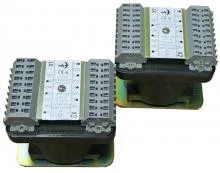
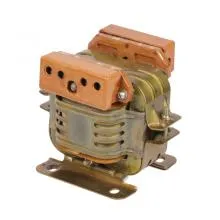
Трансформатор  СТС-7 Т2.
коротко о товаре
  • Марка
    МЭТЗ (Беларусь)
  • Назначение

    Трансформатор силовой - служит для преобразования электрической энергии одного напряжения в энергию другого напряжения. Является основным оборудованием электрических подстанций.

    Трансформатор для прогрева бетона и грунта - предназначен для электропрогрева и других способов электротермообработки смеси и замерзшего грунта с автоматическим регулированием температуры, в условиях строительных площадок. К данным трансформаторам присоединяется нагревательный провод ПНСВ, проложенный внутри бетона, по которому подается электрический ток, преобразующийся в температуру, доходящую до +80 градусов.

    Трансформаторные подстанции - электроустановка, предназначенная для приема, преобразования (повышения или понижения) напряжения в сети переменного тока и распределения электроэнергии. Состоит из силовых трансформаторов, распределительного устройства, устройства автоматического управления и защиты, а также вспомогательных сооружений.

    Трансформаторы тока - предназначен для регулировки тока

    Трансформаторы напряжения - предназначен для регулировки напряжения

    Трансформатор понижающий - многоцелевые трансформаторы небольших габаритов

    Трансформатор разделительный - первичная обмотка отделена от вторичных обмоток при помощи защитного электрического разделения цепей: двойной или усиленной изоляции, или основной изоляции и защитного экрана. Применение такого подключения электроприемника существенно снижает вероятность поражения электрическим током

    Тороидальный трансформатор представляет собой высокоэффективный трансформатор, который легче и меньше, чем альтернативные трансформаторы такой же мощности. Применение тороидальных трансформаторов позволяет уменьшить массу и габариты изделий, повысить КПД, увеличить плотность монтажа

    Назначение
    Трансформатор понижающий многофунциональный
  • СерияСТ, СОБС, СОС, СТС, ОСС
  • Номинальная мощность
    Номинальная мощность трансформатора представляет собой значение полной мощности трансформатора на основном ответвлении, гарантированное заводом-изготовителем в номинальных условиях охлаждающей среды при номинальном напряжении и номинальной частоте.
    Номинальная мощность
    0.0231 кВА
  • все товары МЭТЗ (Беларусь)
цену уточняйте
Как отправить запрос, уточнить цену и получить предложение?
  • 1 Нажмите на кнопку "Отправить запрос"
  • 2 В открывшейся форме укажите контактные данные и отправьте предварительную заявку
  • 3 Поставщик уточнит детали и предоставит предложение на поставку товара
  • 4 Вы можете принять предложение или выбрать другого поставщика
ГК Новые технологии Казань показать телефон
<
>
Безналичный расчет, Банковский перевод подробнее
Транспотрная компания подробнее
Чтобы купить Трансформатор СТС-7 Т2, вам нужно отправить запрос или связаться с поставщиком.
  • Характеристики
  • Поставщики
  • Описание
  • Отзывы (2492)
Характеристики

ВСЕ ХАРАКТЕРИСТИКИ ТОВАРА Трансформатор СТС-7 Т2

Характеристика Значение
Марка
МЭТЗ (Беларусь)
Назначение

Трансформатор силовой - служит для преобразования электрической энергии одного напряжения в энергию другого напряжения. Является основным оборудованием электрических подстанций.

Трансформатор для прогрева бетона и грунта - предназначен для электропрогрева и других способов электротермообработки смеси и замерзшего грунта с автоматическим регулированием температуры, в условиях строительных площадок. К данным трансформаторам присоединяется нагревательный провод ПНСВ, проложенный внутри бетона, по которому подается электрический ток, преобразующийся в температуру, доходящую до +80 градусов.

Трансформаторные подстанции - электроустановка, предназначенная для приема, преобразования (повышения или понижения) напряжения в сети переменного тока и распределения электроэнергии. Состоит из силовых трансформаторов, распределительного устройства, устройства автоматического управления и защиты, а также вспомогательных сооружений.

Трансформаторы тока - предназначен для регулировки тока

Трансформаторы напряжения - предназначен для регулировки напряжения

Трансформатор понижающий - многоцелевые трансформаторы небольших габаритов

Трансформатор разделительный - первичная обмотка отделена от вторичных обмоток при помощи защитного электрического разделения цепей: двойной или усиленной изоляции, или основной изоляции и защитного экрана. Применение такого подключения электроприемника существенно снижает вероятность поражения электрическим током

Тороидальный трансформатор представляет собой высокоэффективный трансформатор, который легче и меньше, чем альтернативные трансформаторы такой же мощности. Применение тороидальных трансформаторов позволяет уменьшить массу и габариты изделий, повысить КПД, увеличить плотность монтажа

Назначение
Трансформатор понижающий многофунциональный
Серия СТ, СОБС, СОС, СТС, ОСС
Номинальная мощность
Номинальная мощность трансформатора представляет собой значение полной мощности трансформатора на основном ответвлении, гарантированное заводом-изготовителем в номинальных условиях охлаждающей среды при номинальном напряжении и номинальной частоте.
Номинальная мощность
0.0231 кВА
Номинальное высшее напряжение

Номинальное напряжение первичной обмотки при холостом ходе трансформатора

Номинальное высшее напряжение
200 В
Номинальное низшее напряжение

Номинальное напряжение вторичной обмотки при холостом ходе трансформатора

Номинальное низшее напряжение
24 В
Количество фаз
В обычных сетях применяются однофазные трансформаторы, в сетях на три провода (фаза, ноль, заземление) нужен трехфазный трансформатор.
Количество фаз
Однофазный
Тип диэлектрика трансформатора
По типу охлаждения устройства делятся на две категории – силовые сухие трансформаторы (с воздушным охлаждением) и силовые масляные трансформаторы
Тип диэлектрика трансформатора
Сухой
Характеристика Значение
Частота 50 Гц
Степень защиты
Маркировка степени защиты оболочки электрооборудования осуществляется при помощи международного знака защиты (IP) и двух цифр, первая из которых означает защиту от попадания твёрдых предметов, вторая — от проникновения воды. IP00 - защита отсутствует. IP65 - пыленепроницаемое, с защитой от водяных струй с любого направления
Степень защиты
IP20
Масса полная
Для трансформатора - полная масса трансформатора, с учетом массы масла. Для КТП - полная масса КТП, без учета массы трансформаторов
Масса полная
0.95 кг
Климатическое исполнение и категория размещения
Климатическое исполнение — как правило, указывается в последней группе знаков обозначений технических устройств. Буквенная часть обозначает климатическую зону. Следующая за буквенной цифровая часть означает категорию размещения.
Климатическое исполнение и категория размещения
Т2
Габариты, длина 91 мм
Габариты, ширина 76 мм
Габариты, высота 92 мм
Гарантия 36 мес.
Поставщики
МЭТЗ показать телефон Россия цену уточняйте
Как отправить запрос, уточнить цену и получить предложение?
  • 1 Нажмите на кнопку "Отправить запрос"
  • 2 В открывшейся форме укажите контактные данные и отправьте предварительную заявку
  • 3 Поставщик уточнит детали и предоставит предложение на поставку товара
  • 4 Вы можете принять предложение или выбрать другого поставщика
Описание
описание

Трансформаторы СТС (сигнальные трансформаторы светодиодных светофоров) предназначены для электропитания светодиодных светофоров микропроцессорных систем железнодорожной автоматики.

Трансформаторы соответствует требованиям СТБ МЭК 61558-2-6 ГОСТ 15963-79.

Вид климатического исполнения – Т2 по ГОСТ 15150-69.

Температура окружающего воздуха от минус 40 С до плюс 70 С.

Номинальные рабочие значения механических внешних воздействующих факторов – ГОСТ 30631-99 для групп механического исполнения М6 при установке в любом рабочем положении.

Трансформаторы предназначены для работы в продолжительном режиме.

Исполнение трансформаторов по условиям установки на месте работы – встраиваемые, стационарные.

В соответствии с требованиями электромагнитной совместимости
трансформаторы могут применяться в окружающей обстановке 1 – среде, характерной для оборудования, устанавливаемого в жилых, коммерческих зданиях или зданиях лёгкой промышленности, предназначенного для непосредственного подключения к низковольтным электрическим сетям общего пользования.

Класс нагревостойкости изоляции – В по ГОСТ 8865-83.

По способу защиты от поражения электрическим током трансформаторы относятся к классу II по ГОСТ 12.2.007.0-75 и имеют степень защиты IP20 по ГОСТ 14254-96.
Корректированный уровень звуковой мощности трансформаторов не должен превышать 20 дБА как при холостом ходе, так и при номинальной нагрузке.

Отзывы (2492)
Трансформатор СТС-7 Т2

New Glenn’s first flight Blue Origin formally announced the development of New Glenn — which aims to outpower SpaceX’s Falcon 9 rockets and haul spacecraft up to 45 metric tons (99,200 pounds) to orbit — in 2016. кракен онион The vehicle is long overdue, as the company previously targeted 2020 for its first launch. Delays, however, are common in the aerospace industry. And the debut flight of a new vehicle is almost always significantly behind schedule. Rocket companies also typically take a conservative approach to the first liftoff, launching dummy payloads such as hunks of metal or, as was the case with SpaceX’s Falcon Heavy debut in 2018, an old cherry red sports car. https://kra26att.cc kraken войти Blue Origin has also branded itself as a company that aims to take a slow, diligent approach to rocket development that doesn’t “cut any corners,” according to Bezos, who founded Blue Origin and funds the company. The company’s mascot is a tortoise, paying homage to “The Tortoise and the Hare” fable that made the “slow and steady wins the race” mantra a childhood staple. “We believe slow is smooth and smooth is fast,” Bezos said in 2016. Those comments could be seen as an attempt to position Blue Origin as the anti-SpaceX, which is known to embrace speed and trial-and-error over slow, meticulous development processes. But SpaceX has certainly won the race to orbit. The company’s first orbital rocket, the Falcon 1, made a successful launch in September 2008. The company has deployed hundreds of missions to orbit since then. And while SpaceX routinely destroys rockets during test flights as it begins developing a new rocket, the company has a solid track record for operational missions. SpaceX’s Falcon 9 rocket, for example, has experienced two in-flight failures and one launchpad explosion but no catastrophic events during human missions.

New Glenn’s first flight Blue Origin formally announced the development of New Glenn — which aims to outpower SpaceX’s Falcon 9 rockets and haul spacecraft up to 45 metric tons (99,200 pounds) to orbit — in 2016. кракен онион The vehicle is long overdue, as the company previously targeted 2020 for its first launch. Delays, however, are common in the aerospace industry. And the debut flight of a new vehicle is almost always significantly behind schedule. Rocket companies also typically take a conservative approach to the first liftoff, launching dummy payloads such as hunks of metal or, as was the case with SpaceX’s Falcon Heavy debut in 2018, an old cherry red sports car. https://kra26att.cc kraken войти Blue Origin has also branded itself as a company that aims to take a slow, diligent approach to rocket development that doesn’t “cut any corners,” according to Bezos, who founded Blue Origin and funds the company. The company’s mascot is a tortoise, paying homage to “The Tortoise and the Hare” fable that made the “slow and steady wins the race” mantra a childhood staple. “We believe slow is smooth and smooth is fast,” Bezos said in 2016. Those comments could be seen as an attempt to position Blue Origin as the anti-SpaceX, which is known to embrace speed and trial-and-error over slow, meticulous development processes. But SpaceX has certainly won the race to orbit. The company’s first orbital rocket, the Falcon 1, made a successful launch in September 2008. The company has deployed hundreds of missions to orbit since then. And while SpaceX routinely destroys rockets during test flights as it begins developing a new rocket, the company has a solid track record for operational missions. SpaceX’s Falcon 9 rocket, for example, has experienced two in-flight failures and one launchpad explosion but no catastrophic events during human missions.

New Glenn’s first flight Blue Origin formally announced the development of New Glenn — which aims to outpower SpaceX’s Falcon 9 rockets and haul spacecraft up to 45 metric tons (99,200 pounds) to orbit — in 2016. кракен онион The vehicle is long overdue, as the company previously targeted 2020 for its first launch. Delays, however, are common in the aerospace industry. And the debut flight of a new vehicle is almost always significantly behind schedule. Rocket companies also typically take a conservative approach to the first liftoff, launching dummy payloads such as hunks of metal or, as was the case with SpaceX’s Falcon Heavy debut in 2018, an old cherry red sports car. https://kra26att.cc kraken войти Blue Origin has also branded itself as a company that aims to take a slow, diligent approach to rocket development that doesn’t “cut any corners,” according to Bezos, who founded Blue Origin and funds the company. The company’s mascot is a tortoise, paying homage to “The Tortoise and the Hare” fable that made the “slow and steady wins the race” mantra a childhood staple. “We believe slow is smooth and smooth is fast,” Bezos said in 2016. Those comments could be seen as an attempt to position Blue Origin as the anti-SpaceX, which is known to embrace speed and trial-and-error over slow, meticulous development processes. But SpaceX has certainly won the race to orbit. The company’s first orbital rocket, the Falcon 1, made a successful launch in September 2008. The company has deployed hundreds of missions to orbit since then. And while SpaceX routinely destroys rockets during test flights as it begins developing a new rocket, the company has a solid track record for operational missions. SpaceX’s Falcon 9 rocket, for example, has experienced two in-flight failures and one launchpad explosion but no catastrophic events during human missions.

Трансформатор СТС-7 Т2

On a long-dormant pad in Florida, a rocket that could challenge SpaceX’s dominance is poised to launch kraken marketplace On a Florida launchpad that has been dormant for almost two decades, a new, roughly 320-foot (98-meter) rocket — developed by Jeff Bezos’ company Blue Origin — is poised for its maiden flight. The uncrewed launch vehicle, called New Glenn, will mark Blue Origin’s first attempt to send a rocket to orbit, a feat necessary if the company hopes to chip away at SpaceX’s long-held dominance in the industry. New Glenn is set to lift off from Cape Canaveral Space Force Station as early as next week. https://kra26s.cc kra cc The rocket, which stands about as tall as a 30-story building, consists of several parts: The first-stage rocket booster gives the initial thrust at liftoff. Atop the booster is an upper rocket stage that includes a cargo bay protected by a nose cone that will house experimental technology for this mission. And, in an attempt to replicate the success that SpaceX has found reusing rocket boosters over the past decade, Blue Origin will also aim to guide New Glenn’s first-stage rocket booster back to a safe landing on a seafaring platform — named Jacklyn for Bezos’ mother — minutes after takeoff. Like SpaceX, Blue Origin will seek to recover, refurbish and reuse first-stage rocket boosters to drive down costs. For this inaugural mission, a smooth flight is not guaranteed. But the eventual success of New Glenn, named after storied NASA astronaut John Glenn, is instrumental to some of Blue Origin’s most ambitious goals. The rocket could one day power national security launches, haul Amazon internet satellites to space and even help in the construction of a space station that Blue Origin is developing with commercial partners.

On a long-dormant pad in Florida, a rocket that could challenge SpaceX’s dominance is poised to launch kraken marketplace On a Florida launchpad that has been dormant for almost two decades, a new, roughly 320-foot (98-meter) rocket — developed by Jeff Bezos’ company Blue Origin — is poised for its maiden flight. The uncrewed launch vehicle, called New Glenn, will mark Blue Origin’s first attempt to send a rocket to orbit, a feat necessary if the company hopes to chip away at SpaceX’s long-held dominance in the industry. New Glenn is set to lift off from Cape Canaveral Space Force Station as early as next week. https://kra26s.cc kra cc The rocket, which stands about as tall as a 30-story building, consists of several parts: The first-stage rocket booster gives the initial thrust at liftoff. Atop the booster is an upper rocket stage that includes a cargo bay protected by a nose cone that will house experimental technology for this mission. And, in an attempt to replicate the success that SpaceX has found reusing rocket boosters over the past decade, Blue Origin will also aim to guide New Glenn’s first-stage rocket booster back to a safe landing on a seafaring platform — named Jacklyn for Bezos’ mother — minutes after takeoff. Like SpaceX, Blue Origin will seek to recover, refurbish and reuse first-stage rocket boosters to drive down costs. For this inaugural mission, a smooth flight is not guaranteed. But the eventual success of New Glenn, named after storied NASA astronaut John Glenn, is instrumental to some of Blue Origin’s most ambitious goals. The rocket could one day power national security launches, haul Amazon internet satellites to space and even help in the construction of a space station that Blue Origin is developing with commercial partners.

On a long-dormant pad in Florida, a rocket that could challenge SpaceX’s dominance is poised to launch kraken marketplace On a Florida launchpad that has been dormant for almost two decades, a new, roughly 320-foot (98-meter) rocket — developed by Jeff Bezos’ company Blue Origin — is poised for its maiden flight. The uncrewed launch vehicle, called New Glenn, will mark Blue Origin’s first attempt to send a rocket to orbit, a feat necessary if the company hopes to chip away at SpaceX’s long-held dominance in the industry. New Glenn is set to lift off from Cape Canaveral Space Force Station as early as next week. https://kra26s.cc kra cc The rocket, which stands about as tall as a 30-story building, consists of several parts: The first-stage rocket booster gives the initial thrust at liftoff. Atop the booster is an upper rocket stage that includes a cargo bay protected by a nose cone that will house experimental technology for this mission. And, in an attempt to replicate the success that SpaceX has found reusing rocket boosters over the past decade, Blue Origin will also aim to guide New Glenn’s first-stage rocket booster back to a safe landing on a seafaring platform — named Jacklyn for Bezos’ mother — minutes after takeoff. Like SpaceX, Blue Origin will seek to recover, refurbish and reuse first-stage rocket boosters to drive down costs. For this inaugural mission, a smooth flight is not guaranteed. But the eventual success of New Glenn, named after storied NASA astronaut John Glenn, is instrumental to some of Blue Origin’s most ambitious goals. The rocket could one day power national security launches, haul Amazon internet satellites to space and even help in the construction of a space station that Blue Origin is developing with commercial partners.

Трансформатор СТС-7 Т2

On a long-dormant pad in Florida, a rocket that could challenge SpaceX’s dominance is poised to launch kraken вход On a Florida launchpad that has been dormant for almost two decades, a new, roughly 320-foot (98-meter) rocket — developed by Jeff Bezos’ company Blue Origin — is poised for its maiden flight. The uncrewed launch vehicle, called New Glenn, will mark Blue Origin’s first attempt to send a rocket to orbit, a feat necessary if the company hopes to chip away at SpaceX’s long-held dominance in the industry. New Glenn is set to lift off from Cape Canaveral Space Force Station as early as next week. https://kra26s.cc kraken tor The rocket, which stands about as tall as a 30-story building, consists of several parts: The first-stage rocket booster gives the initial thrust at liftoff. Atop the booster is an upper rocket stage that includes a cargo bay protected by a nose cone that will house experimental technology for this mission. And, in an attempt to replicate the success that SpaceX has found reusing rocket boosters over the past decade, Blue Origin will also aim to guide New Glenn’s first-stage rocket booster back to a safe landing on a seafaring platform — named Jacklyn for Bezos’ mother — minutes after takeoff. Like SpaceX, Blue Origin will seek to recover, refurbish and reuse first-stage rocket boosters to drive down costs. For this inaugural mission, a smooth flight is not guaranteed. But the eventual success of New Glenn, named after storied NASA astronaut John Glenn, is instrumental to some of Blue Origin’s most ambitious goals. The rocket could one day power national security launches, haul Amazon internet satellites to space and even help in the construction of a space station that Blue Origin is developing with commercial partners.

On a long-dormant pad in Florida, a rocket that could challenge SpaceX’s dominance is poised to launch kraken вход On a Florida launchpad that has been dormant for almost two decades, a new, roughly 320-foot (98-meter) rocket — developed by Jeff Bezos’ company Blue Origin — is poised for its maiden flight. The uncrewed launch vehicle, called New Glenn, will mark Blue Origin’s first attempt to send a rocket to orbit, a feat necessary if the company hopes to chip away at SpaceX’s long-held dominance in the industry. New Glenn is set to lift off from Cape Canaveral Space Force Station as early as next week. https://kra26s.cc kraken tor The rocket, which stands about as tall as a 30-story building, consists of several parts: The first-stage rocket booster gives the initial thrust at liftoff. Atop the booster is an upper rocket stage that includes a cargo bay protected by a nose cone that will house experimental technology for this mission. And, in an attempt to replicate the success that SpaceX has found reusing rocket boosters over the past decade, Blue Origin will also aim to guide New Glenn’s first-stage rocket booster back to a safe landing on a seafaring platform — named Jacklyn for Bezos’ mother — minutes after takeoff. Like SpaceX, Blue Origin will seek to recover, refurbish and reuse first-stage rocket boosters to drive down costs. For this inaugural mission, a smooth flight is not guaranteed. But the eventual success of New Glenn, named after storied NASA astronaut John Glenn, is instrumental to some of Blue Origin’s most ambitious goals. The rocket could one day power national security launches, haul Amazon internet satellites to space and even help in the construction of a space station that Blue Origin is developing with commercial partners.

On a long-dormant pad in Florida, a rocket that could challenge SpaceX’s dominance is poised to launch kraken вход On a Florida launchpad that has been dormant for almost two decades, a new, roughly 320-foot (98-meter) rocket — developed by Jeff Bezos’ company Blue Origin — is poised for its maiden flight. The uncrewed launch vehicle, called New Glenn, will mark Blue Origin’s first attempt to send a rocket to orbit, a feat necessary if the company hopes to chip away at SpaceX’s long-held dominance in the industry. New Glenn is set to lift off from Cape Canaveral Space Force Station as early as next week. https://kra26s.cc kraken tor The rocket, which stands about as tall as a 30-story building, consists of several parts: The first-stage rocket booster gives the initial thrust at liftoff. Atop the booster is an upper rocket stage that includes a cargo bay protected by a nose cone that will house experimental technology for this mission. And, in an attempt to replicate the success that SpaceX has found reusing rocket boosters over the past decade, Blue Origin will also aim to guide New Glenn’s first-stage rocket booster back to a safe landing on a seafaring platform — named Jacklyn for Bezos’ mother — minutes after takeoff. Like SpaceX, Blue Origin will seek to recover, refurbish and reuse first-stage rocket boosters to drive down costs. For this inaugural mission, a smooth flight is not guaranteed. But the eventual success of New Glenn, named after storied NASA astronaut John Glenn, is instrumental to some of Blue Origin’s most ambitious goals. The rocket could one day power national security launches, haul Amazon internet satellites to space and even help in the construction of a space station that Blue Origin is developing with commercial partners.

Трансформатор СТС-7 Т2

The survivors of recent crashes were sitting at the back of the plane. What does that tell us about airplane safety? kraken Look at the photos of the two fatal air crashes of the last two weeks, and amid the horror and the anguish, one thought might come to mind for frequent flyers. The old frequent-flyer adage is that sitting at the back of the plane is a safer place to be than at the front — and the wreckage of both Azerbaijan Airlines flight 8243 and Jeju Air flight 2216 seem to bear that out. https://kra26c.cc Љракен даркнет The 29 survivors of the Azeri crash were all sitting at the back of the plane, which split into two, leaving the rear half largely intact. The sole survivors of the South Korean crash, meanwhile, were the two flight attendants in their jumpseats in the very tail of the plane. So is that old adage — and the dark humor jokes about first and business class seats being good until there’s a problem with the plane — right after all? In 2015, TIME Magazine reporters wrote that they had combed through the records of all US plane crashes with both fatalities and survivors from 1985 to 2000, and found in a meta-analysis that seats in the back third of the aircraft had a 32% fatality rate overall, compared with 38% in the front third and 39% in the middle third. Even better, they found, were middle seats in that back third of the cabin, with a 28% fatality rate. The “worst” seats were aisles in the middle third of the aircraft, with a 44% fatality rate. But does that still hold true in 2024? According to aviation safety experts, it’s an old wives’ tale. “There isn’t any data that shows a correlation of seating to survivability,” says Hassan Shahidi, president of the Flight Safety Foundation. “Every accident is different.” “If we’re talking about a fatal crash, then there is almost no difference where one sits,” says Cheng-Lung Wu, associate professor at the School of Aviation of the University of New South Wales, Sydney. Ed Galea, professor of fire safety engineering at London’s University of Greenwich, who has conducted landmark studies on plane crash evacuations, warns, “There is no magic safest seat.”

The survivors of recent crashes were sitting at the back of the plane. What does that tell us about airplane safety? kraken Look at the photos of the two fatal air crashes of the last two weeks, and amid the horror and the anguish, one thought might come to mind for frequent flyers. The old frequent-flyer adage is that sitting at the back of the plane is a safer place to be than at the front — and the wreckage of both Azerbaijan Airlines flight 8243 and Jeju Air flight 2216 seem to bear that out. https://kra26c.cc Љракен даркнет The 29 survivors of the Azeri crash were all sitting at the back of the plane, which split into two, leaving the rear half largely intact. The sole survivors of the South Korean crash, meanwhile, were the two flight attendants in their jumpseats in the very tail of the plane. So is that old adage — and the dark humor jokes about first and business class seats being good until there’s a problem with the plane — right after all? In 2015, TIME Magazine reporters wrote that they had combed through the records of all US plane crashes with both fatalities and survivors from 1985 to 2000, and found in a meta-analysis that seats in the back third of the aircraft had a 32% fatality rate overall, compared with 38% in the front third and 39% in the middle third. Even better, they found, were middle seats in that back third of the cabin, with a 28% fatality rate. The “worst” seats were aisles in the middle third of the aircraft, with a 44% fatality rate. But does that still hold true in 2024? According to aviation safety experts, it’s an old wives’ tale. “There isn’t any data that shows a correlation of seating to survivability,” says Hassan Shahidi, president of the Flight Safety Foundation. “Every accident is different.” “If we’re talking about a fatal crash, then there is almost no difference where one sits,” says Cheng-Lung Wu, associate professor at the School of Aviation of the University of New South Wales, Sydney. Ed Galea, professor of fire safety engineering at London’s University of Greenwich, who has conducted landmark studies on plane crash evacuations, warns, “There is no magic safest seat.”

The survivors of recent crashes were sitting at the back of the plane. What does that tell us about airplane safety? kraken Look at the photos of the two fatal air crashes of the last two weeks, and amid the horror and the anguish, one thought might come to mind for frequent flyers. The old frequent-flyer adage is that sitting at the back of the plane is a safer place to be than at the front — and the wreckage of both Azerbaijan Airlines flight 8243 and Jeju Air flight 2216 seem to bear that out. https://kra26c.cc Љракен даркнет The 29 survivors of the Azeri crash were all sitting at the back of the plane, which split into two, leaving the rear half largely intact. The sole survivors of the South Korean crash, meanwhile, were the two flight attendants in their jumpseats in the very tail of the plane. So is that old adage — and the dark humor jokes about first and business class seats being good until there’s a problem with the plane — right after all? In 2015, TIME Magazine reporters wrote that they had combed through the records of all US plane crashes with both fatalities and survivors from 1985 to 2000, and found in a meta-analysis that seats in the back third of the aircraft had a 32% fatality rate overall, compared with 38% in the front third and 39% in the middle third. Even better, they found, were middle seats in that back third of the cabin, with a 28% fatality rate. The “worst” seats were aisles in the middle third of the aircraft, with a 44% fatality rate. But does that still hold true in 2024? According to aviation safety experts, it’s an old wives’ tale. “There isn’t any data that shows a correlation of seating to survivability,” says Hassan Shahidi, president of the Flight Safety Foundation. “Every accident is different.” “If we’re talking about a fatal crash, then there is almost no difference where one sits,” says Cheng-Lung Wu, associate professor at the School of Aviation of the University of New South Wales, Sydney. Ed Galea, professor of fire safety engineering at London’s University of Greenwich, who has conducted landmark studies on plane crash evacuations, warns, “There is no magic safest seat.”

Трансформатор СТС-7 Т2

The survivors of recent crashes were sitting at the back of the plane. What does that tell us about airplane safety? кракен Look at the photos of the two fatal air crashes of the last two weeks, and amid the horror and the anguish, one thought might come to mind for frequent flyers. The old frequent-flyer adage is that sitting at the back of the plane is a safer place to be than at the front — and the wreckage of both Azerbaijan Airlines flight 8243 and Jeju Air flight 2216 seem to bear that out. https://kra26c.cc кракен вход The 29 survivors of the Azeri crash were all sitting at the back of the plane, which split into two, leaving the rear half largely intact. The sole survivors of the South Korean crash, meanwhile, were the two flight attendants in their jumpseats in the very tail of the plane. So is that old adage — and the dark humor jokes about first and business class seats being good until there’s a problem with the plane — right after all? In 2015, TIME Magazine reporters wrote that they had combed through the records of all US plane crashes with both fatalities and survivors from 1985 to 2000, and found in a meta-analysis that seats in the back third of the aircraft had a 32% fatality rate overall, compared with 38% in the front third and 39% in the middle third. Even better, they found, were middle seats in that back third of the cabin, with a 28% fatality rate. The “worst” seats were aisles in the middle third of the aircraft, with a 44% fatality rate. But does that still hold true in 2024? According to aviation safety experts, it’s an old wives’ tale. “There isn’t any data that shows a correlation of seating to survivability,” says Hassan Shahidi, president of the Flight Safety Foundation. “Every accident is different.” “If we’re talking about a fatal crash, then there is almost no difference where one sits,” says Cheng-Lung Wu, associate professor at the School of Aviation of the University of New South Wales, Sydney. Ed Galea, professor of fire safety engineering at London’s University of Greenwich, who has conducted landmark studies on plane crash evacuations, warns, “There is no magic safest seat.”

The survivors of recent crashes were sitting at the back of the plane. What does that tell us about airplane safety? кракен Look at the photos of the two fatal air crashes of the last two weeks, and amid the horror and the anguish, one thought might come to mind for frequent flyers. The old frequent-flyer adage is that sitting at the back of the plane is a safer place to be than at the front — and the wreckage of both Azerbaijan Airlines flight 8243 and Jeju Air flight 2216 seem to bear that out. https://kra26c.cc кракен вход The 29 survivors of the Azeri crash were all sitting at the back of the plane, which split into two, leaving the rear half largely intact. The sole survivors of the South Korean crash, meanwhile, were the two flight attendants in their jumpseats in the very tail of the plane. So is that old adage — and the dark humor jokes about first and business class seats being good until there’s a problem with the plane — right after all? In 2015, TIME Magazine reporters wrote that they had combed through the records of all US plane crashes with both fatalities and survivors from 1985 to 2000, and found in a meta-analysis that seats in the back third of the aircraft had a 32% fatality rate overall, compared with 38% in the front third and 39% in the middle third. Even better, they found, were middle seats in that back third of the cabin, with a 28% fatality rate. The “worst” seats were aisles in the middle third of the aircraft, with a 44% fatality rate. But does that still hold true in 2024? According to aviation safety experts, it’s an old wives’ tale. “There isn’t any data that shows a correlation of seating to survivability,” says Hassan Shahidi, president of the Flight Safety Foundation. “Every accident is different.” “If we’re talking about a fatal crash, then there is almost no difference where one sits,” says Cheng-Lung Wu, associate professor at the School of Aviation of the University of New South Wales, Sydney. Ed Galea, professor of fire safety engineering at London’s University of Greenwich, who has conducted landmark studies on plane crash evacuations, warns, “There is no magic safest seat.”

The survivors of recent crashes were sitting at the back of the plane. What does that tell us about airplane safety? кракен Look at the photos of the two fatal air crashes of the last two weeks, and amid the horror and the anguish, one thought might come to mind for frequent flyers. The old frequent-flyer adage is that sitting at the back of the plane is a safer place to be than at the front — and the wreckage of both Azerbaijan Airlines flight 8243 and Jeju Air flight 2216 seem to bear that out. https://kra26c.cc кракен вход The 29 survivors of the Azeri crash were all sitting at the back of the plane, which split into two, leaving the rear half largely intact. The sole survivors of the South Korean crash, meanwhile, were the two flight attendants in their jumpseats in the very tail of the plane. So is that old adage — and the dark humor jokes about first and business class seats being good until there’s a problem with the plane — right after all? In 2015, TIME Magazine reporters wrote that they had combed through the records of all US plane crashes with both fatalities and survivors from 1985 to 2000, and found in a meta-analysis that seats in the back third of the aircraft had a 32% fatality rate overall, compared with 38% in the front third and 39% in the middle third. Even better, they found, were middle seats in that back third of the cabin, with a 28% fatality rate. The “worst” seats were aisles in the middle third of the aircraft, with a 44% fatality rate. But does that still hold true in 2024? According to aviation safety experts, it’s an old wives’ tale. “There isn’t any data that shows a correlation of seating to survivability,” says Hassan Shahidi, president of the Flight Safety Foundation. “Every accident is different.” “If we’re talking about a fatal crash, then there is almost no difference where one sits,” says Cheng-Lung Wu, associate professor at the School of Aviation of the University of New South Wales, Sydney. Ed Galea, professor of fire safety engineering at London’s University of Greenwich, who has conducted landmark studies on plane crash evacuations, warns, “There is no magic safest seat.”

Страницы

Похожие товары:
Трансформатор  СТС-7 Т2
Трансформатор СТС-6 Т2
Трансформатор  СТС-7 Т2
Трансформатор ОСС-0,04
Трансформатор  СТС-7 Т2
Трансформатор ОСС-0,25
Трансформатор  СТС-7 Т2
Трансформатор ОСС-0,16
Трансформатор  СТС-7 Т2
Трансформатор ОСС-0,1
Трансформатор  СТС-7 Т2
Трансформатор ОСС-0,063