Каталог
Сравнение

Сообщение об ошибке

  • Warning: fopen(/mnt/mopra/www/cache/sites_default_cache_form/form_form-Op696oCQzbAVgJ2B3C4wIn4zLxYzN2EfiNZIUb2UX64): failed to open stream: No space left on device в функции DrupalFileCache->set() (строка 341 в файле /mnt/mopra/www/src/sites/all/modules/filecache/filecache.inc).
  • Warning: fopen(/mnt/mopra/www/cache/sites_default_cache_form/form_state_form-Op696oCQzbAVgJ2B3C4wIn4zLxYzN2EfiNZIUb2UX64): failed to open stream: No space left on device в функции DrupalFileCache->set() (строка 341 в файле /mnt/mopra/www/src/sites/all/modules/filecache/filecache.inc).
  • Warning: fopen(/mnt/mopra/www/cache/sites_default_cache_form/form_form-LoGqtl3ZnoiD5nIFnivkMLzTaGdYtFy6nxU0H745Q7o): failed to open stream: No space left on device в функции DrupalFileCache->set() (строка 341 в файле /mnt/mopra/www/src/sites/all/modules/filecache/filecache.inc).
  • Warning: fopen(/mnt/mopra/www/cache/sites_default_cache_form/form_state_form-LoGqtl3ZnoiD5nIFnivkMLzTaGdYtFy6nxU0H745Q7o): failed to open stream: No space left on device в функции DrupalFileCache->set() (строка 341 в файле /mnt/mopra/www/src/sites/all/modules/filecache/filecache.inc).
  • Warning: fopen(/mnt/mopra/www/cache/sites_default_cache_form/form_form-jgY9284hWYXvFvwKvKq-SKjXqQFeL_6wGwCYz8FE1Ao): failed to open stream: No space left on device в функции DrupalFileCache->set() (строка 341 в файле /mnt/mopra/www/src/sites/all/modules/filecache/filecache.inc).
  • Warning: fopen(/mnt/mopra/www/cache/sites_default_cache_form/form_state_form-jgY9284hWYXvFvwKvKq-SKjXqQFeL_6wGwCYz8FE1Ao): failed to open stream: No space left on device в функции DrupalFileCache->set() (строка 341 в файле /mnt/mopra/www/src/sites/all/modules/filecache/filecache.inc).
  • Warning: fopen(/mnt/mopra/www/cache/sites_default_cache_form/form_form-MhoV7YZA9OqflwAPla3AnG6zcEqLfkBBimhXh9Luxus): failed to open stream: No space left on device в функции DrupalFileCache->set() (строка 341 в файле /mnt/mopra/www/src/sites/all/modules/filecache/filecache.inc).
  • Warning: fopen(/mnt/mopra/www/cache/sites_default_cache_form/form_state_form-MhoV7YZA9OqflwAPla3AnG6zcEqLfkBBimhXh9Luxus): failed to open stream: No space left on device в функции DrupalFileCache->set() (строка 341 в файле /mnt/mopra/www/src/sites/all/modules/filecache/filecache.inc).
  • Warning: fopen(/mnt/mopra/www/cache/sites_default_cache_form/form_form-oqKIlYLjO76wOyqLi2NmQ3GxFGPJsGdTUZ908EiNJh0): failed to open stream: No space left on device в функции DrupalFileCache->set() (строка 341 в файле /mnt/mopra/www/src/sites/all/modules/filecache/filecache.inc).
  • Warning: fopen(/mnt/mopra/www/cache/sites_default_cache_form/form_state_form-oqKIlYLjO76wOyqLi2NmQ3GxFGPJsGdTUZ908EiNJh0): failed to open stream: No space left on device в функции DrupalFileCache->set() (строка 341 в файле /mnt/mopra/www/src/sites/all/modules/filecache/filecache.inc).

Вы здесь

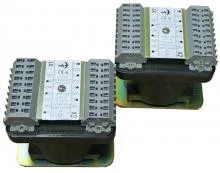
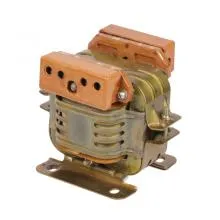
Трансформатор  СТС-7 Т2.
коротко о товаре
  • Марка
    МЭТЗ (Беларусь)
  • Назначение

    Трансформатор силовой - служит для преобразования электрической энергии одного напряжения в энергию другого напряжения. Является основным оборудованием электрических подстанций.

    Трансформатор для прогрева бетона и грунта - предназначен для электропрогрева и других способов электротермообработки смеси и замерзшего грунта с автоматическим регулированием температуры, в условиях строительных площадок. К данным трансформаторам присоединяется нагревательный провод ПНСВ, проложенный внутри бетона, по которому подается электрический ток, преобразующийся в температуру, доходящую до +80 градусов.

    Трансформаторные подстанции - электроустановка, предназначенная для приема, преобразования (повышения или понижения) напряжения в сети переменного тока и распределения электроэнергии. Состоит из силовых трансформаторов, распределительного устройства, устройства автоматического управления и защиты, а также вспомогательных сооружений.

    Трансформаторы тока - предназначен для регулировки тока

    Трансформаторы напряжения - предназначен для регулировки напряжения

    Трансформатор понижающий - многоцелевые трансформаторы небольших габаритов

    Трансформатор разделительный - первичная обмотка отделена от вторичных обмоток при помощи защитного электрического разделения цепей: двойной или усиленной изоляции, или основной изоляции и защитного экрана. Применение такого подключения электроприемника существенно снижает вероятность поражения электрическим током

    Тороидальный трансформатор представляет собой высокоэффективный трансформатор, который легче и меньше, чем альтернативные трансформаторы такой же мощности. Применение тороидальных трансформаторов позволяет уменьшить массу и габариты изделий, повысить КПД, увеличить плотность монтажа

    Назначение
    Трансформатор понижающий многофунциональный
  • СерияСТ, СОБС, СОС, СТС, ОСС
  • Номинальная мощность
    Номинальная мощность трансформатора представляет собой значение полной мощности трансформатора на основном ответвлении, гарантированное заводом-изготовителем в номинальных условиях охлаждающей среды при номинальном напряжении и номинальной частоте.
    Номинальная мощность
    0.0231 кВА
  • все товары МЭТЗ (Беларусь)
цену уточняйте
Как отправить запрос, уточнить цену и получить предложение?
  • 1 Нажмите на кнопку "Отправить запрос"
  • 2 В открывшейся форме укажите контактные данные и отправьте предварительную заявку
  • 3 Поставщик уточнит детали и предоставит предложение на поставку товара
  • 4 Вы можете принять предложение или выбрать другого поставщика
ГК Новые технологии Казань показать телефон
<
>
Безналичный расчет, Банковский перевод подробнее
Транспотрная компания подробнее
Чтобы купить Трансформатор СТС-7 Т2, вам нужно отправить запрос или связаться с поставщиком.
  • Характеристики
  • Поставщики
  • Описание
  • Отзывы (2491)
Характеристики

ВСЕ ХАРАКТЕРИСТИКИ ТОВАРА Трансформатор СТС-7 Т2

Характеристика Значение
Марка
МЭТЗ (Беларусь)
Назначение

Трансформатор силовой - служит для преобразования электрической энергии одного напряжения в энергию другого напряжения. Является основным оборудованием электрических подстанций.

Трансформатор для прогрева бетона и грунта - предназначен для электропрогрева и других способов электротермообработки смеси и замерзшего грунта с автоматическим регулированием температуры, в условиях строительных площадок. К данным трансформаторам присоединяется нагревательный провод ПНСВ, проложенный внутри бетона, по которому подается электрический ток, преобразующийся в температуру, доходящую до +80 градусов.

Трансформаторные подстанции - электроустановка, предназначенная для приема, преобразования (повышения или понижения) напряжения в сети переменного тока и распределения электроэнергии. Состоит из силовых трансформаторов, распределительного устройства, устройства автоматического управления и защиты, а также вспомогательных сооружений.

Трансформаторы тока - предназначен для регулировки тока

Трансформаторы напряжения - предназначен для регулировки напряжения

Трансформатор понижающий - многоцелевые трансформаторы небольших габаритов

Трансформатор разделительный - первичная обмотка отделена от вторичных обмоток при помощи защитного электрического разделения цепей: двойной или усиленной изоляции, или основной изоляции и защитного экрана. Применение такого подключения электроприемника существенно снижает вероятность поражения электрическим током

Тороидальный трансформатор представляет собой высокоэффективный трансформатор, который легче и меньше, чем альтернативные трансформаторы такой же мощности. Применение тороидальных трансформаторов позволяет уменьшить массу и габариты изделий, повысить КПД, увеличить плотность монтажа

Назначение
Трансформатор понижающий многофунциональный
Серия СТ, СОБС, СОС, СТС, ОСС
Номинальная мощность
Номинальная мощность трансформатора представляет собой значение полной мощности трансформатора на основном ответвлении, гарантированное заводом-изготовителем в номинальных условиях охлаждающей среды при номинальном напряжении и номинальной частоте.
Номинальная мощность
0.0231 кВА
Номинальное высшее напряжение

Номинальное напряжение первичной обмотки при холостом ходе трансформатора

Номинальное высшее напряжение
200 В
Номинальное низшее напряжение

Номинальное напряжение вторичной обмотки при холостом ходе трансформатора

Номинальное низшее напряжение
24 В
Количество фаз
В обычных сетях применяются однофазные трансформаторы, в сетях на три провода (фаза, ноль, заземление) нужен трехфазный трансформатор.
Количество фаз
Однофазный
Тип диэлектрика трансформатора
По типу охлаждения устройства делятся на две категории – силовые сухие трансформаторы (с воздушным охлаждением) и силовые масляные трансформаторы
Тип диэлектрика трансформатора
Сухой
Характеристика Значение
Частота 50 Гц
Степень защиты
Маркировка степени защиты оболочки электрооборудования осуществляется при помощи международного знака защиты (IP) и двух цифр, первая из которых означает защиту от попадания твёрдых предметов, вторая — от проникновения воды. IP00 - защита отсутствует. IP65 - пыленепроницаемое, с защитой от водяных струй с любого направления
Степень защиты
IP20
Масса полная
Для трансформатора - полная масса трансформатора, с учетом массы масла. Для КТП - полная масса КТП, без учета массы трансформаторов
Масса полная
0.95 кг
Климатическое исполнение и категория размещения
Климатическое исполнение — как правило, указывается в последней группе знаков обозначений технических устройств. Буквенная часть обозначает климатическую зону. Следующая за буквенной цифровая часть означает категорию размещения.
Климатическое исполнение и категория размещения
Т2
Габариты, длина 91 мм
Габариты, ширина 76 мм
Габариты, высота 92 мм
Гарантия 36 мес.
Поставщики
МЭТЗ показать телефон Россия цену уточняйте
Как отправить запрос, уточнить цену и получить предложение?
  • 1 Нажмите на кнопку "Отправить запрос"
  • 2 В открывшейся форме укажите контактные данные и отправьте предварительную заявку
  • 3 Поставщик уточнит детали и предоставит предложение на поставку товара
  • 4 Вы можете принять предложение или выбрать другого поставщика
Описание
описание

Трансформаторы СТС (сигнальные трансформаторы светодиодных светофоров) предназначены для электропитания светодиодных светофоров микропроцессорных систем железнодорожной автоматики.

Трансформаторы соответствует требованиям СТБ МЭК 61558-2-6 ГОСТ 15963-79.

Вид климатического исполнения – Т2 по ГОСТ 15150-69.

Температура окружающего воздуха от минус 40 С до плюс 70 С.

Номинальные рабочие значения механических внешних воздействующих факторов – ГОСТ 30631-99 для групп механического исполнения М6 при установке в любом рабочем положении.

Трансформаторы предназначены для работы в продолжительном режиме.

Исполнение трансформаторов по условиям установки на месте работы – встраиваемые, стационарные.

В соответствии с требованиями электромагнитной совместимости
трансформаторы могут применяться в окружающей обстановке 1 – среде, характерной для оборудования, устанавливаемого в жилых, коммерческих зданиях или зданиях лёгкой промышленности, предназначенного для непосредственного подключения к низковольтным электрическим сетям общего пользования.

Класс нагревостойкости изоляции – В по ГОСТ 8865-83.

По способу защиты от поражения электрическим током трансформаторы относятся к классу II по ГОСТ 12.2.007.0-75 и имеют степень защиты IP20 по ГОСТ 14254-96.
Корректированный уровень звуковой мощности трансформаторов не должен превышать 20 дБА как при холостом ходе, так и при номинальной нагрузке.

Отзывы (2491)
Трансформатор СТС-7 Т2

Unity and BrightBuilt factory-built homes share an important feature: They are airtight, part of what makes them 60% more efficient than a standard home. GO Logic says its homes are even more efficient, requiring very little energy to keep cool or warm. kraken тор “Everybody wants to be able to build a house that’s going to take less to heat and cool,” said Unity director Mark Hertzler. Home efficiency has other indirect benefits. The insulation and airtightness – aided by heat pumps and air exchangers – helps manage the movement of heat, air and moisture, which keeps fresh air circulating and mold growth at bay, according to Hertzler. https://kra34g.cc кракен ссылка Buntel, a spring allergy sufferer, said his Somerville home’s air exchange has made a noticeable difference in the amount of pollen in the house. And customers have remarked on how quiet their homes are, due to their insulation. “I’m from New England, so I’ve always lived in drafty, uncomfortable, older houses,” Buntel said. “This is really amazing to me, how consistent it is throughout the year.” Some panelized home customers are choosing to build not just to reduce their carbon footprint, but because of the looming threat of a warming planet, and the stronger storms it brings. Burton DeWilde, a Unity homeowner based in Vermont, wanted to build a home that could withstand increasing climate impacts like severe flooding. “I think of myself as a preemptive climate refugee, which is maybe a loaded term, but I wasn’t willing to wait around for disaster to strike,” he told CNN. Sustainability is one of Unity’s founding principles, and the company builds houses with the goal of being all-electric. “We’re trying to eliminate fossil fuels and the need for fossil fuels,” Hertzler said. Goodson may drill oil by day, but the only fossil fuel he uses at home is diesel to power the house battery if the sun doesn’t shine for days. Goodson estimated he burned just 30 gallons of diesel last winter – hundreds of gallons less than Maine homeowners who burn oil to stay warm. “We have no power bill, no fuel bill, all the things that you would have in an on-grid house,” he said. “We pay for internet, and we pay property taxes, and that’s it.”

Unity and BrightBuilt factory-built homes share an important feature: They are airtight, part of what makes them 60% more efficient than a standard home. GO Logic says its homes are even more efficient, requiring very little energy to keep cool or warm. kraken тор “Everybody wants to be able to build a house that’s going to take less to heat and cool,” said Unity director Mark Hertzler. Home efficiency has other indirect benefits. The insulation and airtightness – aided by heat pumps and air exchangers – helps manage the movement of heat, air and moisture, which keeps fresh air circulating and mold growth at bay, according to Hertzler. https://kra34g.cc кракен ссылка Buntel, a spring allergy sufferer, said his Somerville home’s air exchange has made a noticeable difference in the amount of pollen in the house. And customers have remarked on how quiet their homes are, due to their insulation. “I’m from New England, so I’ve always lived in drafty, uncomfortable, older houses,” Buntel said. “This is really amazing to me, how consistent it is throughout the year.” Some panelized home customers are choosing to build not just to reduce their carbon footprint, but because of the looming threat of a warming planet, and the stronger storms it brings. Burton DeWilde, a Unity homeowner based in Vermont, wanted to build a home that could withstand increasing climate impacts like severe flooding. “I think of myself as a preemptive climate refugee, which is maybe a loaded term, but I wasn’t willing to wait around for disaster to strike,” he told CNN. Sustainability is one of Unity’s founding principles, and the company builds houses with the goal of being all-electric. “We’re trying to eliminate fossil fuels and the need for fossil fuels,” Hertzler said. Goodson may drill oil by day, but the only fossil fuel he uses at home is diesel to power the house battery if the sun doesn’t shine for days. Goodson estimated he burned just 30 gallons of diesel last winter – hundreds of gallons less than Maine homeowners who burn oil to stay warm. “We have no power bill, no fuel bill, all the things that you would have in an on-grid house,” he said. “We pay for internet, and we pay property taxes, and that’s it.”

Unity and BrightBuilt factory-built homes share an important feature: They are airtight, part of what makes them 60% more efficient than a standard home. GO Logic says its homes are even more efficient, requiring very little energy to keep cool or warm. kraken тор “Everybody wants to be able to build a house that’s going to take less to heat and cool,” said Unity director Mark Hertzler. Home efficiency has other indirect benefits. The insulation and airtightness – aided by heat pumps and air exchangers – helps manage the movement of heat, air and moisture, which keeps fresh air circulating and mold growth at bay, according to Hertzler. https://kra34g.cc кракен ссылка Buntel, a spring allergy sufferer, said his Somerville home’s air exchange has made a noticeable difference in the amount of pollen in the house. And customers have remarked on how quiet their homes are, due to their insulation. “I’m from New England, so I’ve always lived in drafty, uncomfortable, older houses,” Buntel said. “This is really amazing to me, how consistent it is throughout the year.” Some panelized home customers are choosing to build not just to reduce their carbon footprint, but because of the looming threat of a warming planet, and the stronger storms it brings. Burton DeWilde, a Unity homeowner based in Vermont, wanted to build a home that could withstand increasing climate impacts like severe flooding. “I think of myself as a preemptive climate refugee, which is maybe a loaded term, but I wasn’t willing to wait around for disaster to strike,” he told CNN. Sustainability is one of Unity’s founding principles, and the company builds houses with the goal of being all-electric. “We’re trying to eliminate fossil fuels and the need for fossil fuels,” Hertzler said. Goodson may drill oil by day, but the only fossil fuel he uses at home is diesel to power the house battery if the sun doesn’t shine for days. Goodson estimated he burned just 30 gallons of diesel last winter – hundreds of gallons less than Maine homeowners who burn oil to stay warm. “We have no power bill, no fuel bill, all the things that you would have in an on-grid house,” he said. “We pay for internet, and we pay property taxes, and that’s it.”

Трансформатор СТС-7 Т2

Today was supposed to be the day that President Donald Trump’s so-called “reciprocal” tariffs on dozens of countries kicked in after a three-month delay, absent trade deals. But their introduction has been postponed, again. The new, August 1 deadline prolongs uncertainty for businesses but also gives America’s trading partners more time to strike trade deals with the United States, avoiding the hefty levies. kraken тор Mainstream economists would probably cheer that outcome. Most have long disliked tariffs and can point to research showing they harm the countries that impose them, including the workers and consumers in those economies. And although they also recognize the problems free trade can create, high tariffs are rarely seen as the solution. https://kra34g.cc kraken onion Trump’s tariffs so far have not meaningfully boosted US inflation, slowed the economy or hurt jobs growth. Inflation is “the dog that didn’t bark,” Treasury Secretary Scott Bessent likes to say. But economists argue inflation and jobs will have a delayed reaction to tariffs that could start to get ugly toward the end of the year, and that the current calm before the impending storm has provided the administration with a false sense of security. “The positives (of free trade) outweigh the negatives, even in rich countries,” Antonio Fatas, an economics professor at business school INSEAD, told CNN. “I think in the US, the country has benefited from being open, Europe has benefited from being open.” Consumers lose out Tariffs are taxes on imports and their most direct typical effect is to drive up costs for producers and prices for consumers. Around half of all US imports are purchases of so-called intermediate products, needed to make finished American goods, according to data from the Organisation for Economic Co-operation and Development. “If you look at a Boeing aircraft, or an automobile manufactured in the US or Canada… it’s really internationally sourced,” Doug Irwin, an economics professor at Dartmouth College, said on the EconTalk podcast in May. And when American businesses have to pay more for imported components, it raises their costs, he added. Likewise, tariffs raise the cost of finished foreign goods for their American importers. “Then they have to pass that on to consumers in most instances, because they don’t have deep pockets where they can just absorb a 10 or 20 or 30% tariff,” Irwin said.

Today was supposed to be the day that President Donald Trump’s so-called “reciprocal” tariffs on dozens of countries kicked in after a three-month delay, absent trade deals. But their introduction has been postponed, again. The new, August 1 deadline prolongs uncertainty for businesses but also gives America’s trading partners more time to strike trade deals with the United States, avoiding the hefty levies. kraken тор Mainstream economists would probably cheer that outcome. Most have long disliked tariffs and can point to research showing they harm the countries that impose them, including the workers and consumers in those economies. And although they also recognize the problems free trade can create, high tariffs are rarely seen as the solution. https://kra34g.cc kraken onion Trump’s tariffs so far have not meaningfully boosted US inflation, slowed the economy or hurt jobs growth. Inflation is “the dog that didn’t bark,” Treasury Secretary Scott Bessent likes to say. But economists argue inflation and jobs will have a delayed reaction to tariffs that could start to get ugly toward the end of the year, and that the current calm before the impending storm has provided the administration with a false sense of security. “The positives (of free trade) outweigh the negatives, even in rich countries,” Antonio Fatas, an economics professor at business school INSEAD, told CNN. “I think in the US, the country has benefited from being open, Europe has benefited from being open.” Consumers lose out Tariffs are taxes on imports and their most direct typical effect is to drive up costs for producers and prices for consumers. Around half of all US imports are purchases of so-called intermediate products, needed to make finished American goods, according to data from the Organisation for Economic Co-operation and Development. “If you look at a Boeing aircraft, or an automobile manufactured in the US or Canada… it’s really internationally sourced,” Doug Irwin, an economics professor at Dartmouth College, said on the EconTalk podcast in May. And when American businesses have to pay more for imported components, it raises their costs, he added. Likewise, tariffs raise the cost of finished foreign goods for their American importers. “Then they have to pass that on to consumers in most instances, because they don’t have deep pockets where they can just absorb a 10 or 20 or 30% tariff,” Irwin said.

Today was supposed to be the day that President Donald Trump’s so-called “reciprocal” tariffs on dozens of countries kicked in after a three-month delay, absent trade deals. But their introduction has been postponed, again. The new, August 1 deadline prolongs uncertainty for businesses but also gives America’s trading partners more time to strike trade deals with the United States, avoiding the hefty levies. kraken тор Mainstream economists would probably cheer that outcome. Most have long disliked tariffs and can point to research showing they harm the countries that impose them, including the workers and consumers in those economies. And although they also recognize the problems free trade can create, high tariffs are rarely seen as the solution. https://kra34g.cc kraken onion Trump’s tariffs so far have not meaningfully boosted US inflation, slowed the economy or hurt jobs growth. Inflation is “the dog that didn’t bark,” Treasury Secretary Scott Bessent likes to say. But economists argue inflation and jobs will have a delayed reaction to tariffs that could start to get ugly toward the end of the year, and that the current calm before the impending storm has provided the administration with a false sense of security. “The positives (of free trade) outweigh the negatives, even in rich countries,” Antonio Fatas, an economics professor at business school INSEAD, told CNN. “I think in the US, the country has benefited from being open, Europe has benefited from being open.” Consumers lose out Tariffs are taxes on imports and their most direct typical effect is to drive up costs for producers and prices for consumers. Around half of all US imports are purchases of so-called intermediate products, needed to make finished American goods, according to data from the Organisation for Economic Co-operation and Development. “If you look at a Boeing aircraft, or an automobile manufactured in the US or Canada… it’s really internationally sourced,” Doug Irwin, an economics professor at Dartmouth College, said on the EconTalk podcast in May. And when American businesses have to pay more for imported components, it raises their costs, he added. Likewise, tariffs raise the cost of finished foreign goods for their American importers. “Then they have to pass that on to consumers in most instances, because they don’t have deep pockets where they can just absorb a 10 or 20 or 30% tariff,” Irwin said.

Трансформатор СТС-7 Т2

The bow of a US Navy cruiser damaged in a World War II battle in the Pacific has shone new light on one of the most remarkable stories in the service’s history. More than 80 years ago, the crew of the USS New Orleans, having been hit by a Japanese torpedo and losing scores of sailors, performed hasty repairs with coconut logs, before a 1,800-mile voyage across the Pacific in reverse. The front of the ship, or the bow, had sunk to the sea floor. But over the weekend, the Nautilus Live expedition from the Ocean Exploration Trust located it in 675 meters (2,214 feet) of water in Iron Bottom Sound in the Solomon Islands. кракен Using remotely operated underwater vehicles, scientists and historians observed “details in the ship’s structure, painting, and anchor to positively identify the wreckage as New Orleans,” the expedition’s website said. On November 30, 1942, New Orleans was struck on its portside bow during the Battle of Tassafaronga, off Guadalcanal island, according to an official Navy report of the incident. https://kra34g.cc Кракен тор The torpedo’s explosion ignited ammunition in the New Orleans’ forward ammunition magazine, severing the first 20% of the 588-foot warship and killing more than 180 of its 900 crew members, records state. The crew worked to close off bulkheads to prevent flooding in the rest of the ship, and it limped into the harbor on the island of Tulagi, where sailors went into the jungle to get repair supplies. “Camouflaging their ship from air attack, the crew jury-rigged a bow of coconut logs,” a US Navy account states. With that makeshift bow, the ship steamed – in reverse – some 1,800 miles across the Pacific to Australia for sturdier repairs, according to an account from the National World War II Museum in Louisiana. Retired US Navy Capt. Carl Schuster described to CNN the remarkable skill involved in sailing a warship backwards for that extended distance. “‘Difficult’ does not adequately describe the challenge,” Schuster said. While a ship’s bow is designed to cut through waves, the stern is not, meaning wave action lifts and drops the stern with each trough, he said. When the stern rises, rudders lose bite in the water, making steering more difficult, Schuster said. And losing the front portion of the ship changes the ship’s center of maneuverability, or its “pivot point,” he said. “That affects how the ship responds to sea and wind effects and changes the ship’s response to rudder and propellor actions,” he said. The New Orleans’ officers would have had to learn – on the go – a whole new set of actions and commands to keep it stable and moving in the right direction, he said. The ingenuity and adaptiveness that saved the New Orleans at the Battle of Tassafaronga enabled it to be a force later in the war.

The bow of a US Navy cruiser damaged in a World War II battle in the Pacific has shone new light on one of the most remarkable stories in the service’s history. More than 80 years ago, the crew of the USS New Orleans, having been hit by a Japanese torpedo and losing scores of sailors, performed hasty repairs with coconut logs, before a 1,800-mile voyage across the Pacific in reverse. The front of the ship, or the bow, had sunk to the sea floor. But over the weekend, the Nautilus Live expedition from the Ocean Exploration Trust located it in 675 meters (2,214 feet) of water in Iron Bottom Sound in the Solomon Islands. кракен Using remotely operated underwater vehicles, scientists and historians observed “details in the ship’s structure, painting, and anchor to positively identify the wreckage as New Orleans,” the expedition’s website said. On November 30, 1942, New Orleans was struck on its portside bow during the Battle of Tassafaronga, off Guadalcanal island, according to an official Navy report of the incident. https://kra34g.cc Кракен тор The torpedo’s explosion ignited ammunition in the New Orleans’ forward ammunition magazine, severing the first 20% of the 588-foot warship and killing more than 180 of its 900 crew members, records state. The crew worked to close off bulkheads to prevent flooding in the rest of the ship, and it limped into the harbor on the island of Tulagi, where sailors went into the jungle to get repair supplies. “Camouflaging their ship from air attack, the crew jury-rigged a bow of coconut logs,” a US Navy account states. With that makeshift bow, the ship steamed – in reverse – some 1,800 miles across the Pacific to Australia for sturdier repairs, according to an account from the National World War II Museum in Louisiana. Retired US Navy Capt. Carl Schuster described to CNN the remarkable skill involved in sailing a warship backwards for that extended distance. “‘Difficult’ does not adequately describe the challenge,” Schuster said. While a ship’s bow is designed to cut through waves, the stern is not, meaning wave action lifts and drops the stern with each trough, he said. When the stern rises, rudders lose bite in the water, making steering more difficult, Schuster said. And losing the front portion of the ship changes the ship’s center of maneuverability, or its “pivot point,” he said. “That affects how the ship responds to sea and wind effects and changes the ship’s response to rudder and propellor actions,” he said. The New Orleans’ officers would have had to learn – on the go – a whole new set of actions and commands to keep it stable and moving in the right direction, he said. The ingenuity and adaptiveness that saved the New Orleans at the Battle of Tassafaronga enabled it to be a force later in the war.

The bow of a US Navy cruiser damaged in a World War II battle in the Pacific has shone new light on one of the most remarkable stories in the service’s history. More than 80 years ago, the crew of the USS New Orleans, having been hit by a Japanese torpedo and losing scores of sailors, performed hasty repairs with coconut logs, before a 1,800-mile voyage across the Pacific in reverse. The front of the ship, or the bow, had sunk to the sea floor. But over the weekend, the Nautilus Live expedition from the Ocean Exploration Trust located it in 675 meters (2,214 feet) of water in Iron Bottom Sound in the Solomon Islands. кракен Using remotely operated underwater vehicles, scientists and historians observed “details in the ship’s structure, painting, and anchor to positively identify the wreckage as New Orleans,” the expedition’s website said. On November 30, 1942, New Orleans was struck on its portside bow during the Battle of Tassafaronga, off Guadalcanal island, according to an official Navy report of the incident. https://kra34g.cc Кракен тор The torpedo’s explosion ignited ammunition in the New Orleans’ forward ammunition magazine, severing the first 20% of the 588-foot warship and killing more than 180 of its 900 crew members, records state. The crew worked to close off bulkheads to prevent flooding in the rest of the ship, and it limped into the harbor on the island of Tulagi, where sailors went into the jungle to get repair supplies. “Camouflaging their ship from air attack, the crew jury-rigged a bow of coconut logs,” a US Navy account states. With that makeshift bow, the ship steamed – in reverse – some 1,800 miles across the Pacific to Australia for sturdier repairs, according to an account from the National World War II Museum in Louisiana. Retired US Navy Capt. Carl Schuster described to CNN the remarkable skill involved in sailing a warship backwards for that extended distance. “‘Difficult’ does not adequately describe the challenge,” Schuster said. While a ship’s bow is designed to cut through waves, the stern is not, meaning wave action lifts and drops the stern with each trough, he said. When the stern rises, rudders lose bite in the water, making steering more difficult, Schuster said. And losing the front portion of the ship changes the ship’s center of maneuverability, or its “pivot point,” he said. “That affects how the ship responds to sea and wind effects and changes the ship’s response to rudder and propellor actions,” he said. The New Orleans’ officers would have had to learn – on the go – a whole new set of actions and commands to keep it stable and moving in the right direction, he said. The ingenuity and adaptiveness that saved the New Orleans at the Battle of Tassafaronga enabled it to be a force later in the war.

Трансформатор СТС-7 Т2

Today was supposed to be the day that President Donald Trump’s so-called “reciprocal” tariffs on dozens of countries kicked in after a three-month delay, absent trade deals. But their introduction has been postponed, again. The new, August 1 deadline prolongs uncertainty for businesses but also gives America’s trading partners more time to strike trade deals with the United States, avoiding the hefty levies. kraken ссылка Mainstream economists would probably cheer that outcome. Most have long disliked tariffs and can point to research showing they harm the countries that impose them, including the workers and consumers in those economies. And although they also recognize the problems free trade can create, high tariffs are rarely seen as the solution. https://kra34g.cc kraken ссылка Trump’s tariffs so far have not meaningfully boosted US inflation, slowed the economy or hurt jobs growth. Inflation is “the dog that didn’t bark,” Treasury Secretary Scott Bessent likes to say. But economists argue inflation and jobs will have a delayed reaction to tariffs that could start to get ugly toward the end of the year, and that the current calm before the impending storm has provided the administration with a false sense of security. “The positives (of free trade) outweigh the negatives, even in rich countries,” Antonio Fatas, an economics professor at business school INSEAD, told CNN. “I think in the US, the country has benefited from being open, Europe has benefited from being open.” Consumers lose out Tariffs are taxes on imports and their most direct typical effect is to drive up costs for producers and prices for consumers. Around half of all US imports are purchases of so-called intermediate products, needed to make finished American goods, according to data from the Organisation for Economic Co-operation and Development. “If you look at a Boeing aircraft, or an automobile manufactured in the US or Canada… it’s really internationally sourced,” Doug Irwin, an economics professor at Dartmouth College, said on the EconTalk podcast in May. And when American businesses have to pay more for imported components, it raises their costs, he added. Likewise, tariffs raise the cost of finished foreign goods for their American importers. “Then they have to pass that on to consumers in most instances, because they don’t have deep pockets where they can just absorb a 10 or 20 or 30% tariff,” Irwin said.

Today was supposed to be the day that President Donald Trump’s so-called “reciprocal” tariffs on dozens of countries kicked in after a three-month delay, absent trade deals. But their introduction has been postponed, again. The new, August 1 deadline prolongs uncertainty for businesses but also gives America’s trading partners more time to strike trade deals with the United States, avoiding the hefty levies. kraken ссылка Mainstream economists would probably cheer that outcome. Most have long disliked tariffs and can point to research showing they harm the countries that impose them, including the workers and consumers in those economies. And although they also recognize the problems free trade can create, high tariffs are rarely seen as the solution. https://kra34g.cc kraken ссылка Trump’s tariffs so far have not meaningfully boosted US inflation, slowed the economy or hurt jobs growth. Inflation is “the dog that didn’t bark,” Treasury Secretary Scott Bessent likes to say. But economists argue inflation and jobs will have a delayed reaction to tariffs that could start to get ugly toward the end of the year, and that the current calm before the impending storm has provided the administration with a false sense of security. “The positives (of free trade) outweigh the negatives, even in rich countries,” Antonio Fatas, an economics professor at business school INSEAD, told CNN. “I think in the US, the country has benefited from being open, Europe has benefited from being open.” Consumers lose out Tariffs are taxes on imports and their most direct typical effect is to drive up costs for producers and prices for consumers. Around half of all US imports are purchases of so-called intermediate products, needed to make finished American goods, according to data from the Organisation for Economic Co-operation and Development. “If you look at a Boeing aircraft, or an automobile manufactured in the US or Canada… it’s really internationally sourced,” Doug Irwin, an economics professor at Dartmouth College, said on the EconTalk podcast in May. And when American businesses have to pay more for imported components, it raises their costs, he added. Likewise, tariffs raise the cost of finished foreign goods for their American importers. “Then they have to pass that on to consumers in most instances, because they don’t have deep pockets where they can just absorb a 10 or 20 or 30% tariff,” Irwin said.

Today was supposed to be the day that President Donald Trump’s so-called “reciprocal” tariffs on dozens of countries kicked in after a three-month delay, absent trade deals. But their introduction has been postponed, again. The new, August 1 deadline prolongs uncertainty for businesses but also gives America’s trading partners more time to strike trade deals with the United States, avoiding the hefty levies. kraken ссылка Mainstream economists would probably cheer that outcome. Most have long disliked tariffs and can point to research showing they harm the countries that impose them, including the workers and consumers in those economies. And although they also recognize the problems free trade can create, high tariffs are rarely seen as the solution. https://kra34g.cc kraken ссылка Trump’s tariffs so far have not meaningfully boosted US inflation, slowed the economy or hurt jobs growth. Inflation is “the dog that didn’t bark,” Treasury Secretary Scott Bessent likes to say. But economists argue inflation and jobs will have a delayed reaction to tariffs that could start to get ugly toward the end of the year, and that the current calm before the impending storm has provided the administration with a false sense of security. “The positives (of free trade) outweigh the negatives, even in rich countries,” Antonio Fatas, an economics professor at business school INSEAD, told CNN. “I think in the US, the country has benefited from being open, Europe has benefited from being open.” Consumers lose out Tariffs are taxes on imports and their most direct typical effect is to drive up costs for producers and prices for consumers. Around half of all US imports are purchases of so-called intermediate products, needed to make finished American goods, according to data from the Organisation for Economic Co-operation and Development. “If you look at a Boeing aircraft, or an automobile manufactured in the US or Canada… it’s really internationally sourced,” Doug Irwin, an economics professor at Dartmouth College, said on the EconTalk podcast in May. And when American businesses have to pay more for imported components, it raises their costs, he added. Likewise, tariffs raise the cost of finished foreign goods for their American importers. “Then they have to pass that on to consumers in most instances, because they don’t have deep pockets where they can just absorb a 10 or 20 or 30% tariff,” Irwin said.

Трансформатор СТС-7 Т2

Guatemala has pledged a 40% increase in deportation flights carrying Guatemalans and migrants of other nationalities from the United States, President Bernardo Arevalo announced Wednesday during a press conference with US Secretary of State Marco Rubio. кракен рабочий сайт Guatemala has also agreed to create a task force for border control and protection along the country’s eastern borders. The force, composed of members of the National Police and army, will be tasked with fighting “all forms of transnational crime,” Arevalo said. kra31.at Foreign nationals who arrive in Guatemala through deportation flights will be repatriated to their home countries, Arevalo said, adding that the US and Guatemala would continue to have talks on how the process would work and how the US would cooperate. kra38.cc Arevalo also said that Rubio has voiced his support for developing infrastructure projects in the Central American nation. He added that his government would send a delegation to Washington in the coming weeks to negotiate deals for economic investments in Guatemala – which he said would incentivize Guatemalans to stay in their home country and not migrate to the US. Arevalo said Guatemala has not had any discussions about receiving criminals from the US as El Salvador’s president has offered. He also insisted his country has not reached a “safe third country” agreement with the United States, which would require migrants who pass through Guatemala to apply for asylum there rather than continuing to the US. kra30.at https://kra32at.com

Guatemala has pledged a 40% increase in deportation flights carrying Guatemalans and migrants of other nationalities from the United States, President Bernardo Arevalo announced Wednesday during a press conference with US Secretary of State Marco Rubio. кракен рабочий сайт Guatemala has also agreed to create a task force for border control and protection along the country’s eastern borders. The force, composed of members of the National Police and army, will be tasked with fighting “all forms of transnational crime,” Arevalo said. kra31.at Foreign nationals who arrive in Guatemala through deportation flights will be repatriated to their home countries, Arevalo said, adding that the US and Guatemala would continue to have talks on how the process would work and how the US would cooperate. kra38.cc Arevalo also said that Rubio has voiced his support for developing infrastructure projects in the Central American nation. He added that his government would send a delegation to Washington in the coming weeks to negotiate deals for economic investments in Guatemala – which he said would incentivize Guatemalans to stay in their home country and not migrate to the US. Arevalo said Guatemala has not had any discussions about receiving criminals from the US as El Salvador’s president has offered. He also insisted his country has not reached a “safe third country” agreement with the United States, which would require migrants who pass through Guatemala to apply for asylum there rather than continuing to the US. kra30.at https://kra32at.com

Guatemala has pledged a 40% increase in deportation flights carrying Guatemalans and migrants of other nationalities from the United States, President Bernardo Arevalo announced Wednesday during a press conference with US Secretary of State Marco Rubio. кракен рабочий сайт Guatemala has also agreed to create a task force for border control and protection along the country’s eastern borders. The force, composed of members of the National Police and army, will be tasked with fighting “all forms of transnational crime,” Arevalo said. kra31.at Foreign nationals who arrive in Guatemala through deportation flights will be repatriated to their home countries, Arevalo said, adding that the US and Guatemala would continue to have talks on how the process would work and how the US would cooperate. kra38.cc Arevalo also said that Rubio has voiced his support for developing infrastructure projects in the Central American nation. He added that his government would send a delegation to Washington in the coming weeks to negotiate deals for economic investments in Guatemala – which he said would incentivize Guatemalans to stay in their home country and not migrate to the US. Arevalo said Guatemala has not had any discussions about receiving criminals from the US as El Salvador’s president has offered. He also insisted his country has not reached a “safe third country” agreement with the United States, which would require migrants who pass through Guatemala to apply for asylum there rather than continuing to the US. kra30.at https://kra32at.com

Страницы

Похожие товары:
Трансформатор  СТС-7 Т2
Трансформатор СТС-6 Т2
Трансформатор  СТС-7 Т2
Трансформатор ОСС-0,04
Трансформатор  СТС-7 Т2
Трансформатор ОСС-0,25
Трансформатор  СТС-7 Т2
Трансформатор ОСС-0,16
Трансформатор  СТС-7 Т2
Трансформатор ОСС-0,1
Трансформатор  СТС-7 Т2
Трансформатор ОСС-0,063