Каталог
Сравнение

Сообщение об ошибке

  • Warning: fopen(/mnt/mopra/www/cache/sites_default_cache_form/form_form-H8-dzj_f4ucIDeQi0-Nlal0963_N0dfYADZ8TJBsb2Y): failed to open stream: No space left on device в функции DrupalFileCache->set() (строка 341 в файле /mnt/mopra/www/src/sites/all/modules/filecache/filecache.inc).
  • Warning: fopen(/mnt/mopra/www/cache/sites_default_cache_form/form_state_form-H8-dzj_f4ucIDeQi0-Nlal0963_N0dfYADZ8TJBsb2Y): failed to open stream: No space left on device в функции DrupalFileCache->set() (строка 341 в файле /mnt/mopra/www/src/sites/all/modules/filecache/filecache.inc).
  • Warning: fopen(/mnt/mopra/www/cache/sites_default_cache_form/form_form-jzBQ2PJv0KYuSSjgTMWoXq_hDKyaIuGNmcJO6GYozgg): failed to open stream: No space left on device в функции DrupalFileCache->set() (строка 341 в файле /mnt/mopra/www/src/sites/all/modules/filecache/filecache.inc).
  • Warning: fopen(/mnt/mopra/www/cache/sites_default_cache_form/form_state_form-jzBQ2PJv0KYuSSjgTMWoXq_hDKyaIuGNmcJO6GYozgg): failed to open stream: No space left on device в функции DrupalFileCache->set() (строка 341 в файле /mnt/mopra/www/src/sites/all/modules/filecache/filecache.inc).
  • Warning: fopen(/mnt/mopra/www/cache/sites_default_cache_form/form_form-yGC8jAPrHYLGSrxwGJsh4l6hp8pv5J8pamY27Ixi2NM): failed to open stream: No space left on device в функции DrupalFileCache->set() (строка 341 в файле /mnt/mopra/www/src/sites/all/modules/filecache/filecache.inc).
  • Warning: fopen(/mnt/mopra/www/cache/sites_default_cache_form/form_state_form-yGC8jAPrHYLGSrxwGJsh4l6hp8pv5J8pamY27Ixi2NM): failed to open stream: No space left on device в функции DrupalFileCache->set() (строка 341 в файле /mnt/mopra/www/src/sites/all/modules/filecache/filecache.inc).
  • Warning: fopen(/mnt/mopra/www/cache/sites_default_cache_form/form_form-3bUrcesTM0cSioWrp01bi8RQVFE-6bq83m5JGJ6kMkc): failed to open stream: No space left on device в функции DrupalFileCache->set() (строка 341 в файле /mnt/mopra/www/src/sites/all/modules/filecache/filecache.inc).
  • Warning: fopen(/mnt/mopra/www/cache/sites_default_cache_form/form_state_form-3bUrcesTM0cSioWrp01bi8RQVFE-6bq83m5JGJ6kMkc): failed to open stream: No space left on device в функции DrupalFileCache->set() (строка 341 в файле /mnt/mopra/www/src/sites/all/modules/filecache/filecache.inc).
  • Warning: fopen(/mnt/mopra/www/cache/sites_default_cache_form/form_form-3ddY0y8ClD09UB2kOFW-cuL1onjMJ3yDi-HE8bE9B1M): failed to open stream: No space left on device в функции DrupalFileCache->set() (строка 341 в файле /mnt/mopra/www/src/sites/all/modules/filecache/filecache.inc).
  • Warning: fopen(/mnt/mopra/www/cache/sites_default_cache_form/form_state_form-3ddY0y8ClD09UB2kOFW-cuL1onjMJ3yDi-HE8bE9B1M): failed to open stream: No space left on device в функции DrupalFileCache->set() (строка 341 в файле /mnt/mopra/www/src/sites/all/modules/filecache/filecache.inc).

Вы здесь

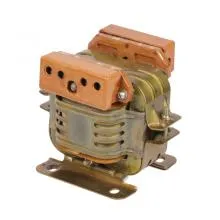
Трансформатор  СТС-7 Т2.
коротко о товаре
  • Марка
    МЭТЗ (Беларусь)
  • Назначение

    Трансформатор силовой - служит для преобразования электрической энергии одного напряжения в энергию другого напряжения. Является основным оборудованием электрических подстанций.

    Трансформатор для прогрева бетона и грунта - предназначен для электропрогрева и других способов электротермообработки смеси и замерзшего грунта с автоматическим регулированием температуры, в условиях строительных площадок. К данным трансформаторам присоединяется нагревательный провод ПНСВ, проложенный внутри бетона, по которому подается электрический ток, преобразующийся в температуру, доходящую до +80 градусов.

    Трансформаторные подстанции - электроустановка, предназначенная для приема, преобразования (повышения или понижения) напряжения в сети переменного тока и распределения электроэнергии. Состоит из силовых трансформаторов, распределительного устройства, устройства автоматического управления и защиты, а также вспомогательных сооружений.

    Трансформаторы тока - предназначен для регулировки тока

    Трансформаторы напряжения - предназначен для регулировки напряжения

    Трансформатор понижающий - многоцелевые трансформаторы небольших габаритов

    Трансформатор разделительный - первичная обмотка отделена от вторичных обмоток при помощи защитного электрического разделения цепей: двойной или усиленной изоляции, или основной изоляции и защитного экрана. Применение такого подключения электроприемника существенно снижает вероятность поражения электрическим током

    Тороидальный трансформатор представляет собой высокоэффективный трансформатор, который легче и меньше, чем альтернативные трансформаторы такой же мощности. Применение тороидальных трансформаторов позволяет уменьшить массу и габариты изделий, повысить КПД, увеличить плотность монтажа

    Назначение
    Трансформатор понижающий многофунциональный
  • СерияСТ, СОБС, СОС, СТС, ОСС
  • Номинальная мощность
    Номинальная мощность трансформатора представляет собой значение полной мощности трансформатора на основном ответвлении, гарантированное заводом-изготовителем в номинальных условиях охлаждающей среды при номинальном напряжении и номинальной частоте.
    Номинальная мощность
    0.0231 кВА
  • все товары МЭТЗ (Беларусь)
цену уточняйте
Как отправить запрос, уточнить цену и получить предложение?
  • 1 Нажмите на кнопку "Отправить запрос"
  • 2 В открывшейся форме укажите контактные данные и отправьте предварительную заявку
  • 3 Поставщик уточнит детали и предоставит предложение на поставку товара
  • 4 Вы можете принять предложение или выбрать другого поставщика
ГК Новые технологии Казань показать телефон
<
>
Безналичный расчет, Банковский перевод подробнее
Транспотрная компания подробнее
Чтобы купить Трансформатор СТС-7 Т2, вам нужно отправить запрос или связаться с поставщиком.
  • Характеристики
  • Поставщики
  • Описание
  • Отзывы (2500)
Характеристики

ВСЕ ХАРАКТЕРИСТИКИ ТОВАРА Трансформатор СТС-7 Т2

Характеристика Значение
Марка
МЭТЗ (Беларусь)
Назначение

Трансформатор силовой - служит для преобразования электрической энергии одного напряжения в энергию другого напряжения. Является основным оборудованием электрических подстанций.

Трансформатор для прогрева бетона и грунта - предназначен для электропрогрева и других способов электротермообработки смеси и замерзшего грунта с автоматическим регулированием температуры, в условиях строительных площадок. К данным трансформаторам присоединяется нагревательный провод ПНСВ, проложенный внутри бетона, по которому подается электрический ток, преобразующийся в температуру, доходящую до +80 градусов.

Трансформаторные подстанции - электроустановка, предназначенная для приема, преобразования (повышения или понижения) напряжения в сети переменного тока и распределения электроэнергии. Состоит из силовых трансформаторов, распределительного устройства, устройства автоматического управления и защиты, а также вспомогательных сооружений.

Трансформаторы тока - предназначен для регулировки тока

Трансформаторы напряжения - предназначен для регулировки напряжения

Трансформатор понижающий - многоцелевые трансформаторы небольших габаритов

Трансформатор разделительный - первичная обмотка отделена от вторичных обмоток при помощи защитного электрического разделения цепей: двойной или усиленной изоляции, или основной изоляции и защитного экрана. Применение такого подключения электроприемника существенно снижает вероятность поражения электрическим током

Тороидальный трансформатор представляет собой высокоэффективный трансформатор, который легче и меньше, чем альтернативные трансформаторы такой же мощности. Применение тороидальных трансформаторов позволяет уменьшить массу и габариты изделий, повысить КПД, увеличить плотность монтажа

Назначение
Трансформатор понижающий многофунциональный
Серия СТ, СОБС, СОС, СТС, ОСС
Номинальная мощность
Номинальная мощность трансформатора представляет собой значение полной мощности трансформатора на основном ответвлении, гарантированное заводом-изготовителем в номинальных условиях охлаждающей среды при номинальном напряжении и номинальной частоте.
Номинальная мощность
0.0231 кВА
Номинальное высшее напряжение

Номинальное напряжение первичной обмотки при холостом ходе трансформатора

Номинальное высшее напряжение
200 В
Номинальное низшее напряжение

Номинальное напряжение вторичной обмотки при холостом ходе трансформатора

Номинальное низшее напряжение
24 В
Количество фаз
В обычных сетях применяются однофазные трансформаторы, в сетях на три провода (фаза, ноль, заземление) нужен трехфазный трансформатор.
Количество фаз
Однофазный
Тип диэлектрика трансформатора
По типу охлаждения устройства делятся на две категории – силовые сухие трансформаторы (с воздушным охлаждением) и силовые масляные трансформаторы
Тип диэлектрика трансформатора
Сухой
Характеристика Значение
Частота 50 Гц
Степень защиты
Маркировка степени защиты оболочки электрооборудования осуществляется при помощи международного знака защиты (IP) и двух цифр, первая из которых означает защиту от попадания твёрдых предметов, вторая — от проникновения воды. IP00 - защита отсутствует. IP65 - пыленепроницаемое, с защитой от водяных струй с любого направления
Степень защиты
IP20
Масса полная
Для трансформатора - полная масса трансформатора, с учетом массы масла. Для КТП - полная масса КТП, без учета массы трансформаторов
Масса полная
0.95 кг
Климатическое исполнение и категория размещения
Климатическое исполнение — как правило, указывается в последней группе знаков обозначений технических устройств. Буквенная часть обозначает климатическую зону. Следующая за буквенной цифровая часть означает категорию размещения.
Климатическое исполнение и категория размещения
Т2
Габариты, длина 91 мм
Габариты, ширина 76 мм
Габариты, высота 92 мм
Гарантия 36 мес.
Поставщики
МЭТЗ показать телефон Россия цену уточняйте
Как отправить запрос, уточнить цену и получить предложение?
  • 1 Нажмите на кнопку "Отправить запрос"
  • 2 В открывшейся форме укажите контактные данные и отправьте предварительную заявку
  • 3 Поставщик уточнит детали и предоставит предложение на поставку товара
  • 4 Вы можете принять предложение или выбрать другого поставщика
Описание
описание

Трансформаторы СТС (сигнальные трансформаторы светодиодных светофоров) предназначены для электропитания светодиодных светофоров микропроцессорных систем железнодорожной автоматики.

Трансформаторы соответствует требованиям СТБ МЭК 61558-2-6 ГОСТ 15963-79.

Вид климатического исполнения – Т2 по ГОСТ 15150-69.

Температура окружающего воздуха от минус 40 С до плюс 70 С.

Номинальные рабочие значения механических внешних воздействующих факторов – ГОСТ 30631-99 для групп механического исполнения М6 при установке в любом рабочем положении.

Трансформаторы предназначены для работы в продолжительном режиме.

Исполнение трансформаторов по условиям установки на месте работы – встраиваемые, стационарные.

В соответствии с требованиями электромагнитной совместимости
трансформаторы могут применяться в окружающей обстановке 1 – среде, характерной для оборудования, устанавливаемого в жилых, коммерческих зданиях или зданиях лёгкой промышленности, предназначенного для непосредственного подключения к низковольтным электрическим сетям общего пользования.

Класс нагревостойкости изоляции – В по ГОСТ 8865-83.

По способу защиты от поражения электрическим током трансформаторы относятся к классу II по ГОСТ 12.2.007.0-75 и имеют степень защиты IP20 по ГОСТ 14254-96.
Корректированный уровень звуковой мощности трансформаторов не должен превышать 20 дБА как при холостом ходе, так и при номинальной нагрузке.

Отзывы (2500)
Трансформатор СТС-7 Т2

Airbus Beluga: World’s strangest-looking plane gets its own airline kraken13 at he Airbus Beluga, one of the world’s strangest airplanes, now has its own airline. The odd-looking, oversized cargo plane — a favorite among planespotters around the world — has been in service for close to two decades. It mainly transports aircraft parts between Airbus’ manufacturing facilities spread throughout Europe. Now, a new version of the Beluga is replacing the original fleet, which has gone on to power a standalone freight airline called Airbus Beluga Transport. “There are very few options on the market for oversize items,” says Benoit Lemonnier, head of Airbus Beluga Transport. “Most often there’s a need to partially dismantle a payload to make it fit in an aircraft — whereas in the Beluga, it will just fit.” https://kraken13r.at kraken зеркало The very first Beluga was originally known as the Airbus Super Transporter. But after its nickname — derived from the resemblance to the white Arctic whale — gained popularity, Airbus decided to rename the aircraft Beluga ST, retaining the original name in the acronym. It first flew in 1994 and entered service in 1995, followed over the years by four more examples, the last of which was rolled out in late 2000. “The Beluga was developed to transport large sections of Airbus aircraft from its factories in France, Germany, the UK, Spain and Turkey to the final assembly lines located in Toulouse and Hamburg,” explains Lemonnier. “It is a very special design, because it’s actually a transformation of an A300-600 that had its entire head removed and then equipped with special fuselage shells, a bigger door and dedicated flight equipment.” Before the Beluga, Airbus was using a fleet of Super Guppies, modified versions of 1950s Boeing Stratocruiser passenger planes that had previously been in service with NASA to ferry spacecraft parts. Now, history is repeating itself as the original Beluga is being replaced by a more spacious and advanced model, the Beluga XL. Longer and bigger than the ST, the Beluga XL is capable of carrying both wings, rather than just one, of the Airbus A350, the company’s latest long-haul aircraft that rivals the Boeing 787 and 777. “The XL is based on a much more modern platform, the A330,” Lemonnier adds. “Since 2018, six XLs have been built, and the latest one will be delivered very soon to the internal Airbus airline. The Beluga XL can fully substitute the Beluga ST on the internal Airbus network, so the STs can become available for alternative service.”

Airbus Beluga: World’s strangest-looking plane gets its own airline kraken13 at he Airbus Beluga, one of the world’s strangest airplanes, now has its own airline. The odd-looking, oversized cargo plane — a favorite among planespotters around the world — has been in service for close to two decades. It mainly transports aircraft parts between Airbus’ manufacturing facilities spread throughout Europe. Now, a new version of the Beluga is replacing the original fleet, which has gone on to power a standalone freight airline called Airbus Beluga Transport. “There are very few options on the market for oversize items,” says Benoit Lemonnier, head of Airbus Beluga Transport. “Most often there’s a need to partially dismantle a payload to make it fit in an aircraft — whereas in the Beluga, it will just fit.” https://kraken13r.at kraken зеркало The very first Beluga was originally known as the Airbus Super Transporter. But after its nickname — derived from the resemblance to the white Arctic whale — gained popularity, Airbus decided to rename the aircraft Beluga ST, retaining the original name in the acronym. It first flew in 1994 and entered service in 1995, followed over the years by four more examples, the last of which was rolled out in late 2000. “The Beluga was developed to transport large sections of Airbus aircraft from its factories in France, Germany, the UK, Spain and Turkey to the final assembly lines located in Toulouse and Hamburg,” explains Lemonnier. “It is a very special design, because it’s actually a transformation of an A300-600 that had its entire head removed and then equipped with special fuselage shells, a bigger door and dedicated flight equipment.” Before the Beluga, Airbus was using a fleet of Super Guppies, modified versions of 1950s Boeing Stratocruiser passenger planes that had previously been in service with NASA to ferry spacecraft parts. Now, history is repeating itself as the original Beluga is being replaced by a more spacious and advanced model, the Beluga XL. Longer and bigger than the ST, the Beluga XL is capable of carrying both wings, rather than just one, of the Airbus A350, the company’s latest long-haul aircraft that rivals the Boeing 787 and 777. “The XL is based on a much more modern platform, the A330,” Lemonnier adds. “Since 2018, six XLs have been built, and the latest one will be delivered very soon to the internal Airbus airline. The Beluga XL can fully substitute the Beluga ST on the internal Airbus network, so the STs can become available for alternative service.”

Airbus Beluga: World’s strangest-looking plane gets its own airline kraken13 at he Airbus Beluga, one of the world’s strangest airplanes, now has its own airline. The odd-looking, oversized cargo plane — a favorite among planespotters around the world — has been in service for close to two decades. It mainly transports aircraft parts between Airbus’ manufacturing facilities spread throughout Europe. Now, a new version of the Beluga is replacing the original fleet, which has gone on to power a standalone freight airline called Airbus Beluga Transport. “There are very few options on the market for oversize items,” says Benoit Lemonnier, head of Airbus Beluga Transport. “Most often there’s a need to partially dismantle a payload to make it fit in an aircraft — whereas in the Beluga, it will just fit.” https://kraken13r.at kraken зеркало The very first Beluga was originally known as the Airbus Super Transporter. But after its nickname — derived from the resemblance to the white Arctic whale — gained popularity, Airbus decided to rename the aircraft Beluga ST, retaining the original name in the acronym. It first flew in 1994 and entered service in 1995, followed over the years by four more examples, the last of which was rolled out in late 2000. “The Beluga was developed to transport large sections of Airbus aircraft from its factories in France, Germany, the UK, Spain and Turkey to the final assembly lines located in Toulouse and Hamburg,” explains Lemonnier. “It is a very special design, because it’s actually a transformation of an A300-600 that had its entire head removed and then equipped with special fuselage shells, a bigger door and dedicated flight equipment.” Before the Beluga, Airbus was using a fleet of Super Guppies, modified versions of 1950s Boeing Stratocruiser passenger planes that had previously been in service with NASA to ferry spacecraft parts. Now, history is repeating itself as the original Beluga is being replaced by a more spacious and advanced model, the Beluga XL. Longer and bigger than the ST, the Beluga XL is capable of carrying both wings, rather than just one, of the Airbus A350, the company’s latest long-haul aircraft that rivals the Boeing 787 and 777. “The XL is based on a much more modern platform, the A330,” Lemonnier adds. “Since 2018, six XLs have been built, and the latest one will be delivered very soon to the internal Airbus airline. The Beluga XL can fully substitute the Beluga ST on the internal Airbus network, so the STs can become available for alternative service.”

Трансформатор СТС-7 Т2

ооператив «Бест Вей»: получены ответы из Прокуратуры Санкт-Петербурга и ЦБ большой анальный секс Есть пирамидообразные проекты, срок жизни которых может исчисляться не месяцами, а годами. Причем все это время ее организаторы открыто ведут публичную пропаганду своего проекта. Как правило, многолетние проекты создаются на основе легально зарегистрированных организаций. Кроме того, их «пирамидный продукт», как правило, должен быть ориентирован на широкую аудиторию, а скорость развития проекта должна быть умеренной. В этом случае пирамиде удается добиться длительного поступательного развития и по настоящему широкой известности. Один из самых известных долгоиграющих, а потому, по нашему мнению, опасных для кошельков участников проектов – жилищный кооператив «Бест Вей», созданный в 2014 году бизнесменом Романом Василенко. Роман Викторович – фигура яркая, поэтому сначала немного о нем. Трудовой путь г-на Василенко Говоря о Романе Василенко, как о бизнесмене, надо всегда оговаривать, что речь идет о сетевом бизнесе. Какой же трудовой путь привел нашего героя - выпускника Ярославского высшего военно-финансового училища, - к «Бест Вею»? В биографии на сайте romanvasilenko.com, по всей видимости, сам г-н Василенко максимально лаконично описывает период с момента ухода с финансовой службы в военно-морском флоте России в 1998 году до создания им кооператива «Бест Вей»: «С 1996 по 2012 годы Роман Василенко посещал и окончил курсы MBA в Венгрии, Австрии, Франции, на Кипре, Маврикии, в Швейцарии, США». То есть, получается, что как минимум двенадцать лет, Роман только и делал, что учился? Впрочем, в других местах говорится, что все-таки и в эти годы он занимался и предпринимательской деятельностью. В частности, говорится о его работе в фирме «SI Save Invest Ltd», где он «прошел путь от простого консультанта до управляющего директора». Швейцарская компания, которая, действительно, зарегистрирована в кантоне Цуг, существует до сих пор, но почему-то Гугл в 2020 году не зафиксировал ни одного поискового запроса с этим названием ни в одной стране мира, кроме России.

ооператив «Бест Вей»: получены ответы из Прокуратуры Санкт-Петербурга и ЦБ большой анальный секс Есть пирамидообразные проекты, срок жизни которых может исчисляться не месяцами, а годами. Причем все это время ее организаторы открыто ведут публичную пропаганду своего проекта. Как правило, многолетние проекты создаются на основе легально зарегистрированных организаций. Кроме того, их «пирамидный продукт», как правило, должен быть ориентирован на широкую аудиторию, а скорость развития проекта должна быть умеренной. В этом случае пирамиде удается добиться длительного поступательного развития и по настоящему широкой известности. Один из самых известных долгоиграющих, а потому, по нашему мнению, опасных для кошельков участников проектов – жилищный кооператив «Бест Вей», созданный в 2014 году бизнесменом Романом Василенко. Роман Викторович – фигура яркая, поэтому сначала немного о нем. Трудовой путь г-на Василенко Говоря о Романе Василенко, как о бизнесмене, надо всегда оговаривать, что речь идет о сетевом бизнесе. Какой же трудовой путь привел нашего героя - выпускника Ярославского высшего военно-финансового училища, - к «Бест Вею»? В биографии на сайте romanvasilenko.com, по всей видимости, сам г-н Василенко максимально лаконично описывает период с момента ухода с финансовой службы в военно-морском флоте России в 1998 году до создания им кооператива «Бест Вей»: «С 1996 по 2012 годы Роман Василенко посещал и окончил курсы MBA в Венгрии, Австрии, Франции, на Кипре, Маврикии, в Швейцарии, США». То есть, получается, что как минимум двенадцать лет, Роман только и делал, что учился? Впрочем, в других местах говорится, что все-таки и в эти годы он занимался и предпринимательской деятельностью. В частности, говорится о его работе в фирме «SI Save Invest Ltd», где он «прошел путь от простого консультанта до управляющего директора». Швейцарская компания, которая, действительно, зарегистрирована в кантоне Цуг, существует до сих пор, но почему-то Гугл в 2020 году не зафиксировал ни одного поискового запроса с этим названием ни в одной стране мира, кроме России.

ооператив «Бест Вей»: получены ответы из Прокуратуры Санкт-Петербурга и ЦБ большой анальный секс Есть пирамидообразные проекты, срок жизни которых может исчисляться не месяцами, а годами. Причем все это время ее организаторы открыто ведут публичную пропаганду своего проекта. Как правило, многолетние проекты создаются на основе легально зарегистрированных организаций. Кроме того, их «пирамидный продукт», как правило, должен быть ориентирован на широкую аудиторию, а скорость развития проекта должна быть умеренной. В этом случае пирамиде удается добиться длительного поступательного развития и по настоящему широкой известности. Один из самых известных долгоиграющих, а потому, по нашему мнению, опасных для кошельков участников проектов – жилищный кооператив «Бест Вей», созданный в 2014 году бизнесменом Романом Василенко. Роман Викторович – фигура яркая, поэтому сначала немного о нем. Трудовой путь г-на Василенко Говоря о Романе Василенко, как о бизнесмене, надо всегда оговаривать, что речь идет о сетевом бизнесе. Какой же трудовой путь привел нашего героя - выпускника Ярославского высшего военно-финансового училища, - к «Бест Вею»? В биографии на сайте romanvasilenko.com, по всей видимости, сам г-н Василенко максимально лаконично описывает период с момента ухода с финансовой службы в военно-морском флоте России в 1998 году до создания им кооператива «Бест Вей»: «С 1996 по 2012 годы Роман Василенко посещал и окончил курсы MBA в Венгрии, Австрии, Франции, на Кипре, Маврикии, в Швейцарии, США». То есть, получается, что как минимум двенадцать лет, Роман только и делал, что учился? Впрочем, в других местах говорится, что все-таки и в эти годы он занимался и предпринимательской деятельностью. В частности, говорится о его работе в фирме «SI Save Invest Ltd», где он «прошел путь от простого консультанта до управляющего директора». Швейцарская компания, которая, действительно, зарегистрирована в кантоне Цуг, существует до сих пор, но почему-то Гугл в 2020 году не зафиксировал ни одного поискового запроса с этим названием ни в одной стране мира, кроме России.

Трансформатор СТС-7 Т2

The world’s most walkable cities revealed (and they aren’t in the US) kraken onion Strap up, people, we’re going boots-on-the-ground for this week’s CNN Travel newsletter. Let’s leave the jet engines behind, quit viewing the world through screens and breathe in sweet lungfuls of adventure. https://kraken13g.at кракен даркнет Few things in life are as delightful as ambling around a new neighborhood in a new city, chancing upon cute stores, bars, eateries and public spaces. But decades of car-centric policies means lots of cities around the world lack an abundance of pedestrian-friendly streets, a new study called “The ABC of Mobility” has found. The bigger and richer the city, the less likely it is to be easily walkable. But there are plenty of exceptions, as the stats from the study broken down by The Economist newspaper show. The Mozambique seaport of Quelimane, population 350,000, comes out as the most foot-friendly of the 794 cities surveyed in the study, but there are some less off-the-radar destinations in Europe (whose metropolises rank considerably higher than those of the United States). In the Netherlands, the tree-lined canals of Utrecht (No. 3) and the monumental splendor of The Hague (No. 27) are quieter alternatives to tourist favorite Amsterdam (No. 66). In northern Spain, the port city of Bilbao (No. 8) is famous for its Frank Gehry–designed Guggenheim Museum, and Leon (No. 9) boasts Roman ruins and Gothic cathedrals. Finally, in the Alpine region of Tyrol, where Italy meets Austria, Bolzano (No. 14) offers an opportunity to come face-to-face with Otzi the Iceman in the archaeological museum, while Innsbruck (No. 25) has world-class skiing and mountaineering.

The world’s most walkable cities revealed (and they aren’t in the US) kraken onion Strap up, people, we’re going boots-on-the-ground for this week’s CNN Travel newsletter. Let’s leave the jet engines behind, quit viewing the world through screens and breathe in sweet lungfuls of adventure. https://kraken13g.at кракен даркнет Few things in life are as delightful as ambling around a new neighborhood in a new city, chancing upon cute stores, bars, eateries and public spaces. But decades of car-centric policies means lots of cities around the world lack an abundance of pedestrian-friendly streets, a new study called “The ABC of Mobility” has found. The bigger and richer the city, the less likely it is to be easily walkable. But there are plenty of exceptions, as the stats from the study broken down by The Economist newspaper show. The Mozambique seaport of Quelimane, population 350,000, comes out as the most foot-friendly of the 794 cities surveyed in the study, but there are some less off-the-radar destinations in Europe (whose metropolises rank considerably higher than those of the United States). In the Netherlands, the tree-lined canals of Utrecht (No. 3) and the monumental splendor of The Hague (No. 27) are quieter alternatives to tourist favorite Amsterdam (No. 66). In northern Spain, the port city of Bilbao (No. 8) is famous for its Frank Gehry–designed Guggenheim Museum, and Leon (No. 9) boasts Roman ruins and Gothic cathedrals. Finally, in the Alpine region of Tyrol, where Italy meets Austria, Bolzano (No. 14) offers an opportunity to come face-to-face with Otzi the Iceman in the archaeological museum, while Innsbruck (No. 25) has world-class skiing and mountaineering.

The world’s most walkable cities revealed (and they aren’t in the US) kraken onion Strap up, people, we’re going boots-on-the-ground for this week’s CNN Travel newsletter. Let’s leave the jet engines behind, quit viewing the world through screens and breathe in sweet lungfuls of adventure. https://kraken13g.at кракен даркнет Few things in life are as delightful as ambling around a new neighborhood in a new city, chancing upon cute stores, bars, eateries and public spaces. But decades of car-centric policies means lots of cities around the world lack an abundance of pedestrian-friendly streets, a new study called “The ABC of Mobility” has found. The bigger and richer the city, the less likely it is to be easily walkable. But there are plenty of exceptions, as the stats from the study broken down by The Economist newspaper show. The Mozambique seaport of Quelimane, population 350,000, comes out as the most foot-friendly of the 794 cities surveyed in the study, but there are some less off-the-radar destinations in Europe (whose metropolises rank considerably higher than those of the United States). In the Netherlands, the tree-lined canals of Utrecht (No. 3) and the monumental splendor of The Hague (No. 27) are quieter alternatives to tourist favorite Amsterdam (No. 66). In northern Spain, the port city of Bilbao (No. 8) is famous for its Frank Gehry–designed Guggenheim Museum, and Leon (No. 9) boasts Roman ruins and Gothic cathedrals. Finally, in the Alpine region of Tyrol, where Italy meets Austria, Bolzano (No. 14) offers an opportunity to come face-to-face with Otzi the Iceman in the archaeological museum, while Innsbruck (No. 25) has world-class skiing and mountaineering.

Трансформатор СТС-7 Т2

Airbus Beluga: World’s strangest-looking plane gets its own airline kraken at he Airbus Beluga, one of the world’s strangest airplanes, now has its own airline. The odd-looking, oversized cargo plane — a favorite among planespotters around the world — has been in service for close to two decades. It mainly transports aircraft parts between Airbus’ manufacturing facilities spread throughout Europe. Now, a new version of the Beluga is replacing the original fleet, which has gone on to power a standalone freight airline called Airbus Beluga Transport. “There are very few options on the market for oversize items,” says Benoit Lemonnier, head of Airbus Beluga Transport. “Most often there’s a need to partially dismantle a payload to make it fit in an aircraft — whereas in the Beluga, it will just fit.” https://kraken13r.at Кракен даркнет The very first Beluga was originally known as the Airbus Super Transporter. But after its nickname — derived from the resemblance to the white Arctic whale — gained popularity, Airbus decided to rename the aircraft Beluga ST, retaining the original name in the acronym. It first flew in 1994 and entered service in 1995, followed over the years by four more examples, the last of which was rolled out in late 2000. “The Beluga was developed to transport large sections of Airbus aircraft from its factories in France, Germany, the UK, Spain and Turkey to the final assembly lines located in Toulouse and Hamburg,” explains Lemonnier. “It is a very special design, because it’s actually a transformation of an A300-600 that had its entire head removed and then equipped with special fuselage shells, a bigger door and dedicated flight equipment.” Before the Beluga, Airbus was using a fleet of Super Guppies, modified versions of 1950s Boeing Stratocruiser passenger planes that had previously been in service with NASA to ferry spacecraft parts. Now, history is repeating itself as the original Beluga is being replaced by a more spacious and advanced model, the Beluga XL. Longer and bigger than the ST, the Beluga XL is capable of carrying both wings, rather than just one, of the Airbus A350, the company’s latest long-haul aircraft that rivals the Boeing 787 and 777. “The XL is based on a much more modern platform, the A330,” Lemonnier adds. “Since 2018, six XLs have been built, and the latest one will be delivered very soon to the internal Airbus airline. The Beluga XL can fully substitute the Beluga ST on the internal Airbus network, so the STs can become available for alternative service.”

Airbus Beluga: World’s strangest-looking plane gets its own airline kraken at he Airbus Beluga, one of the world’s strangest airplanes, now has its own airline. The odd-looking, oversized cargo plane — a favorite among planespotters around the world — has been in service for close to two decades. It mainly transports aircraft parts between Airbus’ manufacturing facilities spread throughout Europe. Now, a new version of the Beluga is replacing the original fleet, which has gone on to power a standalone freight airline called Airbus Beluga Transport. “There are very few options on the market for oversize items,” says Benoit Lemonnier, head of Airbus Beluga Transport. “Most often there’s a need to partially dismantle a payload to make it fit in an aircraft — whereas in the Beluga, it will just fit.” https://kraken13r.at Кракен даркнет The very first Beluga was originally known as the Airbus Super Transporter. But after its nickname — derived from the resemblance to the white Arctic whale — gained popularity, Airbus decided to rename the aircraft Beluga ST, retaining the original name in the acronym. It first flew in 1994 and entered service in 1995, followed over the years by four more examples, the last of which was rolled out in late 2000. “The Beluga was developed to transport large sections of Airbus aircraft from its factories in France, Germany, the UK, Spain and Turkey to the final assembly lines located in Toulouse and Hamburg,” explains Lemonnier. “It is a very special design, because it’s actually a transformation of an A300-600 that had its entire head removed and then equipped with special fuselage shells, a bigger door and dedicated flight equipment.” Before the Beluga, Airbus was using a fleet of Super Guppies, modified versions of 1950s Boeing Stratocruiser passenger planes that had previously been in service with NASA to ferry spacecraft parts. Now, history is repeating itself as the original Beluga is being replaced by a more spacious and advanced model, the Beluga XL. Longer and bigger than the ST, the Beluga XL is capable of carrying both wings, rather than just one, of the Airbus A350, the company’s latest long-haul aircraft that rivals the Boeing 787 and 777. “The XL is based on a much more modern platform, the A330,” Lemonnier adds. “Since 2018, six XLs have been built, and the latest one will be delivered very soon to the internal Airbus airline. The Beluga XL can fully substitute the Beluga ST on the internal Airbus network, so the STs can become available for alternative service.”

Airbus Beluga: World’s strangest-looking plane gets its own airline kraken at he Airbus Beluga, one of the world’s strangest airplanes, now has its own airline. The odd-looking, oversized cargo plane — a favorite among planespotters around the world — has been in service for close to two decades. It mainly transports aircraft parts between Airbus’ manufacturing facilities spread throughout Europe. Now, a new version of the Beluga is replacing the original fleet, which has gone on to power a standalone freight airline called Airbus Beluga Transport. “There are very few options on the market for oversize items,” says Benoit Lemonnier, head of Airbus Beluga Transport. “Most often there’s a need to partially dismantle a payload to make it fit in an aircraft — whereas in the Beluga, it will just fit.” https://kraken13r.at Кракен даркнет The very first Beluga was originally known as the Airbus Super Transporter. But after its nickname — derived from the resemblance to the white Arctic whale — gained popularity, Airbus decided to rename the aircraft Beluga ST, retaining the original name in the acronym. It first flew in 1994 and entered service in 1995, followed over the years by four more examples, the last of which was rolled out in late 2000. “The Beluga was developed to transport large sections of Airbus aircraft from its factories in France, Germany, the UK, Spain and Turkey to the final assembly lines located in Toulouse and Hamburg,” explains Lemonnier. “It is a very special design, because it’s actually a transformation of an A300-600 that had its entire head removed and then equipped with special fuselage shells, a bigger door and dedicated flight equipment.” Before the Beluga, Airbus was using a fleet of Super Guppies, modified versions of 1950s Boeing Stratocruiser passenger planes that had previously been in service with NASA to ferry spacecraft parts. Now, history is repeating itself as the original Beluga is being replaced by a more spacious and advanced model, the Beluga XL. Longer and bigger than the ST, the Beluga XL is capable of carrying both wings, rather than just one, of the Airbus A350, the company’s latest long-haul aircraft that rivals the Boeing 787 and 777. “The XL is based on a much more modern platform, the A330,” Lemonnier adds. “Since 2018, six XLs have been built, and the latest one will be delivered very soon to the internal Airbus airline. The Beluga XL can fully substitute the Beluga ST on the internal Airbus network, so the STs can become available for alternative service.”

Трансформатор СТС-7 Т2

Airbus Beluga: World’s strangest-looking plane gets its own airline kraken shop he Airbus Beluga, one of the world’s strangest airplanes, now has its own airline. The odd-looking, oversized cargo plane — a favorite among planespotters around the world — has been in service for close to two decades. It mainly transports aircraft parts between Airbus’ manufacturing facilities spread throughout Europe. Now, a new version of the Beluga is replacing the original fleet, which has gone on to power a standalone freight airline called Airbus Beluga Transport. “There are very few options on the market for oversize items,” says Benoit Lemonnier, head of Airbus Beluga Transport. “Most often there’s a need to partially dismantle a payload to make it fit in an aircraft — whereas in the Beluga, it will just fit.” https://kraken13r.at kraken tor The very first Beluga was originally known as the Airbus Super Transporter. But after its nickname — derived from the resemblance to the white Arctic whale — gained popularity, Airbus decided to rename the aircraft Beluga ST, retaining the original name in the acronym. It first flew in 1994 and entered service in 1995, followed over the years by four more examples, the last of which was rolled out in late 2000. “The Beluga was developed to transport large sections of Airbus aircraft from its factories in France, Germany, the UK, Spain and Turkey to the final assembly lines located in Toulouse and Hamburg,” explains Lemonnier. “It is a very special design, because it’s actually a transformation of an A300-600 that had its entire head removed and then equipped with special fuselage shells, a bigger door and dedicated flight equipment.” Before the Beluga, Airbus was using a fleet of Super Guppies, modified versions of 1950s Boeing Stratocruiser passenger planes that had previously been in service with NASA to ferry spacecraft parts. Now, history is repeating itself as the original Beluga is being replaced by a more spacious and advanced model, the Beluga XL. Longer and bigger than the ST, the Beluga XL is capable of carrying both wings, rather than just one, of the Airbus A350, the company’s latest long-haul aircraft that rivals the Boeing 787 and 777. “The XL is based on a much more modern platform, the A330,” Lemonnier adds. “Since 2018, six XLs have been built, and the latest one will be delivered very soon to the internal Airbus airline. The Beluga XL can fully substitute the Beluga ST on the internal Airbus network, so the STs can become available for alternative service.”

Airbus Beluga: World’s strangest-looking plane gets its own airline kraken shop he Airbus Beluga, one of the world’s strangest airplanes, now has its own airline. The odd-looking, oversized cargo plane — a favorite among planespotters around the world — has been in service for close to two decades. It mainly transports aircraft parts between Airbus’ manufacturing facilities spread throughout Europe. Now, a new version of the Beluga is replacing the original fleet, which has gone on to power a standalone freight airline called Airbus Beluga Transport. “There are very few options on the market for oversize items,” says Benoit Lemonnier, head of Airbus Beluga Transport. “Most often there’s a need to partially dismantle a payload to make it fit in an aircraft — whereas in the Beluga, it will just fit.” https://kraken13r.at kraken tor The very first Beluga was originally known as the Airbus Super Transporter. But after its nickname — derived from the resemblance to the white Arctic whale — gained popularity, Airbus decided to rename the aircraft Beluga ST, retaining the original name in the acronym. It first flew in 1994 and entered service in 1995, followed over the years by four more examples, the last of which was rolled out in late 2000. “The Beluga was developed to transport large sections of Airbus aircraft from its factories in France, Germany, the UK, Spain and Turkey to the final assembly lines located in Toulouse and Hamburg,” explains Lemonnier. “It is a very special design, because it’s actually a transformation of an A300-600 that had its entire head removed and then equipped with special fuselage shells, a bigger door and dedicated flight equipment.” Before the Beluga, Airbus was using a fleet of Super Guppies, modified versions of 1950s Boeing Stratocruiser passenger planes that had previously been in service with NASA to ferry spacecraft parts. Now, history is repeating itself as the original Beluga is being replaced by a more spacious and advanced model, the Beluga XL. Longer and bigger than the ST, the Beluga XL is capable of carrying both wings, rather than just one, of the Airbus A350, the company’s latest long-haul aircraft that rivals the Boeing 787 and 777. “The XL is based on a much more modern platform, the A330,” Lemonnier adds. “Since 2018, six XLs have been built, and the latest one will be delivered very soon to the internal Airbus airline. The Beluga XL can fully substitute the Beluga ST on the internal Airbus network, so the STs can become available for alternative service.”

Airbus Beluga: World’s strangest-looking plane gets its own airline kraken shop he Airbus Beluga, one of the world’s strangest airplanes, now has its own airline. The odd-looking, oversized cargo plane — a favorite among planespotters around the world — has been in service for close to two decades. It mainly transports aircraft parts between Airbus’ manufacturing facilities spread throughout Europe. Now, a new version of the Beluga is replacing the original fleet, which has gone on to power a standalone freight airline called Airbus Beluga Transport. “There are very few options on the market for oversize items,” says Benoit Lemonnier, head of Airbus Beluga Transport. “Most often there’s a need to partially dismantle a payload to make it fit in an aircraft — whereas in the Beluga, it will just fit.” https://kraken13r.at kraken tor The very first Beluga was originally known as the Airbus Super Transporter. But after its nickname — derived from the resemblance to the white Arctic whale — gained popularity, Airbus decided to rename the aircraft Beluga ST, retaining the original name in the acronym. It first flew in 1994 and entered service in 1995, followed over the years by four more examples, the last of which was rolled out in late 2000. “The Beluga was developed to transport large sections of Airbus aircraft from its factories in France, Germany, the UK, Spain and Turkey to the final assembly lines located in Toulouse and Hamburg,” explains Lemonnier. “It is a very special design, because it’s actually a transformation of an A300-600 that had its entire head removed and then equipped with special fuselage shells, a bigger door and dedicated flight equipment.” Before the Beluga, Airbus was using a fleet of Super Guppies, modified versions of 1950s Boeing Stratocruiser passenger planes that had previously been in service with NASA to ferry spacecraft parts. Now, history is repeating itself as the original Beluga is being replaced by a more spacious and advanced model, the Beluga XL. Longer and bigger than the ST, the Beluga XL is capable of carrying both wings, rather than just one, of the Airbus A350, the company’s latest long-haul aircraft that rivals the Boeing 787 and 777. “The XL is based on a much more modern platform, the A330,” Lemonnier adds. “Since 2018, six XLs have been built, and the latest one will be delivered very soon to the internal Airbus airline. The Beluga XL can fully substitute the Beluga ST on the internal Airbus network, so the STs can become available for alternative service.”

Страницы

Похожие товары:
Трансформатор  СТС-7 Т2
Трансформатор СТС-6 Т2
Трансформатор  СТС-7 Т2
Трансформатор ОСС-0,04
Трансформатор  СТС-7 Т2
Трансформатор ОСС-0,25
Трансформатор  СТС-7 Т2
Трансформатор ОСС-0,16
Трансформатор  СТС-7 Т2
Трансформатор ОСС-0,1
Трансформатор  СТС-7 Т2
Трансформатор ОСС-0,063