Каталог
Сравнение

Сообщение об ошибке

  • Warning: fopen(/mnt/mopra/www/cache/sites_default_cache_form/form_form-qzElY1TrdDMIm9xogKUvvv62WZ1TTOtIjcJkbnL2100): failed to open stream: No space left on device в функции DrupalFileCache->set() (строка 341 в файле /mnt/mopra/www/src/sites/all/modules/filecache/filecache.inc).
  • Warning: fopen(/mnt/mopra/www/cache/sites_default_cache_form/form_state_form-qzElY1TrdDMIm9xogKUvvv62WZ1TTOtIjcJkbnL2100): failed to open stream: No space left on device в функции DrupalFileCache->set() (строка 341 в файле /mnt/mopra/www/src/sites/all/modules/filecache/filecache.inc).
  • Warning: fopen(/mnt/mopra/www/cache/sites_default_cache_form/form_form-B7l3pWmJBBk5BVZIoPc5Ob7rkCdSopXefjkwHnxnDyc): failed to open stream: No space left on device в функции DrupalFileCache->set() (строка 341 в файле /mnt/mopra/www/src/sites/all/modules/filecache/filecache.inc).
  • Warning: fopen(/mnt/mopra/www/cache/sites_default_cache_form/form_state_form-B7l3pWmJBBk5BVZIoPc5Ob7rkCdSopXefjkwHnxnDyc): failed to open stream: No space left on device в функции DrupalFileCache->set() (строка 341 в файле /mnt/mopra/www/src/sites/all/modules/filecache/filecache.inc).
  • Warning: fopen(/mnt/mopra/www/cache/sites_default_cache_form/form_form-2MsgGj5Ilgbj6S4QOoJYzCVwrS0PD2-hajPQbBoayBg): failed to open stream: No space left on device в функции DrupalFileCache->set() (строка 341 в файле /mnt/mopra/www/src/sites/all/modules/filecache/filecache.inc).
  • Warning: fopen(/mnt/mopra/www/cache/sites_default_cache_form/form_state_form-2MsgGj5Ilgbj6S4QOoJYzCVwrS0PD2-hajPQbBoayBg): failed to open stream: No space left on device в функции DrupalFileCache->set() (строка 341 в файле /mnt/mopra/www/src/sites/all/modules/filecache/filecache.inc).
  • Warning: fopen(/mnt/mopra/www/cache/sites_default_cache_form/form_form-U7Ies4HVL7rw7mLwcBRPXj1VE65S9VvjJz_jufoEQYo): failed to open stream: No space left on device в функции DrupalFileCache->set() (строка 341 в файле /mnt/mopra/www/src/sites/all/modules/filecache/filecache.inc).
  • Warning: fopen(/mnt/mopra/www/cache/sites_default_cache_form/form_state_form-U7Ies4HVL7rw7mLwcBRPXj1VE65S9VvjJz_jufoEQYo): failed to open stream: No space left on device в функции DrupalFileCache->set() (строка 341 в файле /mnt/mopra/www/src/sites/all/modules/filecache/filecache.inc).
  • Warning: fopen(/mnt/mopra/www/cache/sites_default_cache_form/form_form-N6i4V-vR64uAtLas0V7MzD0qMOcPvI5a5gekUagStqo): failed to open stream: No space left on device в функции DrupalFileCache->set() (строка 341 в файле /mnt/mopra/www/src/sites/all/modules/filecache/filecache.inc).
  • Warning: fopen(/mnt/mopra/www/cache/sites_default_cache_form/form_state_form-N6i4V-vR64uAtLas0V7MzD0qMOcPvI5a5gekUagStqo): failed to open stream: No space left on device в функции DrupalFileCache->set() (строка 341 в файле /mnt/mopra/www/src/sites/all/modules/filecache/filecache.inc).

Вы здесь

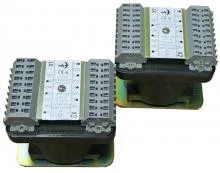
Трансформатор  СТС-7 Т2.
коротко о товаре
  • Марка
    МЭТЗ (Беларусь)
  • Назначение

    Трансформатор силовой - служит для преобразования электрической энергии одного напряжения в энергию другого напряжения. Является основным оборудованием электрических подстанций.

    Трансформатор для прогрева бетона и грунта - предназначен для электропрогрева и других способов электротермообработки смеси и замерзшего грунта с автоматическим регулированием температуры, в условиях строительных площадок. К данным трансформаторам присоединяется нагревательный провод ПНСВ, проложенный внутри бетона, по которому подается электрический ток, преобразующийся в температуру, доходящую до +80 градусов.

    Трансформаторные подстанции - электроустановка, предназначенная для приема, преобразования (повышения или понижения) напряжения в сети переменного тока и распределения электроэнергии. Состоит из силовых трансформаторов, распределительного устройства, устройства автоматического управления и защиты, а также вспомогательных сооружений.

    Трансформаторы тока - предназначен для регулировки тока

    Трансформаторы напряжения - предназначен для регулировки напряжения

    Трансформатор понижающий - многоцелевые трансформаторы небольших габаритов

    Трансформатор разделительный - первичная обмотка отделена от вторичных обмоток при помощи защитного электрического разделения цепей: двойной или усиленной изоляции, или основной изоляции и защитного экрана. Применение такого подключения электроприемника существенно снижает вероятность поражения электрическим током

    Тороидальный трансформатор представляет собой высокоэффективный трансформатор, который легче и меньше, чем альтернативные трансформаторы такой же мощности. Применение тороидальных трансформаторов позволяет уменьшить массу и габариты изделий, повысить КПД, увеличить плотность монтажа

    Назначение
    Трансформатор понижающий многофунциональный
  • СерияСТ, СОБС, СОС, СТС, ОСС
  • Номинальная мощность
    Номинальная мощность трансформатора представляет собой значение полной мощности трансформатора на основном ответвлении, гарантированное заводом-изготовителем в номинальных условиях охлаждающей среды при номинальном напряжении и номинальной частоте.
    Номинальная мощность
    0.0231 кВА
  • все товары МЭТЗ (Беларусь)
цену уточняйте
Как отправить запрос, уточнить цену и получить предложение?
  • 1 Нажмите на кнопку "Отправить запрос"
  • 2 В открывшейся форме укажите контактные данные и отправьте предварительную заявку
  • 3 Поставщик уточнит детали и предоставит предложение на поставку товара
  • 4 Вы можете принять предложение или выбрать другого поставщика
ГК Новые технологии Казань показать телефон
<
>
Безналичный расчет, Банковский перевод подробнее
Транспотрная компания подробнее
Чтобы купить Трансформатор СТС-7 Т2, вам нужно отправить запрос или связаться с поставщиком.
  • Характеристики
  • Поставщики
  • Описание
  • Отзывы (2500)
Характеристики

ВСЕ ХАРАКТЕРИСТИКИ ТОВАРА Трансформатор СТС-7 Т2

Характеристика Значение
Марка
МЭТЗ (Беларусь)
Назначение

Трансформатор силовой - служит для преобразования электрической энергии одного напряжения в энергию другого напряжения. Является основным оборудованием электрических подстанций.

Трансформатор для прогрева бетона и грунта - предназначен для электропрогрева и других способов электротермообработки смеси и замерзшего грунта с автоматическим регулированием температуры, в условиях строительных площадок. К данным трансформаторам присоединяется нагревательный провод ПНСВ, проложенный внутри бетона, по которому подается электрический ток, преобразующийся в температуру, доходящую до +80 градусов.

Трансформаторные подстанции - электроустановка, предназначенная для приема, преобразования (повышения или понижения) напряжения в сети переменного тока и распределения электроэнергии. Состоит из силовых трансформаторов, распределительного устройства, устройства автоматического управления и защиты, а также вспомогательных сооружений.

Трансформаторы тока - предназначен для регулировки тока

Трансформаторы напряжения - предназначен для регулировки напряжения

Трансформатор понижающий - многоцелевые трансформаторы небольших габаритов

Трансформатор разделительный - первичная обмотка отделена от вторичных обмоток при помощи защитного электрического разделения цепей: двойной или усиленной изоляции, или основной изоляции и защитного экрана. Применение такого подключения электроприемника существенно снижает вероятность поражения электрическим током

Тороидальный трансформатор представляет собой высокоэффективный трансформатор, который легче и меньше, чем альтернативные трансформаторы такой же мощности. Применение тороидальных трансформаторов позволяет уменьшить массу и габариты изделий, повысить КПД, увеличить плотность монтажа

Назначение
Трансформатор понижающий многофунциональный
Серия СТ, СОБС, СОС, СТС, ОСС
Номинальная мощность
Номинальная мощность трансформатора представляет собой значение полной мощности трансформатора на основном ответвлении, гарантированное заводом-изготовителем в номинальных условиях охлаждающей среды при номинальном напряжении и номинальной частоте.
Номинальная мощность
0.0231 кВА
Номинальное высшее напряжение

Номинальное напряжение первичной обмотки при холостом ходе трансформатора

Номинальное высшее напряжение
200 В
Номинальное низшее напряжение

Номинальное напряжение вторичной обмотки при холостом ходе трансформатора

Номинальное низшее напряжение
24 В
Количество фаз
В обычных сетях применяются однофазные трансформаторы, в сетях на три провода (фаза, ноль, заземление) нужен трехфазный трансформатор.
Количество фаз
Однофазный
Тип диэлектрика трансформатора
По типу охлаждения устройства делятся на две категории – силовые сухие трансформаторы (с воздушным охлаждением) и силовые масляные трансформаторы
Тип диэлектрика трансформатора
Сухой
Характеристика Значение
Частота 50 Гц
Степень защиты
Маркировка степени защиты оболочки электрооборудования осуществляется при помощи международного знака защиты (IP) и двух цифр, первая из которых означает защиту от попадания твёрдых предметов, вторая — от проникновения воды. IP00 - защита отсутствует. IP65 - пыленепроницаемое, с защитой от водяных струй с любого направления
Степень защиты
IP20
Масса полная
Для трансформатора - полная масса трансформатора, с учетом массы масла. Для КТП - полная масса КТП, без учета массы трансформаторов
Масса полная
0.95 кг
Климатическое исполнение и категория размещения
Климатическое исполнение — как правило, указывается в последней группе знаков обозначений технических устройств. Буквенная часть обозначает климатическую зону. Следующая за буквенной цифровая часть означает категорию размещения.
Климатическое исполнение и категория размещения
Т2
Габариты, длина 91 мм
Габариты, ширина 76 мм
Габариты, высота 92 мм
Гарантия 36 мес.
Поставщики
МЭТЗ показать телефон Россия цену уточняйте
Как отправить запрос, уточнить цену и получить предложение?
  • 1 Нажмите на кнопку "Отправить запрос"
  • 2 В открывшейся форме укажите контактные данные и отправьте предварительную заявку
  • 3 Поставщик уточнит детали и предоставит предложение на поставку товара
  • 4 Вы можете принять предложение или выбрать другого поставщика
Описание
описание

Трансформаторы СТС (сигнальные трансформаторы светодиодных светофоров) предназначены для электропитания светодиодных светофоров микропроцессорных систем железнодорожной автоматики.

Трансформаторы соответствует требованиям СТБ МЭК 61558-2-6 ГОСТ 15963-79.

Вид климатического исполнения – Т2 по ГОСТ 15150-69.

Температура окружающего воздуха от минус 40 С до плюс 70 С.

Номинальные рабочие значения механических внешних воздействующих факторов – ГОСТ 30631-99 для групп механического исполнения М6 при установке в любом рабочем положении.

Трансформаторы предназначены для работы в продолжительном режиме.

Исполнение трансформаторов по условиям установки на месте работы – встраиваемые, стационарные.

В соответствии с требованиями электромагнитной совместимости
трансформаторы могут применяться в окружающей обстановке 1 – среде, характерной для оборудования, устанавливаемого в жилых, коммерческих зданиях или зданиях лёгкой промышленности, предназначенного для непосредственного подключения к низковольтным электрическим сетям общего пользования.

Класс нагревостойкости изоляции – В по ГОСТ 8865-83.

По способу защиты от поражения электрическим током трансформаторы относятся к классу II по ГОСТ 12.2.007.0-75 и имеют степень защиты IP20 по ГОСТ 14254-96.
Корректированный уровень звуковой мощности трансформаторов не должен превышать 20 дБА как при холостом ходе, так и при номинальной нагрузке.

Отзывы (2500)
Трансформатор СТС-7 Т2

African elephants use names to call each other, study suggests tripscan tor Wild African elephants may address each other using individualized calls that resemble the personal names used by humans, a new study suggests. While dolphins are known to call one another by mimicking the signature whistle of the dolphin they want to address, and parrots have been found to address each other in a similar way, African elephants in Kenya may go a step further in identifying one another. These elephants learn, recognize and use individualized name-like calls to address others of their kind, seemingly without using imitation, according to the study published Monday in the journal Nature Ecology and Evolution. The most common type of elephant call is a rumble, of which there are three sub-categories. So-called contact rumbles are used to call another elephant that is far away or out of sight. Greeting rumbles are used when another elephant is within touching distance. Caregiver rumbles are used by an adolescent or adult female toward a calf she is caring for, according to the study. The researchers looked at these three types of rumbles, using a machine-learning model to analyze recordings of 469 calls made by wild groups of females and calves in Amboseli National Park and Samburu and Buffalo Springs National Reserves between 1986 and 2022. All the elephants could be individually identified by the shape of their ears, as they had been monitored continuously for decades, according to the study. The idea was that “if the calls contained something like a name, then you should be able to figure out who the call was addressed to just from the acoustic features of the call itself,” said lead study author Mickey Pardo, an animal behaviorist and postdoctoral fellow at Cornell University in New York. The researchers found that the acoustic structure of calls varied depending on who the target of the call was. The machine-learning model correctly identified the recipient of 27.5% of calls analyzed, “which may not sound like that much, but it was significantly more than what the model would have been able to do if we had just fed it random data,” Pardo told CNN. “So that suggests that there’s something in the calls that’s allowing the model to identify who the intended receiver of the call was,” he added.

African elephants use names to call each other, study suggests tripscan tor Wild African elephants may address each other using individualized calls that resemble the personal names used by humans, a new study suggests. While dolphins are known to call one another by mimicking the signature whistle of the dolphin they want to address, and parrots have been found to address each other in a similar way, African elephants in Kenya may go a step further in identifying one another. These elephants learn, recognize and use individualized name-like calls to address others of their kind, seemingly without using imitation, according to the study published Monday in the journal Nature Ecology and Evolution. The most common type of elephant call is a rumble, of which there are three sub-categories. So-called contact rumbles are used to call another elephant that is far away or out of sight. Greeting rumbles are used when another elephant is within touching distance. Caregiver rumbles are used by an adolescent or adult female toward a calf she is caring for, according to the study. The researchers looked at these three types of rumbles, using a machine-learning model to analyze recordings of 469 calls made by wild groups of females and calves in Amboseli National Park and Samburu and Buffalo Springs National Reserves between 1986 and 2022. All the elephants could be individually identified by the shape of their ears, as they had been monitored continuously for decades, according to the study. The idea was that “if the calls contained something like a name, then you should be able to figure out who the call was addressed to just from the acoustic features of the call itself,” said lead study author Mickey Pardo, an animal behaviorist and postdoctoral fellow at Cornell University in New York. The researchers found that the acoustic structure of calls varied depending on who the target of the call was. The machine-learning model correctly identified the recipient of 27.5% of calls analyzed, “which may not sound like that much, but it was significantly more than what the model would have been able to do if we had just fed it random data,” Pardo told CNN. “So that suggests that there’s something in the calls that’s allowing the model to identify who the intended receiver of the call was,” he added.

African elephants use names to call each other, study suggests tripscan tor Wild African elephants may address each other using individualized calls that resemble the personal names used by humans, a new study suggests. While dolphins are known to call one another by mimicking the signature whistle of the dolphin they want to address, and parrots have been found to address each other in a similar way, African elephants in Kenya may go a step further in identifying one another. These elephants learn, recognize and use individualized name-like calls to address others of their kind, seemingly without using imitation, according to the study published Monday in the journal Nature Ecology and Evolution. The most common type of elephant call is a rumble, of which there are three sub-categories. So-called contact rumbles are used to call another elephant that is far away or out of sight. Greeting rumbles are used when another elephant is within touching distance. Caregiver rumbles are used by an adolescent or adult female toward a calf she is caring for, according to the study. The researchers looked at these three types of rumbles, using a machine-learning model to analyze recordings of 469 calls made by wild groups of females and calves in Amboseli National Park and Samburu and Buffalo Springs National Reserves between 1986 and 2022. All the elephants could be individually identified by the shape of their ears, as they had been monitored continuously for decades, according to the study. The idea was that “if the calls contained something like a name, then you should be able to figure out who the call was addressed to just from the acoustic features of the call itself,” said lead study author Mickey Pardo, an animal behaviorist and postdoctoral fellow at Cornell University in New York. The researchers found that the acoustic structure of calls varied depending on who the target of the call was. The machine-learning model correctly identified the recipient of 27.5% of calls analyzed, “which may not sound like that much, but it was significantly more than what the model would have been able to do if we had just fed it random data,” Pardo told CNN. “So that suggests that there’s something in the calls that’s allowing the model to identify who the intended receiver of the call was,” he added.

Трансформатор СТС-7 Т2

African elephants use names to call each other, study suggests трипскан зеркало Wild African elephants may address each other using individualized calls that resemble the personal names used by humans, a new study suggests. While dolphins are known to call one another by mimicking the signature whistle of the dolphin they want to address, and parrots have been found to address each other in a similar way, African elephants in Kenya may go a step further in identifying one another. These elephants learn, recognize and use individualized name-like calls to address others of their kind, seemingly without using imitation, according to the study published Monday in the journal Nature Ecology and Evolution. The most common type of elephant call is a rumble, of which there are three sub-categories. So-called contact rumbles are used to call another elephant that is far away or out of sight. Greeting rumbles are used when another elephant is within touching distance. Caregiver rumbles are used by an adolescent or adult female toward a calf she is caring for, according to the study. The researchers looked at these three types of rumbles, using a machine-learning model to analyze recordings of 469 calls made by wild groups of females and calves in Amboseli National Park and Samburu and Buffalo Springs National Reserves between 1986 and 2022. All the elephants could be individually identified by the shape of their ears, as they had been monitored continuously for decades, according to the study. The idea was that “if the calls contained something like a name, then you should be able to figure out who the call was addressed to just from the acoustic features of the call itself,” said lead study author Mickey Pardo, an animal behaviorist and postdoctoral fellow at Cornell University in New York. The researchers found that the acoustic structure of calls varied depending on who the target of the call was. The machine-learning model correctly identified the recipient of 27.5% of calls analyzed, “which may not sound like that much, but it was significantly more than what the model would have been able to do if we had just fed it random data,” Pardo told CNN. “So that suggests that there’s something in the calls that’s allowing the model to identify who the intended receiver of the call was,” he added.

African elephants use names to call each other, study suggests трипскан зеркало Wild African elephants may address each other using individualized calls that resemble the personal names used by humans, a new study suggests. While dolphins are known to call one another by mimicking the signature whistle of the dolphin they want to address, and parrots have been found to address each other in a similar way, African elephants in Kenya may go a step further in identifying one another. These elephants learn, recognize and use individualized name-like calls to address others of their kind, seemingly without using imitation, according to the study published Monday in the journal Nature Ecology and Evolution. The most common type of elephant call is a rumble, of which there are three sub-categories. So-called contact rumbles are used to call another elephant that is far away or out of sight. Greeting rumbles are used when another elephant is within touching distance. Caregiver rumbles are used by an adolescent or adult female toward a calf she is caring for, according to the study. The researchers looked at these three types of rumbles, using a machine-learning model to analyze recordings of 469 calls made by wild groups of females and calves in Amboseli National Park and Samburu and Buffalo Springs National Reserves between 1986 and 2022. All the elephants could be individually identified by the shape of their ears, as they had been monitored continuously for decades, according to the study. The idea was that “if the calls contained something like a name, then you should be able to figure out who the call was addressed to just from the acoustic features of the call itself,” said lead study author Mickey Pardo, an animal behaviorist and postdoctoral fellow at Cornell University in New York. The researchers found that the acoustic structure of calls varied depending on who the target of the call was. The machine-learning model correctly identified the recipient of 27.5% of calls analyzed, “which may not sound like that much, but it was significantly more than what the model would have been able to do if we had just fed it random data,” Pardo told CNN. “So that suggests that there’s something in the calls that’s allowing the model to identify who the intended receiver of the call was,” he added.

African elephants use names to call each other, study suggests трипскан зеркало Wild African elephants may address each other using individualized calls that resemble the personal names used by humans, a new study suggests. While dolphins are known to call one another by mimicking the signature whistle of the dolphin they want to address, and parrots have been found to address each other in a similar way, African elephants in Kenya may go a step further in identifying one another. These elephants learn, recognize and use individualized name-like calls to address others of their kind, seemingly without using imitation, according to the study published Monday in the journal Nature Ecology and Evolution. The most common type of elephant call is a rumble, of which there are three sub-categories. So-called contact rumbles are used to call another elephant that is far away or out of sight. Greeting rumbles are used when another elephant is within touching distance. Caregiver rumbles are used by an adolescent or adult female toward a calf she is caring for, according to the study. The researchers looked at these three types of rumbles, using a machine-learning model to analyze recordings of 469 calls made by wild groups of females and calves in Amboseli National Park and Samburu and Buffalo Springs National Reserves between 1986 and 2022. All the elephants could be individually identified by the shape of their ears, as they had been monitored continuously for decades, according to the study. The idea was that “if the calls contained something like a name, then you should be able to figure out who the call was addressed to just from the acoustic features of the call itself,” said lead study author Mickey Pardo, an animal behaviorist and postdoctoral fellow at Cornell University in New York. The researchers found that the acoustic structure of calls varied depending on who the target of the call was. The machine-learning model correctly identified the recipient of 27.5% of calls analyzed, “which may not sound like that much, but it was significantly more than what the model would have been able to do if we had just fed it random data,” Pardo told CNN. “So that suggests that there’s something in the calls that’s allowing the model to identify who the intended receiver of the call was,” he added.

Трансформатор СТС-7 Т2

African elephants use names to call each other, study suggests трипскан даркнет Wild African elephants may address each other using individualized calls that resemble the personal names used by humans, a new study suggests. While dolphins are known to call one another by mimicking the signature whistle of the dolphin they want to address, and parrots have been found to address each other in a similar way, African elephants in Kenya may go a step further in identifying one another. These elephants learn, recognize and use individualized name-like calls to address others of their kind, seemingly without using imitation, according to the study published Monday in the journal Nature Ecology and Evolution. The most common type of elephant call is a rumble, of which there are three sub-categories. So-called contact rumbles are used to call another elephant that is far away or out of sight. Greeting rumbles are used when another elephant is within touching distance. Caregiver rumbles are used by an adolescent or adult female toward a calf she is caring for, according to the study. The researchers looked at these three types of rumbles, using a machine-learning model to analyze recordings of 469 calls made by wild groups of females and calves in Amboseli National Park and Samburu and Buffalo Springs National Reserves between 1986 and 2022. All the elephants could be individually identified by the shape of their ears, as they had been monitored continuously for decades, according to the study. The idea was that “if the calls contained something like a name, then you should be able to figure out who the call was addressed to just from the acoustic features of the call itself,” said lead study author Mickey Pardo, an animal behaviorist and postdoctoral fellow at Cornell University in New York. The researchers found that the acoustic structure of calls varied depending on who the target of the call was. The machine-learning model correctly identified the recipient of 27.5% of calls analyzed, “which may not sound like that much, but it was significantly more than what the model would have been able to do if we had just fed it random data,” Pardo told CNN. “So that suggests that there’s something in the calls that’s allowing the model to identify who the intended receiver of the call was,” he added.

African elephants use names to call each other, study suggests трипскан даркнет Wild African elephants may address each other using individualized calls that resemble the personal names used by humans, a new study suggests. While dolphins are known to call one another by mimicking the signature whistle of the dolphin they want to address, and parrots have been found to address each other in a similar way, African elephants in Kenya may go a step further in identifying one another. These elephants learn, recognize and use individualized name-like calls to address others of their kind, seemingly without using imitation, according to the study published Monday in the journal Nature Ecology and Evolution. The most common type of elephant call is a rumble, of which there are three sub-categories. So-called contact rumbles are used to call another elephant that is far away or out of sight. Greeting rumbles are used when another elephant is within touching distance. Caregiver rumbles are used by an adolescent or adult female toward a calf she is caring for, according to the study. The researchers looked at these three types of rumbles, using a machine-learning model to analyze recordings of 469 calls made by wild groups of females and calves in Amboseli National Park and Samburu and Buffalo Springs National Reserves between 1986 and 2022. All the elephants could be individually identified by the shape of their ears, as they had been monitored continuously for decades, according to the study. The idea was that “if the calls contained something like a name, then you should be able to figure out who the call was addressed to just from the acoustic features of the call itself,” said lead study author Mickey Pardo, an animal behaviorist and postdoctoral fellow at Cornell University in New York. The researchers found that the acoustic structure of calls varied depending on who the target of the call was. The machine-learning model correctly identified the recipient of 27.5% of calls analyzed, “which may not sound like that much, but it was significantly more than what the model would have been able to do if we had just fed it random data,” Pardo told CNN. “So that suggests that there’s something in the calls that’s allowing the model to identify who the intended receiver of the call was,” he added.

African elephants use names to call each other, study suggests трипскан даркнет Wild African elephants may address each other using individualized calls that resemble the personal names used by humans, a new study suggests. While dolphins are known to call one another by mimicking the signature whistle of the dolphin they want to address, and parrots have been found to address each other in a similar way, African elephants in Kenya may go a step further in identifying one another. These elephants learn, recognize and use individualized name-like calls to address others of their kind, seemingly without using imitation, according to the study published Monday in the journal Nature Ecology and Evolution. The most common type of elephant call is a rumble, of which there are three sub-categories. So-called contact rumbles are used to call another elephant that is far away or out of sight. Greeting rumbles are used when another elephant is within touching distance. Caregiver rumbles are used by an adolescent or adult female toward a calf she is caring for, according to the study. The researchers looked at these three types of rumbles, using a machine-learning model to analyze recordings of 469 calls made by wild groups of females and calves in Amboseli National Park and Samburu and Buffalo Springs National Reserves between 1986 and 2022. All the elephants could be individually identified by the shape of their ears, as they had been monitored continuously for decades, according to the study. The idea was that “if the calls contained something like a name, then you should be able to figure out who the call was addressed to just from the acoustic features of the call itself,” said lead study author Mickey Pardo, an animal behaviorist and postdoctoral fellow at Cornell University in New York. The researchers found that the acoustic structure of calls varied depending on who the target of the call was. The machine-learning model correctly identified the recipient of 27.5% of calls analyzed, “which may not sound like that much, but it was significantly more than what the model would have been able to do if we had just fed it random data,” Pardo told CNN. “So that suggests that there’s something in the calls that’s allowing the model to identify who the intended receiver of the call was,” he added.

Трансформатор СТС-7 Т2

African elephants use names to call each other, study suggests tripscan tor Wild African elephants may address each other using individualized calls that resemble the personal names used by humans, a new study suggests. While dolphins are known to call one another by mimicking the signature whistle of the dolphin they want to address, and parrots have been found to address each other in a similar way, African elephants in Kenya may go a step further in identifying one another. These elephants learn, recognize and use individualized name-like calls to address others of their kind, seemingly without using imitation, according to the study published Monday in the journal Nature Ecology and Evolution. The most common type of elephant call is a rumble, of which there are three sub-categories. So-called contact rumbles are used to call another elephant that is far away or out of sight. Greeting rumbles are used when another elephant is within touching distance. Caregiver rumbles are used by an adolescent or adult female toward a calf she is caring for, according to the study. The researchers looked at these three types of rumbles, using a machine-learning model to analyze recordings of 469 calls made by wild groups of females and calves in Amboseli National Park and Samburu and Buffalo Springs National Reserves between 1986 and 2022. All the elephants could be individually identified by the shape of their ears, as they had been monitored continuously for decades, according to the study. The idea was that “if the calls contained something like a name, then you should be able to figure out who the call was addressed to just from the acoustic features of the call itself,” said lead study author Mickey Pardo, an animal behaviorist and postdoctoral fellow at Cornell University in New York. The researchers found that the acoustic structure of calls varied depending on who the target of the call was. The machine-learning model correctly identified the recipient of 27.5% of calls analyzed, “which may not sound like that much, but it was significantly more than what the model would have been able to do if we had just fed it random data,” Pardo told CNN. “So that suggests that there’s something in the calls that’s allowing the model to identify who the intended receiver of the call was,” he added.

African elephants use names to call each other, study suggests tripscan tor Wild African elephants may address each other using individualized calls that resemble the personal names used by humans, a new study suggests. While dolphins are known to call one another by mimicking the signature whistle of the dolphin they want to address, and parrots have been found to address each other in a similar way, African elephants in Kenya may go a step further in identifying one another. These elephants learn, recognize and use individualized name-like calls to address others of their kind, seemingly without using imitation, according to the study published Monday in the journal Nature Ecology and Evolution. The most common type of elephant call is a rumble, of which there are three sub-categories. So-called contact rumbles are used to call another elephant that is far away or out of sight. Greeting rumbles are used when another elephant is within touching distance. Caregiver rumbles are used by an adolescent or adult female toward a calf she is caring for, according to the study. The researchers looked at these three types of rumbles, using a machine-learning model to analyze recordings of 469 calls made by wild groups of females and calves in Amboseli National Park and Samburu and Buffalo Springs National Reserves between 1986 and 2022. All the elephants could be individually identified by the shape of their ears, as they had been monitored continuously for decades, according to the study. The idea was that “if the calls contained something like a name, then you should be able to figure out who the call was addressed to just from the acoustic features of the call itself,” said lead study author Mickey Pardo, an animal behaviorist and postdoctoral fellow at Cornell University in New York. The researchers found that the acoustic structure of calls varied depending on who the target of the call was. The machine-learning model correctly identified the recipient of 27.5% of calls analyzed, “which may not sound like that much, but it was significantly more than what the model would have been able to do if we had just fed it random data,” Pardo told CNN. “So that suggests that there’s something in the calls that’s allowing the model to identify who the intended receiver of the call was,” he added.

African elephants use names to call each other, study suggests tripscan tor Wild African elephants may address each other using individualized calls that resemble the personal names used by humans, a new study suggests. While dolphins are known to call one another by mimicking the signature whistle of the dolphin they want to address, and parrots have been found to address each other in a similar way, African elephants in Kenya may go a step further in identifying one another. These elephants learn, recognize and use individualized name-like calls to address others of their kind, seemingly without using imitation, according to the study published Monday in the journal Nature Ecology and Evolution. The most common type of elephant call is a rumble, of which there are three sub-categories. So-called contact rumbles are used to call another elephant that is far away or out of sight. Greeting rumbles are used when another elephant is within touching distance. Caregiver rumbles are used by an adolescent or adult female toward a calf she is caring for, according to the study. The researchers looked at these three types of rumbles, using a machine-learning model to analyze recordings of 469 calls made by wild groups of females and calves in Amboseli National Park and Samburu and Buffalo Springs National Reserves between 1986 and 2022. All the elephants could be individually identified by the shape of their ears, as they had been monitored continuously for decades, according to the study. The idea was that “if the calls contained something like a name, then you should be able to figure out who the call was addressed to just from the acoustic features of the call itself,” said lead study author Mickey Pardo, an animal behaviorist and postdoctoral fellow at Cornell University in New York. The researchers found that the acoustic structure of calls varied depending on who the target of the call was. The machine-learning model correctly identified the recipient of 27.5% of calls analyzed, “which may not sound like that much, but it was significantly more than what the model would have been able to do if we had just fed it random data,” Pardo told CNN. “So that suggests that there’s something in the calls that’s allowing the model to identify who the intended receiver of the call was,” he added.

Трансформатор СТС-7 Т2

The original occupant of an Egyptian sarcophagus was unknown. Then a tiny ornament revealed a very big name трипскан зеркало A sarcophagus discovered in 2009 in an Egyptian burial chamber came with a complicated history: Ancient writing on the stone container showed that it had been used twice, but while its second occupant, the 21st dynasty high priest Menkheperre, was known, the first owner had remained a mystery — until now. New clues have surfaced as a result of Frederic Payraudeau, an associate professor in Egyptology at Sorbonne University in Paris, reexamining a fragment of the granite sarcophagus and deciphering the hieroglyphs engraved on it. Tucked away in the cartouche, an oval-shaped ornament often found in tombs, he found a name of a very recognizable figure: Ramesses II. Payraudeau said the inscription is evidence that the artifact was originally from the tomb of the famous pharaoh and had been reused after looting. “Clearly, this was the sarcophagus of a king,” Payraudeau said. “The cartouche dates back to its first usage, and contains Ramesses II’s throne name, Usermaatra. He was the only pharaoh to use this name during his time, so that cleared any doubt that it was his sarcophagus.” The findings, published in the journal Revue d’Egyptologie, add to the lore of Ramesses II, also known as Ozymandias and one of Egypt’s most celebrated pharaohs. It also fills a gap in our understanding of how sarcophagi were used to entomb kings. Ramesses II was the third king of the 19th dynasty, and his reign — from 1279 to 1213 BC — was the second longest in the history of Egypt. He was known for his victorious military campaigns and an interest in architecture, which led him to order up important monuments and statues of himself. His mummy is at the National Museum of Egyptian Civilization in Cairo. Another coffin belonging to Ramesses II was discovered in 1881 near Luxor, but the sarcophagus fragment analyzed in the study was found in Abydos, a city about 40 miles (64 kilometers) to the northwest in a straight line. “That is less bizarre than it seems,” Payraudeau said, “because we know his tomb was looted in the antiquity, maybe two centuries after his death, and he’s certainly not the only king to have been looted.” The granite fragment, which is a nearly complete part of the longer side of the sarcophagus, was previously believed to have belonged to a prince. “But I always found this strange, because the decoration on this carefully crafted piece was indicative of a king, and had elements traditionally reserved for kings,” Payraudeau said.

The original occupant of an Egyptian sarcophagus was unknown. Then a tiny ornament revealed a very big name трипскан зеркало A sarcophagus discovered in 2009 in an Egyptian burial chamber came with a complicated history: Ancient writing on the stone container showed that it had been used twice, but while its second occupant, the 21st dynasty high priest Menkheperre, was known, the first owner had remained a mystery — until now. New clues have surfaced as a result of Frederic Payraudeau, an associate professor in Egyptology at Sorbonne University in Paris, reexamining a fragment of the granite sarcophagus and deciphering the hieroglyphs engraved on it. Tucked away in the cartouche, an oval-shaped ornament often found in tombs, he found a name of a very recognizable figure: Ramesses II. Payraudeau said the inscription is evidence that the artifact was originally from the tomb of the famous pharaoh and had been reused after looting. “Clearly, this was the sarcophagus of a king,” Payraudeau said. “The cartouche dates back to its first usage, and contains Ramesses II’s throne name, Usermaatra. He was the only pharaoh to use this name during his time, so that cleared any doubt that it was his sarcophagus.” The findings, published in the journal Revue d’Egyptologie, add to the lore of Ramesses II, also known as Ozymandias and one of Egypt’s most celebrated pharaohs. It also fills a gap in our understanding of how sarcophagi were used to entomb kings. Ramesses II was the third king of the 19th dynasty, and his reign — from 1279 to 1213 BC — was the second longest in the history of Egypt. He was known for his victorious military campaigns and an interest in architecture, which led him to order up important monuments and statues of himself. His mummy is at the National Museum of Egyptian Civilization in Cairo. Another coffin belonging to Ramesses II was discovered in 1881 near Luxor, but the sarcophagus fragment analyzed in the study was found in Abydos, a city about 40 miles (64 kilometers) to the northwest in a straight line. “That is less bizarre than it seems,” Payraudeau said, “because we know his tomb was looted in the antiquity, maybe two centuries after his death, and he’s certainly not the only king to have been looted.” The granite fragment, which is a nearly complete part of the longer side of the sarcophagus, was previously believed to have belonged to a prince. “But I always found this strange, because the decoration on this carefully crafted piece was indicative of a king, and had elements traditionally reserved for kings,” Payraudeau said.

The original occupant of an Egyptian sarcophagus was unknown. Then a tiny ornament revealed a very big name трипскан зеркало A sarcophagus discovered in 2009 in an Egyptian burial chamber came with a complicated history: Ancient writing on the stone container showed that it had been used twice, but while its second occupant, the 21st dynasty high priest Menkheperre, was known, the first owner had remained a mystery — until now. New clues have surfaced as a result of Frederic Payraudeau, an associate professor in Egyptology at Sorbonne University in Paris, reexamining a fragment of the granite sarcophagus and deciphering the hieroglyphs engraved on it. Tucked away in the cartouche, an oval-shaped ornament often found in tombs, he found a name of a very recognizable figure: Ramesses II. Payraudeau said the inscription is evidence that the artifact was originally from the tomb of the famous pharaoh and had been reused after looting. “Clearly, this was the sarcophagus of a king,” Payraudeau said. “The cartouche dates back to its first usage, and contains Ramesses II’s throne name, Usermaatra. He was the only pharaoh to use this name during his time, so that cleared any doubt that it was his sarcophagus.” The findings, published in the journal Revue d’Egyptologie, add to the lore of Ramesses II, also known as Ozymandias and one of Egypt’s most celebrated pharaohs. It also fills a gap in our understanding of how sarcophagi were used to entomb kings. Ramesses II was the third king of the 19th dynasty, and his reign — from 1279 to 1213 BC — was the second longest in the history of Egypt. He was known for his victorious military campaigns and an interest in architecture, which led him to order up important monuments and statues of himself. His mummy is at the National Museum of Egyptian Civilization in Cairo. Another coffin belonging to Ramesses II was discovered in 1881 near Luxor, but the sarcophagus fragment analyzed in the study was found in Abydos, a city about 40 miles (64 kilometers) to the northwest in a straight line. “That is less bizarre than it seems,” Payraudeau said, “because we know his tomb was looted in the antiquity, maybe two centuries after his death, and he’s certainly not the only king to have been looted.” The granite fragment, which is a nearly complete part of the longer side of the sarcophagus, was previously believed to have belonged to a prince. “But I always found this strange, because the decoration on this carefully crafted piece was indicative of a king, and had elements traditionally reserved for kings,” Payraudeau said.

Страницы

Похожие товары:
Трансформатор  СТС-7 Т2
Трансформатор СТС-6 Т2
Трансформатор  СТС-7 Т2
Трансформатор ОСС-0,04
Трансформатор  СТС-7 Т2
Трансформатор ОСС-0,25
Трансформатор  СТС-7 Т2
Трансформатор ОСС-0,16
Трансформатор  СТС-7 Т2
Трансформатор ОСС-0,1
Трансформатор  СТС-7 Т2
Трансформатор ОСС-0,063