Каталог
Сравнение

Сообщение об ошибке

  • Warning: fopen(/mnt/mopra/www/cache/sites_default_cache_form/form_form-b6f_6Q7yBGvJ_G5mkkZMK8CfLtRFbairuG9N46UKAKg): failed to open stream: No space left on device в функции DrupalFileCache->set() (строка 341 в файле /mnt/mopra/www/src/sites/all/modules/filecache/filecache.inc).
  • Warning: fopen(/mnt/mopra/www/cache/sites_default_cache_form/form_state_form-b6f_6Q7yBGvJ_G5mkkZMK8CfLtRFbairuG9N46UKAKg): failed to open stream: No space left on device в функции DrupalFileCache->set() (строка 341 в файле /mnt/mopra/www/src/sites/all/modules/filecache/filecache.inc).
  • Warning: fopen(/mnt/mopra/www/cache/sites_default_cache_form/form_form-3c28t7sJCLfy3AnYPbePuNpXarvpU0rExOYIvCVdJXo): failed to open stream: No space left on device в функции DrupalFileCache->set() (строка 341 в файле /mnt/mopra/www/src/sites/all/modules/filecache/filecache.inc).
  • Warning: fopen(/mnt/mopra/www/cache/sites_default_cache_form/form_state_form-3c28t7sJCLfy3AnYPbePuNpXarvpU0rExOYIvCVdJXo): failed to open stream: No space left on device в функции DrupalFileCache->set() (строка 341 в файле /mnt/mopra/www/src/sites/all/modules/filecache/filecache.inc).
  • Warning: fopen(/mnt/mopra/www/cache/sites_default_cache_form/form_form-dCqacn94LrRQaZGpuMmbmVzWqKOezj_lTeS3pIAzE6E): failed to open stream: No space left on device в функции DrupalFileCache->set() (строка 341 в файле /mnt/mopra/www/src/sites/all/modules/filecache/filecache.inc).
  • Warning: fopen(/mnt/mopra/www/cache/sites_default_cache_form/form_state_form-dCqacn94LrRQaZGpuMmbmVzWqKOezj_lTeS3pIAzE6E): failed to open stream: No space left on device в функции DrupalFileCache->set() (строка 341 в файле /mnt/mopra/www/src/sites/all/modules/filecache/filecache.inc).
  • Warning: fopen(/mnt/mopra/www/cache/sites_default_cache_form/form_form-2pPFb4x6FJvcJ1uQ2gIoPbMXRW1Ny6sJQ4UsQ9jH7-E): failed to open stream: No space left on device в функции DrupalFileCache->set() (строка 341 в файле /mnt/mopra/www/src/sites/all/modules/filecache/filecache.inc).
  • Warning: fopen(/mnt/mopra/www/cache/sites_default_cache_form/form_state_form-2pPFb4x6FJvcJ1uQ2gIoPbMXRW1Ny6sJQ4UsQ9jH7-E): failed to open stream: No space left on device в функции DrupalFileCache->set() (строка 341 в файле /mnt/mopra/www/src/sites/all/modules/filecache/filecache.inc).
  • Warning: fopen(/mnt/mopra/www/cache/sites_default_cache_form/form_form-b8sU5wRzgCCWTsUbCaNgRuurFuVvsGPJirynhJDZu6g): failed to open stream: No space left on device в функции DrupalFileCache->set() (строка 341 в файле /mnt/mopra/www/src/sites/all/modules/filecache/filecache.inc).
  • Warning: fopen(/mnt/mopra/www/cache/sites_default_cache_form/form_state_form-b8sU5wRzgCCWTsUbCaNgRuurFuVvsGPJirynhJDZu6g): failed to open stream: No space left on device в функции DrupalFileCache->set() (строка 341 в файле /mnt/mopra/www/src/sites/all/modules/filecache/filecache.inc).

Вы здесь

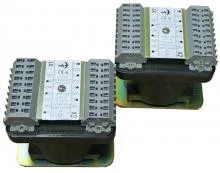
Трансформатор  СТС-7 Т2.
коротко о товаре
  • Марка
    МЭТЗ (Беларусь)
  • Назначение

    Трансформатор силовой - служит для преобразования электрической энергии одного напряжения в энергию другого напряжения. Является основным оборудованием электрических подстанций.

    Трансформатор для прогрева бетона и грунта - предназначен для электропрогрева и других способов электротермообработки смеси и замерзшего грунта с автоматическим регулированием температуры, в условиях строительных площадок. К данным трансформаторам присоединяется нагревательный провод ПНСВ, проложенный внутри бетона, по которому подается электрический ток, преобразующийся в температуру, доходящую до +80 градусов.

    Трансформаторные подстанции - электроустановка, предназначенная для приема, преобразования (повышения или понижения) напряжения в сети переменного тока и распределения электроэнергии. Состоит из силовых трансформаторов, распределительного устройства, устройства автоматического управления и защиты, а также вспомогательных сооружений.

    Трансформаторы тока - предназначен для регулировки тока

    Трансформаторы напряжения - предназначен для регулировки напряжения

    Трансформатор понижающий - многоцелевые трансформаторы небольших габаритов

    Трансформатор разделительный - первичная обмотка отделена от вторичных обмоток при помощи защитного электрического разделения цепей: двойной или усиленной изоляции, или основной изоляции и защитного экрана. Применение такого подключения электроприемника существенно снижает вероятность поражения электрическим током

    Тороидальный трансформатор представляет собой высокоэффективный трансформатор, который легче и меньше, чем альтернативные трансформаторы такой же мощности. Применение тороидальных трансформаторов позволяет уменьшить массу и габариты изделий, повысить КПД, увеличить плотность монтажа

    Назначение
    Трансформатор понижающий многофунциональный
  • СерияСТ, СОБС, СОС, СТС, ОСС
  • Номинальная мощность
    Номинальная мощность трансформатора представляет собой значение полной мощности трансформатора на основном ответвлении, гарантированное заводом-изготовителем в номинальных условиях охлаждающей среды при номинальном напряжении и номинальной частоте.
    Номинальная мощность
    0.0231 кВА
  • все товары МЭТЗ (Беларусь)
цену уточняйте
Как отправить запрос, уточнить цену и получить предложение?
  • 1 Нажмите на кнопку "Отправить запрос"
  • 2 В открывшейся форме укажите контактные данные и отправьте предварительную заявку
  • 3 Поставщик уточнит детали и предоставит предложение на поставку товара
  • 4 Вы можете принять предложение или выбрать другого поставщика
ГК Новые технологии Казань показать телефон
<
>
Безналичный расчет, Банковский перевод подробнее
Транспотрная компания подробнее
Чтобы купить Трансформатор СТС-7 Т2, вам нужно отправить запрос или связаться с поставщиком.
  • Характеристики
  • Поставщики
  • Описание
  • Отзывы (2492)
Характеристики

ВСЕ ХАРАКТЕРИСТИКИ ТОВАРА Трансформатор СТС-7 Т2

Характеристика Значение
Марка
МЭТЗ (Беларусь)
Назначение

Трансформатор силовой - служит для преобразования электрической энергии одного напряжения в энергию другого напряжения. Является основным оборудованием электрических подстанций.

Трансформатор для прогрева бетона и грунта - предназначен для электропрогрева и других способов электротермообработки смеси и замерзшего грунта с автоматическим регулированием температуры, в условиях строительных площадок. К данным трансформаторам присоединяется нагревательный провод ПНСВ, проложенный внутри бетона, по которому подается электрический ток, преобразующийся в температуру, доходящую до +80 градусов.

Трансформаторные подстанции - электроустановка, предназначенная для приема, преобразования (повышения или понижения) напряжения в сети переменного тока и распределения электроэнергии. Состоит из силовых трансформаторов, распределительного устройства, устройства автоматического управления и защиты, а также вспомогательных сооружений.

Трансформаторы тока - предназначен для регулировки тока

Трансформаторы напряжения - предназначен для регулировки напряжения

Трансформатор понижающий - многоцелевые трансформаторы небольших габаритов

Трансформатор разделительный - первичная обмотка отделена от вторичных обмоток при помощи защитного электрического разделения цепей: двойной или усиленной изоляции, или основной изоляции и защитного экрана. Применение такого подключения электроприемника существенно снижает вероятность поражения электрическим током

Тороидальный трансформатор представляет собой высокоэффективный трансформатор, который легче и меньше, чем альтернативные трансформаторы такой же мощности. Применение тороидальных трансформаторов позволяет уменьшить массу и габариты изделий, повысить КПД, увеличить плотность монтажа

Назначение
Трансформатор понижающий многофунциональный
Серия СТ, СОБС, СОС, СТС, ОСС
Номинальная мощность
Номинальная мощность трансформатора представляет собой значение полной мощности трансформатора на основном ответвлении, гарантированное заводом-изготовителем в номинальных условиях охлаждающей среды при номинальном напряжении и номинальной частоте.
Номинальная мощность
0.0231 кВА
Номинальное высшее напряжение

Номинальное напряжение первичной обмотки при холостом ходе трансформатора

Номинальное высшее напряжение
200 В
Номинальное низшее напряжение

Номинальное напряжение вторичной обмотки при холостом ходе трансформатора

Номинальное низшее напряжение
24 В
Количество фаз
В обычных сетях применяются однофазные трансформаторы, в сетях на три провода (фаза, ноль, заземление) нужен трехфазный трансформатор.
Количество фаз
Однофазный
Тип диэлектрика трансформатора
По типу охлаждения устройства делятся на две категории – силовые сухие трансформаторы (с воздушным охлаждением) и силовые масляные трансформаторы
Тип диэлектрика трансформатора
Сухой
Характеристика Значение
Частота 50 Гц
Степень защиты
Маркировка степени защиты оболочки электрооборудования осуществляется при помощи международного знака защиты (IP) и двух цифр, первая из которых означает защиту от попадания твёрдых предметов, вторая — от проникновения воды. IP00 - защита отсутствует. IP65 - пыленепроницаемое, с защитой от водяных струй с любого направления
Степень защиты
IP20
Масса полная
Для трансформатора - полная масса трансформатора, с учетом массы масла. Для КТП - полная масса КТП, без учета массы трансформаторов
Масса полная
0.95 кг
Климатическое исполнение и категория размещения
Климатическое исполнение — как правило, указывается в последней группе знаков обозначений технических устройств. Буквенная часть обозначает климатическую зону. Следующая за буквенной цифровая часть означает категорию размещения.
Климатическое исполнение и категория размещения
Т2
Габариты, длина 91 мм
Габариты, ширина 76 мм
Габариты, высота 92 мм
Гарантия 36 мес.
Поставщики
МЭТЗ показать телефон Россия цену уточняйте
Как отправить запрос, уточнить цену и получить предложение?
  • 1 Нажмите на кнопку "Отправить запрос"
  • 2 В открывшейся форме укажите контактные данные и отправьте предварительную заявку
  • 3 Поставщик уточнит детали и предоставит предложение на поставку товара
  • 4 Вы можете принять предложение или выбрать другого поставщика
Описание
описание

Трансформаторы СТС (сигнальные трансформаторы светодиодных светофоров) предназначены для электропитания светодиодных светофоров микропроцессорных систем железнодорожной автоматики.

Трансформаторы соответствует требованиям СТБ МЭК 61558-2-6 ГОСТ 15963-79.

Вид климатического исполнения – Т2 по ГОСТ 15150-69.

Температура окружающего воздуха от минус 40 С до плюс 70 С.

Номинальные рабочие значения механических внешних воздействующих факторов – ГОСТ 30631-99 для групп механического исполнения М6 при установке в любом рабочем положении.

Трансформаторы предназначены для работы в продолжительном режиме.

Исполнение трансформаторов по условиям установки на месте работы – встраиваемые, стационарные.

В соответствии с требованиями электромагнитной совместимости
трансформаторы могут применяться в окружающей обстановке 1 – среде, характерной для оборудования, устанавливаемого в жилых, коммерческих зданиях или зданиях лёгкой промышленности, предназначенного для непосредственного подключения к низковольтным электрическим сетям общего пользования.

Класс нагревостойкости изоляции – В по ГОСТ 8865-83.

По способу защиты от поражения электрическим током трансформаторы относятся к классу II по ГОСТ 12.2.007.0-75 и имеют степень защиты IP20 по ГОСТ 14254-96.
Корректированный уровень звуковой мощности трансформаторов не должен превышать 20 дБА как при холостом ходе, так и при номинальной нагрузке.

Отзывы (2492)
Трансформатор СТС-7 Т2

Medical staff on the front line of the battle against mpox in eastern Democratic Republic of Congo have told the BBC they are desperate for vaccines to arrive so they can stem the rate of new infections. blacksprut At a treatment centre in South Kivu province that the BBC visited in the epicentre of the outbreak, they say more patients are arriving every day - especially babies - and there is a shortage of essential equipment. blacksprut2rprrt3aoigwh7zftiprzqyqynzz2eiimmwmykw7wkpyad.onion https://bsp2web.net Mpox - formerly known as monkeypox - is a highly contagious disease and has killed at least 635 people in DR Congo this year. Even though 200,000 vaccines, donated by the European Commission, were flown into the capital, Kinshasa, last week, they are yet to be transported across this vast country - and it could be several weeks before they reach South Kivu. “We've learned from social media that the vaccine is already available,” Emmanuel Fikiri, a nurse working at the clinic that has been turned into a specialist centre to tackle the virus, told the BBC. He said this was the first time he had treated patients with mpox and every day he feared catching it and passing it on to his own children - aged seven, five and one. “You saw how I touched the patients because that's my job as a nurse. So, we're asking the government to help us by first giving us the vaccines.” The reason it will take time to transport the vaccines is that they need to be stored at a precise temperature - below freezing - to maintain their potency, plus they need to be sent to rural areas of South Kivu, like Kamituga, Kavumu and Lwiro, where the outbreak is rife. The lack of infrastructure and bad roads mean that helicopters could possibly be used to drop some of the vaccines, which will further drive up costs in a country that is already struggling financially. At the community clinic, Dr Pacifique Karanzo appeared fatigued and downbeat having been rushed off his feet all morning. Although he wore a face shield, I could see the sweat running down his face. He said he was saddened to see patients sharing beds. “You will even see that the patients are sleeping on the floor,” he told me, clearly exasperated. “The only support we have already had is a little medicine for the patients and water. As far as other challenges are concerned, there's still no staff motivation.” блэкспрут

Medical staff on the front line of the battle against mpox in eastern Democratic Republic of Congo have told the BBC they are desperate for vaccines to arrive so they can stem the rate of new infections. blacksprut At a treatment centre in South Kivu province that the BBC visited in the epicentre of the outbreak, they say more patients are arriving every day - especially babies - and there is a shortage of essential equipment. blacksprut2rprrt3aoigwh7zftiprzqyqynzz2eiimmwmykw7wkpyad.onion https://bsp2web.net Mpox - formerly known as monkeypox - is a highly contagious disease and has killed at least 635 people in DR Congo this year. Even though 200,000 vaccines, donated by the European Commission, were flown into the capital, Kinshasa, last week, they are yet to be transported across this vast country - and it could be several weeks before they reach South Kivu. “We've learned from social media that the vaccine is already available,” Emmanuel Fikiri, a nurse working at the clinic that has been turned into a specialist centre to tackle the virus, told the BBC. He said this was the first time he had treated patients with mpox and every day he feared catching it and passing it on to his own children - aged seven, five and one. “You saw how I touched the patients because that's my job as a nurse. So, we're asking the government to help us by first giving us the vaccines.” The reason it will take time to transport the vaccines is that they need to be stored at a precise temperature - below freezing - to maintain their potency, plus they need to be sent to rural areas of South Kivu, like Kamituga, Kavumu and Lwiro, where the outbreak is rife. The lack of infrastructure and bad roads mean that helicopters could possibly be used to drop some of the vaccines, which will further drive up costs in a country that is already struggling financially. At the community clinic, Dr Pacifique Karanzo appeared fatigued and downbeat having been rushed off his feet all morning. Although he wore a face shield, I could see the sweat running down his face. He said he was saddened to see patients sharing beds. “You will even see that the patients are sleeping on the floor,” he told me, clearly exasperated. “The only support we have already had is a little medicine for the patients and water. As far as other challenges are concerned, there's still no staff motivation.” блэкспрут

Medical staff on the front line of the battle against mpox in eastern Democratic Republic of Congo have told the BBC they are desperate for vaccines to arrive so they can stem the rate of new infections. blacksprut At a treatment centre in South Kivu province that the BBC visited in the epicentre of the outbreak, they say more patients are arriving every day - especially babies - and there is a shortage of essential equipment. blacksprut2rprrt3aoigwh7zftiprzqyqynzz2eiimmwmykw7wkpyad.onion https://bsp2web.net Mpox - formerly known as monkeypox - is a highly contagious disease and has killed at least 635 people in DR Congo this year. Even though 200,000 vaccines, donated by the European Commission, were flown into the capital, Kinshasa, last week, they are yet to be transported across this vast country - and it could be several weeks before they reach South Kivu. “We've learned from social media that the vaccine is already available,” Emmanuel Fikiri, a nurse working at the clinic that has been turned into a specialist centre to tackle the virus, told the BBC. He said this was the first time he had treated patients with mpox and every day he feared catching it and passing it on to his own children - aged seven, five and one. “You saw how I touched the patients because that's my job as a nurse. So, we're asking the government to help us by first giving us the vaccines.” The reason it will take time to transport the vaccines is that they need to be stored at a precise temperature - below freezing - to maintain their potency, plus they need to be sent to rural areas of South Kivu, like Kamituga, Kavumu and Lwiro, where the outbreak is rife. The lack of infrastructure and bad roads mean that helicopters could possibly be used to drop some of the vaccines, which will further drive up costs in a country that is already struggling financially. At the community clinic, Dr Pacifique Karanzo appeared fatigued and downbeat having been rushed off his feet all morning. Although he wore a face shield, I could see the sweat running down his face. He said he was saddened to see patients sharing beds. “You will even see that the patients are sleeping on the floor,” he told me, clearly exasperated. “The only support we have already had is a little medicine for the patients and water. As far as other challenges are concerned, there's still no staff motivation.” блэкспрут

Трансформатор СТС-7 Т2

Medical staff on the front line of the battle against mpox in eastern Democratic Republic of Congo have told the BBC they are desperate for vaccines to arrive so they can stem the rate of new infections. блэкспрут At a treatment centre in South Kivu province that the BBC visited in the epicentre of the outbreak, they say more patients are arriving every day - especially babies - and there is a shortage of essential equipment. blackspruty4w3j4bzyhlk24jr32wbpnfo3oyywn4ckwylo4hkcyy4yd.onion https://blacksprutbsgl.net Mpox - formerly known as monkeypox - is a highly contagious disease and has killed at least 635 people in DR Congo this year. Even though 200,000 vaccines, donated by the European Commission, were flown into the capital, Kinshasa, last week, they are yet to be transported across this vast country - and it could be several weeks before they reach South Kivu. “We've learned from social media that the vaccine is already available,” Emmanuel Fikiri, a nurse working at the clinic that has been turned into a specialist centre to tackle the virus, told the BBC. He said this was the first time he had treated patients with mpox and every day he feared catching it and passing it on to his own children - aged seven, five and one. “You saw how I touched the patients because that's my job as a nurse. So, we're asking the government to help us by first giving us the vaccines.” The reason it will take time to transport the vaccines is that they need to be stored at a precise temperature - below freezing - to maintain their potency, plus they need to be sent to rural areas of South Kivu, like Kamituga, Kavumu and Lwiro, where the outbreak is rife. The lack of infrastructure and bad roads mean that helicopters could possibly be used to drop some of the vaccines, which will further drive up costs in a country that is already struggling financially. At the community clinic, Dr Pacifique Karanzo appeared fatigued and downbeat having been rushed off his feet all morning. Although he wore a face shield, I could see the sweat running down his face. He said he was saddened to see patients sharing beds. “You will even see that the patients are sleeping on the floor,” he told me, clearly exasperated. “The only support we have already had is a little medicine for the patients and water. As far as other challenges are concerned, there's still no staff motivation.” зеркала блэк СЃРїСЂСѓС‚

Medical staff on the front line of the battle against mpox in eastern Democratic Republic of Congo have told the BBC they are desperate for vaccines to arrive so they can stem the rate of new infections. блэкспрут At a treatment centre in South Kivu province that the BBC visited in the epicentre of the outbreak, they say more patients are arriving every day - especially babies - and there is a shortage of essential equipment. blackspruty4w3j4bzyhlk24jr32wbpnfo3oyywn4ckwylo4hkcyy4yd.onion https://blacksprutbsgl.net Mpox - formerly known as monkeypox - is a highly contagious disease and has killed at least 635 people in DR Congo this year. Even though 200,000 vaccines, donated by the European Commission, were flown into the capital, Kinshasa, last week, they are yet to be transported across this vast country - and it could be several weeks before they reach South Kivu. “We've learned from social media that the vaccine is already available,” Emmanuel Fikiri, a nurse working at the clinic that has been turned into a specialist centre to tackle the virus, told the BBC. He said this was the first time he had treated patients with mpox and every day he feared catching it and passing it on to his own children - aged seven, five and one. “You saw how I touched the patients because that's my job as a nurse. So, we're asking the government to help us by first giving us the vaccines.” The reason it will take time to transport the vaccines is that they need to be stored at a precise temperature - below freezing - to maintain their potency, plus they need to be sent to rural areas of South Kivu, like Kamituga, Kavumu and Lwiro, where the outbreak is rife. The lack of infrastructure and bad roads mean that helicopters could possibly be used to drop some of the vaccines, which will further drive up costs in a country that is already struggling financially. At the community clinic, Dr Pacifique Karanzo appeared fatigued and downbeat having been rushed off his feet all morning. Although he wore a face shield, I could see the sweat running down his face. He said he was saddened to see patients sharing beds. “You will even see that the patients are sleeping on the floor,” he told me, clearly exasperated. “The only support we have already had is a little medicine for the patients and water. As far as other challenges are concerned, there's still no staff motivation.” зеркала блэк СЃРїСЂСѓС‚

Medical staff on the front line of the battle against mpox in eastern Democratic Republic of Congo have told the BBC they are desperate for vaccines to arrive so they can stem the rate of new infections. блэкспрут At a treatment centre in South Kivu province that the BBC visited in the epicentre of the outbreak, they say more patients are arriving every day - especially babies - and there is a shortage of essential equipment. blackspruty4w3j4bzyhlk24jr32wbpnfo3oyywn4ckwylo4hkcyy4yd.onion https://blacksprutbsgl.net Mpox - formerly known as monkeypox - is a highly contagious disease and has killed at least 635 people in DR Congo this year. Even though 200,000 vaccines, donated by the European Commission, were flown into the capital, Kinshasa, last week, they are yet to be transported across this vast country - and it could be several weeks before they reach South Kivu. “We've learned from social media that the vaccine is already available,” Emmanuel Fikiri, a nurse working at the clinic that has been turned into a specialist centre to tackle the virus, told the BBC. He said this was the first time he had treated patients with mpox and every day he feared catching it and passing it on to his own children - aged seven, five and one. “You saw how I touched the patients because that's my job as a nurse. So, we're asking the government to help us by first giving us the vaccines.” The reason it will take time to transport the vaccines is that they need to be stored at a precise temperature - below freezing - to maintain their potency, plus they need to be sent to rural areas of South Kivu, like Kamituga, Kavumu and Lwiro, where the outbreak is rife. The lack of infrastructure and bad roads mean that helicopters could possibly be used to drop some of the vaccines, which will further drive up costs in a country that is already struggling financially. At the community clinic, Dr Pacifique Karanzo appeared fatigued and downbeat having been rushed off his feet all morning. Although he wore a face shield, I could see the sweat running down his face. He said he was saddened to see patients sharing beds. “You will even see that the patients are sleeping on the floor,” he told me, clearly exasperated. “The only support we have already had is a little medicine for the patients and water. As far as other challenges are concerned, there's still no staff motivation.” зеркала блэк СЃРїСЂСѓС‚

Трансформатор СТС-7 Т2

Medical staff on the front line of the battle against mpox in eastern Democratic Republic of Congo have told the BBC they are desperate for vaccines to arrive so they can stem the rate of new infections. [url=https://bsp2web.com]зеркала блэк СЃРїСЂСѓС‚[/url] At a treatment centre in South Kivu province that the BBC visited in the epicentre of the outbreak, they say more patients are arriving every day - especially babies - and there is a shortage of essential equipment. блэк СЃРїСЂСѓС‚ официальный сайт https://clearbs2tor2.tech Mpox - formerly known as monkeypox - is a highly contagious disease and has killed at least 635 people in DR Congo this year. Even though 200,000 vaccines, donated by the European Commission, were flown into the capital, Kinshasa, last week, they are yet to be transported across this vast country - and it could be several weeks before they reach South Kivu. “We've learned from social media that the vaccine is already available,” Emmanuel Fikiri, a nurse working at the clinic that has been turned into a specialist centre to tackle the virus, told the BBC. He said this was the first time he had treated patients with mpox and every day he feared catching it and passing it on to his own children - aged seven, five and one. “You saw how I touched the patients because that's my job as a nurse. So, we're asking the government to help us by first giving us the vaccines.” The reason it will take time to transport the vaccines is that they need to be stored at a precise temperature - below freezing - to maintain their potency, plus they need to be sent to rural areas of South Kivu, like Kamituga, Kavumu and Lwiro, where the outbreak is rife. The lack of infrastructure and bad roads mean that helicopters could possibly be used to drop some of the vaccines, which will further drive up costs in a country that is already struggling financially. At the community clinic, Dr Pacifique Karanzo appeared fatigued and downbeat having been rushed off his feet all morning. Although he wore a face shield, I could see the sweat running down his face. He said he was saddened to see patients sharing beds. “You will even see that the patients are sleeping on the floor,” he told me, clearly exasperated. “The only support we have already had is a little medicine for the patients and water. As far as other challenges are concerned, there's still no staff motivation.” [url=https://bls2site.at]СЃРїСЂСѓС‚ onion[/url]

Medical staff on the front line of the battle against mpox in eastern Democratic Republic of Congo have told the BBC they are desperate for vaccines to arrive so they can stem the rate of new infections. [url=https://bsp2web.com]зеркала блэк СЃРїСЂСѓС‚[/url] At a treatment centre in South Kivu province that the BBC visited in the epicentre of the outbreak, they say more patients are arriving every day - especially babies - and there is a shortage of essential equipment. блэк СЃРїСЂСѓС‚ официальный сайт https://clearbs2tor2.tech Mpox - formerly known as monkeypox - is a highly contagious disease and has killed at least 635 people in DR Congo this year. Even though 200,000 vaccines, donated by the European Commission, were flown into the capital, Kinshasa, last week, they are yet to be transported across this vast country - and it could be several weeks before they reach South Kivu. “We've learned from social media that the vaccine is already available,” Emmanuel Fikiri, a nurse working at the clinic that has been turned into a specialist centre to tackle the virus, told the BBC. He said this was the first time he had treated patients with mpox and every day he feared catching it and passing it on to his own children - aged seven, five and one. “You saw how I touched the patients because that's my job as a nurse. So, we're asking the government to help us by first giving us the vaccines.” The reason it will take time to transport the vaccines is that they need to be stored at a precise temperature - below freezing - to maintain their potency, plus they need to be sent to rural areas of South Kivu, like Kamituga, Kavumu and Lwiro, where the outbreak is rife. The lack of infrastructure and bad roads mean that helicopters could possibly be used to drop some of the vaccines, which will further drive up costs in a country that is already struggling financially. At the community clinic, Dr Pacifique Karanzo appeared fatigued and downbeat having been rushed off his feet all morning. Although he wore a face shield, I could see the sweat running down his face. He said he was saddened to see patients sharing beds. “You will even see that the patients are sleeping on the floor,” he told me, clearly exasperated. “The only support we have already had is a little medicine for the patients and water. As far as other challenges are concerned, there's still no staff motivation.” [url=https://bls2site.at]СЃРїСЂСѓС‚ onion[/url]

Medical staff on the front line of the battle against mpox in eastern Democratic Republic of Congo have told the BBC they are desperate for vaccines to arrive so they can stem the rate of new infections. [url=https://bsp2web.com]зеркала блэк СЃРїСЂСѓС‚[/url] At a treatment centre in South Kivu province that the BBC visited in the epicentre of the outbreak, they say more patients are arriving every day - especially babies - and there is a shortage of essential equipment. блэк СЃРїСЂСѓС‚ официальный сайт https://clearbs2tor2.tech Mpox - formerly known as monkeypox - is a highly contagious disease and has killed at least 635 people in DR Congo this year. Even though 200,000 vaccines, donated by the European Commission, were flown into the capital, Kinshasa, last week, they are yet to be transported across this vast country - and it could be several weeks before they reach South Kivu. “We've learned from social media that the vaccine is already available,” Emmanuel Fikiri, a nurse working at the clinic that has been turned into a specialist centre to tackle the virus, told the BBC. He said this was the first time he had treated patients with mpox and every day he feared catching it and passing it on to his own children - aged seven, five and one. “You saw how I touched the patients because that's my job as a nurse. So, we're asking the government to help us by first giving us the vaccines.” The reason it will take time to transport the vaccines is that they need to be stored at a precise temperature - below freezing - to maintain their potency, plus they need to be sent to rural areas of South Kivu, like Kamituga, Kavumu and Lwiro, where the outbreak is rife. The lack of infrastructure and bad roads mean that helicopters could possibly be used to drop some of the vaccines, which will further drive up costs in a country that is already struggling financially. At the community clinic, Dr Pacifique Karanzo appeared fatigued and downbeat having been rushed off his feet all morning. Although he wore a face shield, I could see the sweat running down his face. He said he was saddened to see patients sharing beds. “You will even see that the patients are sleeping on the floor,” he told me, clearly exasperated. “The only support we have already had is a little medicine for the patients and water. As far as other challenges are concerned, there's still no staff motivation.” [url=https://bls2site.at]СЃРїСЂСѓС‚ onion[/url]

Трансформатор СТС-7 Т2

Medical staff on the front line of the battle against mpox in eastern Democratic Republic of Congo have told the BBC they are desperate for vaccines to arrive so they can stem the rate of new infections. [url=https://2bssc.com]blacksprut[/url] At a treatment centre in South Kivu province that the BBC visited in the epicentre of the outbreak, they say more patients are arriving every day - especially babies - and there is a shortage of essential equipment. blacksprut площадка https://www.bs2site2-at.com Mpox - formerly known as monkeypox - is a highly contagious disease and has killed at least 635 people in DR Congo this year. Even though 200,000 vaccines, donated by the European Commission, were flown into the capital, Kinshasa, last week, they are yet to be transported across this vast country - and it could be several weeks before they reach South Kivu. “We've learned from social media that the vaccine is already available,” Emmanuel Fikiri, a nurse working at the clinic that has been turned into a specialist centre to tackle the virus, told the BBC. He said this was the first time he had treated patients with mpox and every day he feared catching it and passing it on to his own children - aged seven, five and one. “You saw how I touched the patients because that's my job as a nurse. So, we're asking the government to help us by first giving us the vaccines.” The reason it will take time to transport the vaccines is that they need to be stored at a precise temperature - below freezing - to maintain their potency, plus they need to be sent to rural areas of South Kivu, like Kamituga, Kavumu and Lwiro, where the outbreak is rife. The lack of infrastructure and bad roads mean that helicopters could possibly be used to drop some of the vaccines, which will further drive up costs in a country that is already struggling financially. At the community clinic, Dr Pacifique Karanzo appeared fatigued and downbeat having been rushed off his feet all morning. Although he wore a face shield, I could see the sweat running down his face. He said he was saddened to see patients sharing beds. “You will even see that the patients are sleeping on the floor,” he told me, clearly exasperated. “The only support we have already had is a little medicine for the patients and water. As far as other challenges are concerned, there's still no staff motivation.” [url=https://www.bst.gl]блэк СЃРїСЂСѓС‚ ссылка[/url]

Medical staff on the front line of the battle against mpox in eastern Democratic Republic of Congo have told the BBC they are desperate for vaccines to arrive so they can stem the rate of new infections. [url=https://2bssc.com]blacksprut[/url] At a treatment centre in South Kivu province that the BBC visited in the epicentre of the outbreak, they say more patients are arriving every day - especially babies - and there is a shortage of essential equipment. blacksprut площадка https://www.bs2site2-at.com Mpox - formerly known as monkeypox - is a highly contagious disease and has killed at least 635 people in DR Congo this year. Even though 200,000 vaccines, donated by the European Commission, were flown into the capital, Kinshasa, last week, they are yet to be transported across this vast country - and it could be several weeks before they reach South Kivu. “We've learned from social media that the vaccine is already available,” Emmanuel Fikiri, a nurse working at the clinic that has been turned into a specialist centre to tackle the virus, told the BBC. He said this was the first time he had treated patients with mpox and every day he feared catching it and passing it on to his own children - aged seven, five and one. “You saw how I touched the patients because that's my job as a nurse. So, we're asking the government to help us by first giving us the vaccines.” The reason it will take time to transport the vaccines is that they need to be stored at a precise temperature - below freezing - to maintain their potency, plus they need to be sent to rural areas of South Kivu, like Kamituga, Kavumu and Lwiro, where the outbreak is rife. The lack of infrastructure and bad roads mean that helicopters could possibly be used to drop some of the vaccines, which will further drive up costs in a country that is already struggling financially. At the community clinic, Dr Pacifique Karanzo appeared fatigued and downbeat having been rushed off his feet all morning. Although he wore a face shield, I could see the sweat running down his face. He said he was saddened to see patients sharing beds. “You will even see that the patients are sleeping on the floor,” he told me, clearly exasperated. “The only support we have already had is a little medicine for the patients and water. As far as other challenges are concerned, there's still no staff motivation.” [url=https://www.bst.gl]блэк СЃРїСЂСѓС‚ ссылка[/url]

Medical staff on the front line of the battle against mpox in eastern Democratic Republic of Congo have told the BBC they are desperate for vaccines to arrive so they can stem the rate of new infections. [url=https://2bssc.com]blacksprut[/url] At a treatment centre in South Kivu province that the BBC visited in the epicentre of the outbreak, they say more patients are arriving every day - especially babies - and there is a shortage of essential equipment. blacksprut площадка https://www.bs2site2-at.com Mpox - formerly known as monkeypox - is a highly contagious disease and has killed at least 635 people in DR Congo this year. Even though 200,000 vaccines, donated by the European Commission, were flown into the capital, Kinshasa, last week, they are yet to be transported across this vast country - and it could be several weeks before they reach South Kivu. “We've learned from social media that the vaccine is already available,” Emmanuel Fikiri, a nurse working at the clinic that has been turned into a specialist centre to tackle the virus, told the BBC. He said this was the first time he had treated patients with mpox and every day he feared catching it and passing it on to his own children - aged seven, five and one. “You saw how I touched the patients because that's my job as a nurse. So, we're asking the government to help us by first giving us the vaccines.” The reason it will take time to transport the vaccines is that they need to be stored at a precise temperature - below freezing - to maintain their potency, plus they need to be sent to rural areas of South Kivu, like Kamituga, Kavumu and Lwiro, where the outbreak is rife. The lack of infrastructure and bad roads mean that helicopters could possibly be used to drop some of the vaccines, which will further drive up costs in a country that is already struggling financially. At the community clinic, Dr Pacifique Karanzo appeared fatigued and downbeat having been rushed off his feet all morning. Although he wore a face shield, I could see the sweat running down his face. He said he was saddened to see patients sharing beds. “You will even see that the patients are sleeping on the floor,” he told me, clearly exasperated. “The only support we have already had is a little medicine for the patients and water. As far as other challenges are concerned, there's still no staff motivation.” [url=https://www.bst.gl]блэк СЃРїСЂСѓС‚ ссылка[/url]

Трансформатор СТС-7 Т2

Medical staff on the front line of the battle against mpox in eastern Democratic Republic of Congo have told the BBC they are desperate for vaccines to arrive so they can stem the rate of new infections. [url=https://bs2tor2.info]СЃРїСЂСѓС‚[/url] At a treatment centre in South Kivu province that the BBC visited in the epicentre of the outbreak, they say more patients are arriving every day - especially babies - and there is a shortage of essential equipment. bs2site2.at https://clear-bs2tor2.net Mpox - formerly known as monkeypox - is a highly contagious disease and has killed at least 635 people in DR Congo this year. Even though 200,000 vaccines, donated by the European Commission, were flown into the capital, Kinshasa, last week, they are yet to be transported across this vast country - and it could be several weeks before they reach South Kivu. “We've learned from social media that the vaccine is already available,” Emmanuel Fikiri, a nurse working at the clinic that has been turned into a specialist centre to tackle the virus, told the BBC. He said this was the first time he had treated patients with mpox and every day he feared catching it and passing it on to his own children - aged seven, five and one. “You saw how I touched the patients because that's my job as a nurse. So, we're asking the government to help us by first giving us the vaccines.” The reason it will take time to transport the vaccines is that they need to be stored at a precise temperature - below freezing - to maintain their potency, plus they need to be sent to rural areas of South Kivu, like Kamituga, Kavumu and Lwiro, where the outbreak is rife. The lack of infrastructure and bad roads mean that helicopters could possibly be used to drop some of the vaccines, which will further drive up costs in a country that is already struggling financially. At the community clinic, Dr Pacifique Karanzo appeared fatigued and downbeat having been rushed off his feet all morning. Although he wore a face shield, I could see the sweat running down his face. He said he was saddened to see patients sharing beds. “You will even see that the patients are sleeping on the floor,” he told me, clearly exasperated. “The only support we have already had is a little medicine for the patients and water. As far as other challenges are concerned, there's still no staff motivation.” [url=https://bsbot.info]сайт СЃРїСЂСѓС‚[/url]

Medical staff on the front line of the battle against mpox in eastern Democratic Republic of Congo have told the BBC they are desperate for vaccines to arrive so they can stem the rate of new infections. [url=https://bs2tor2.info]СЃРїСЂСѓС‚[/url] At a treatment centre in South Kivu province that the BBC visited in the epicentre of the outbreak, they say more patients are arriving every day - especially babies - and there is a shortage of essential equipment. bs2site2.at https://clear-bs2tor2.net Mpox - formerly known as monkeypox - is a highly contagious disease and has killed at least 635 people in DR Congo this year. Even though 200,000 vaccines, donated by the European Commission, were flown into the capital, Kinshasa, last week, they are yet to be transported across this vast country - and it could be several weeks before they reach South Kivu. “We've learned from social media that the vaccine is already available,” Emmanuel Fikiri, a nurse working at the clinic that has been turned into a specialist centre to tackle the virus, told the BBC. He said this was the first time he had treated patients with mpox and every day he feared catching it and passing it on to his own children - aged seven, five and one. “You saw how I touched the patients because that's my job as a nurse. So, we're asking the government to help us by first giving us the vaccines.” The reason it will take time to transport the vaccines is that they need to be stored at a precise temperature - below freezing - to maintain their potency, plus they need to be sent to rural areas of South Kivu, like Kamituga, Kavumu and Lwiro, where the outbreak is rife. The lack of infrastructure and bad roads mean that helicopters could possibly be used to drop some of the vaccines, which will further drive up costs in a country that is already struggling financially. At the community clinic, Dr Pacifique Karanzo appeared fatigued and downbeat having been rushed off his feet all morning. Although he wore a face shield, I could see the sweat running down his face. He said he was saddened to see patients sharing beds. “You will even see that the patients are sleeping on the floor,” he told me, clearly exasperated. “The only support we have already had is a little medicine for the patients and water. As far as other challenges are concerned, there's still no staff motivation.” [url=https://bsbot.info]сайт СЃРїСЂСѓС‚[/url]

Medical staff on the front line of the battle against mpox in eastern Democratic Republic of Congo have told the BBC they are desperate for vaccines to arrive so they can stem the rate of new infections. [url=https://bs2tor2.info]СЃРїСЂСѓС‚[/url] At a treatment centre in South Kivu province that the BBC visited in the epicentre of the outbreak, they say more patients are arriving every day - especially babies - and there is a shortage of essential equipment. bs2site2.at https://clear-bs2tor2.net Mpox - formerly known as monkeypox - is a highly contagious disease and has killed at least 635 people in DR Congo this year. Even though 200,000 vaccines, donated by the European Commission, were flown into the capital, Kinshasa, last week, they are yet to be transported across this vast country - and it could be several weeks before they reach South Kivu. “We've learned from social media that the vaccine is already available,” Emmanuel Fikiri, a nurse working at the clinic that has been turned into a specialist centre to tackle the virus, told the BBC. He said this was the first time he had treated patients with mpox and every day he feared catching it and passing it on to his own children - aged seven, five and one. “You saw how I touched the patients because that's my job as a nurse. So, we're asking the government to help us by first giving us the vaccines.” The reason it will take time to transport the vaccines is that they need to be stored at a precise temperature - below freezing - to maintain their potency, plus they need to be sent to rural areas of South Kivu, like Kamituga, Kavumu and Lwiro, where the outbreak is rife. The lack of infrastructure and bad roads mean that helicopters could possibly be used to drop some of the vaccines, which will further drive up costs in a country that is already struggling financially. At the community clinic, Dr Pacifique Karanzo appeared fatigued and downbeat having been rushed off his feet all morning. Although he wore a face shield, I could see the sweat running down his face. He said he was saddened to see patients sharing beds. “You will even see that the patients are sleeping on the floor,” he told me, clearly exasperated. “The only support we have already had is a little medicine for the patients and water. As far as other challenges are concerned, there's still no staff motivation.” [url=https://bsbot.info]сайт СЃРїСЂСѓС‚[/url]

Страницы

Похожие товары:
Трансформатор  СТС-7 Т2
Трансформатор СТС-6 Т2
Трансформатор  СТС-7 Т2
Трансформатор ОСС-0,04
Трансформатор  СТС-7 Т2
Трансформатор ОСС-0,25
Трансформатор  СТС-7 Т2
Трансформатор ОСС-0,16
Трансформатор  СТС-7 Т2
Трансформатор ОСС-0,1
Трансформатор  СТС-7 Т2
Трансформатор ОСС-0,063