Каталог
Сравнение

Сообщение об ошибке

  • Warning: fopen(/mnt/mopra/www/cache/sites_default_cache_form/form_form-9B7wxxKGZp9G8kw5kX5gpf94x5O20iO_JZxXKnvxvg8): failed to open stream: No space left on device в функции DrupalFileCache->set() (строка 341 в файле /mnt/mopra/www/src/sites/all/modules/filecache/filecache.inc).
  • Warning: fopen(/mnt/mopra/www/cache/sites_default_cache_form/form_state_form-9B7wxxKGZp9G8kw5kX5gpf94x5O20iO_JZxXKnvxvg8): failed to open stream: No space left on device в функции DrupalFileCache->set() (строка 341 в файле /mnt/mopra/www/src/sites/all/modules/filecache/filecache.inc).
  • Warning: fopen(/mnt/mopra/www/cache/sites_default_cache_form/form_form-EE98HLQM93iKpIlp0zxcKvYvAEyalydZNf__H2-WmLI): failed to open stream: No space left on device в функции DrupalFileCache->set() (строка 341 в файле /mnt/mopra/www/src/sites/all/modules/filecache/filecache.inc).
  • Warning: fopen(/mnt/mopra/www/cache/sites_default_cache_form/form_state_form-EE98HLQM93iKpIlp0zxcKvYvAEyalydZNf__H2-WmLI): failed to open stream: No space left on device в функции DrupalFileCache->set() (строка 341 в файле /mnt/mopra/www/src/sites/all/modules/filecache/filecache.inc).
  • Warning: fopen(/mnt/mopra/www/cache/sites_default_cache_form/form_form-O7mss64Jtx-Q_qB2t0t5tb8k8yDUkoMajtgia_8qBzQ): failed to open stream: No space left on device в функции DrupalFileCache->set() (строка 341 в файле /mnt/mopra/www/src/sites/all/modules/filecache/filecache.inc).
  • Warning: fopen(/mnt/mopra/www/cache/sites_default_cache_form/form_state_form-O7mss64Jtx-Q_qB2t0t5tb8k8yDUkoMajtgia_8qBzQ): failed to open stream: No space left on device в функции DrupalFileCache->set() (строка 341 в файле /mnt/mopra/www/src/sites/all/modules/filecache/filecache.inc).
  • Warning: fopen(/mnt/mopra/www/cache/sites_default_cache_form/form_form-uuI4UPD6MHLa0rdG-xYvXHik9RDdW9N2LRlm71W7otc): failed to open stream: No space left on device в функции DrupalFileCache->set() (строка 341 в файле /mnt/mopra/www/src/sites/all/modules/filecache/filecache.inc).
  • Warning: fopen(/mnt/mopra/www/cache/sites_default_cache_form/form_state_form-uuI4UPD6MHLa0rdG-xYvXHik9RDdW9N2LRlm71W7otc): failed to open stream: No space left on device в функции DrupalFileCache->set() (строка 341 в файле /mnt/mopra/www/src/sites/all/modules/filecache/filecache.inc).
  • Warning: fopen(/mnt/mopra/www/cache/sites_default_cache_form/form_form-2K7Vvnj86u_l_67_rL9giDQTKIYj-qoAzgJa4fdBfDs): failed to open stream: No space left on device в функции DrupalFileCache->set() (строка 341 в файле /mnt/mopra/www/src/sites/all/modules/filecache/filecache.inc).

Вы здесь

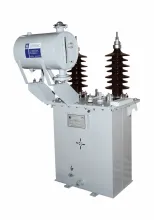
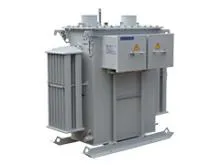
Трансформатор БирЗСТ ОМ-10,0-35/0,23.
коротко о товаре
  • Марка
    БИРЗСТ (Россия)
  • Назначение

    Трансформатор силовой - служит для преобразования электрической энергии одного напряжения в энергию другого напряжения. Является основным оборудованием электрических подстанций.

    Трансформатор для прогрева бетона и грунта - предназначен для электропрогрева и других способов электротермообработки смеси и замерзшего грунта с автоматическим регулированием температуры, в условиях строительных площадок. К данным трансформаторам присоединяется нагревательный провод ПНСВ, проложенный внутри бетона, по которому подается электрический ток, преобразующийся в температуру, доходящую до +80 градусов.

    Трансформаторные подстанции - электроустановка, предназначенная для приема, преобразования (повышения или понижения) напряжения в сети переменного тока и распределения электроэнергии. Состоит из силовых трансформаторов, распределительного устройства, устройства автоматического управления и защиты, а также вспомогательных сооружений.

    Трансформаторы тока - предназначен для регулировки тока

    Трансформаторы напряжения - предназначен для регулировки напряжения

    Трансформатор понижающий - многоцелевые трансформаторы небольших габаритов

    Трансформатор разделительный - первичная обмотка отделена от вторичных обмоток при помощи защитного электрического разделения цепей: двойной или усиленной изоляции, или основной изоляции и защитного экрана. Применение такого подключения электроприемника существенно снижает вероятность поражения электрическим током

    Тороидальный трансформатор представляет собой высокоэффективный трансформатор, который легче и меньше, чем альтернативные трансформаторы такой же мощности. Применение тороидальных трансформаторов позволяет уменьшить массу и габариты изделий, повысить КПД, увеличить плотность монтажа

    Назначение
    Трансформатор силовой
  • СерияОМ, ОМП, ОМГ, ОМЖ
  • Номинальная мощность
    Номинальная мощность трансформатора представляет собой значение полной мощности трансформатора на основном ответвлении, гарантированное заводом-изготовителем в номинальных условиях охлаждающей среды при номинальном напряжении и номинальной частоте.
    Номинальная мощность
    10 кВА
  • все товары БИРЗСТ (Россия)
цену уточняйте
Как отправить запрос, уточнить цену и получить предложение?
  • 1 Нажмите на кнопку "Отправить запрос"
  • 2 В открывшейся форме укажите контактные данные и отправьте предварительную заявку
  • 3 Поставщик уточнит детали и предоставит предложение на поставку товара
  • 4 Вы можете принять предложение или выбрать другого поставщика
ГК Новые технологии Казань показать телефон
<
>
Безналичный расчет, Банковский перевод подробнее
Транспотрная компания подробнее
Чтобы купить Трансформатор БирЗСТ ОМ-10,0-35/0,23, вам нужно отправить запрос или связаться с поставщиком.
  • Характеристики
  • Поставщики
  • Описание
  • Отзывы (26319)
Характеристики

ВСЕ ХАРАКТЕРИСТИКИ ТОВАРА Трансформатор БирЗСТ ОМ-10,0-35/0,23

Характеристика Значение
Марка
БИРЗСТ (Россия)
Назначение

Трансформатор силовой - служит для преобразования электрической энергии одного напряжения в энергию другого напряжения. Является основным оборудованием электрических подстанций.

Трансформатор для прогрева бетона и грунта - предназначен для электропрогрева и других способов электротермообработки смеси и замерзшего грунта с автоматическим регулированием температуры, в условиях строительных площадок. К данным трансформаторам присоединяется нагревательный провод ПНСВ, проложенный внутри бетона, по которому подается электрический ток, преобразующийся в температуру, доходящую до +80 градусов.

Трансформаторные подстанции - электроустановка, предназначенная для приема, преобразования (повышения или понижения) напряжения в сети переменного тока и распределения электроэнергии. Состоит из силовых трансформаторов, распределительного устройства, устройства автоматического управления и защиты, а также вспомогательных сооружений.

Трансформаторы тока - предназначен для регулировки тока

Трансформаторы напряжения - предназначен для регулировки напряжения

Трансформатор понижающий - многоцелевые трансформаторы небольших габаритов

Трансформатор разделительный - первичная обмотка отделена от вторичных обмоток при помощи защитного электрического разделения цепей: двойной или усиленной изоляции, или основной изоляции и защитного экрана. Применение такого подключения электроприемника существенно снижает вероятность поражения электрическим током

Тороидальный трансформатор представляет собой высокоэффективный трансформатор, который легче и меньше, чем альтернативные трансформаторы такой же мощности. Применение тороидальных трансформаторов позволяет уменьшить массу и габариты изделий, повысить КПД, увеличить плотность монтажа

Назначение
Трансформатор силовой
Серия ОМ, ОМП, ОМГ, ОМЖ
Номинальная мощность
Номинальная мощность трансформатора представляет собой значение полной мощности трансформатора на основном ответвлении, гарантированное заводом-изготовителем в номинальных условиях охлаждающей среды при номинальном напряжении и номинальной частоте.
Номинальная мощность
10 кВА
Номинальное высшее напряжение

Номинальное напряжение первичной обмотки при холостом ходе трансформатора

Номинальное высшее напряжение
35 кВ
Номинальное низшее напряжение

Номинальное напряжение вторичной обмотки при холостом ходе трансформатора

Номинальное низшее напряжение
0.23 кВ
Количество фаз
В обычных сетях применяются однофазные трансформаторы, в сетях на три провода (фаза, ноль, заземление) нужен трехфазный трансформатор.
Количество фаз
Однофазный
Тип диэлектрика трансформатора
По типу охлаждения устройства делятся на две категории – силовые сухие трансформаторы (с воздушным охлаждением) и силовые масляные трансформаторы
Тип диэлектрика трансформатора
Масляный
Схемы и группы соединений

Для двухобмоточных трансформаторов - в левой части числитель дроби указывает схему соединения обмоток высшего напряжения, знаменатель – низшего напряжения. Цифры в правой части – это часовое обозначение группы соединений (например, Д/Ун - 11). Где Y(У) – звезда, Yн(Y0) или Ун(У0) - звезда с выведенной нулевой точкой; Δ(Д или D) – треугольник; Z – зигзаг, Zн(Z0) – зигзаг с выведенной нулевой точкой. Применяется две группы соединений - 0 и 11.

Трехобмоточные трансформаторы обозначаются, например, Ун/У/Д-0-11

Схемы и группы соединений
1/1-0
Частота 50 Гц
Характеристика Значение
Ток холостого хода
Ток холостого хода характеризует активные и реактивные потери в стали и зависит от магнитных свойств стали, конструкции и качества сборки магнитопровода и от магнитной индукции. Ток холостого хода выражается в процентах номинального тока трансформатора
Ток холостого хода
5 %
Масса полная
Для трансформатора - полная масса трансформатора, с учетом массы масла. Для КТП - полная масса КТП, без учета массы трансформаторов
Масса полная
280 кг
Климатическое исполнение и категория размещения
Климатическое исполнение — как правило, указывается в последней группе знаков обозначений технических устройств. Буквенная часть обозначает климатическую зону. Следующая за буквенной цифровая часть означает категорию размещения.
Климатическое исполнение и категория размещения
У1; УХЛ1
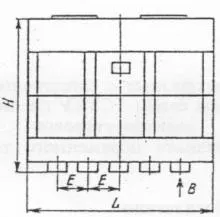
Габариты, длина 725 мм
Габариты, ширина 775 мм
Габариты, высота 1305 мм
Напряжение короткого замыкания
Напряжение КЗ определяет падение напряжения в трансформаторе, оно характеризует полное сопротивление обмоток трансформатора
Напряжение короткого замыкания
5.5 %
Потери короткого замыкания
Потери короткого замыкания определяют экономичность работы трансформатора. Потери КЗ состоят из потерь в обмотках при протекании по ним токов нагрузки и добавочных потерь в обмотках и конструкциях трансформатора
Потери короткого замыкания
290 Вт
Потери холостого хода
Потери холостого хода определяют экономичность работы трансформатора. Потери холостого хода состоят из потерь в стали на перемагничивание и вихревые токи
Потери холостого хода
75 Вт
Поставщики
ООО "Дальневосточный Электротехнический Завод" показать телефон Биробиджан цену уточняйте
Как отправить запрос, уточнить цену и получить предложение?
  • 1 Нажмите на кнопку "Отправить запрос"
  • 2 В открывшейся форме укажите контактные данные и отправьте предварительную заявку
  • 3 Поставщик уточнит детали и предоставит предложение на поставку товара
  • 4 Вы можете принять предложение или выбрать другого поставщика
Описание
описание

Назначение

ОМ на напряжение 35 кВ

Трансформаторы однофазные с естественным масляным охлаждением, предназначены для питания различных потребителей в  сетях  переменного тока частотой  50  Гц.

Комплектация:

В серийном исполнении трансформаторы ОМ комплектуются:

расширительным баком;
воздухоосушителем;
маслоуказателем;
подъемными крюками;
пластиной для заземления;
сливным устройством;
приводом переключателя ПБВ.

Отзывы (26319)
Трансформатор БирЗСТ ОМ-10,0-35/0,23

turbine balancing

Turbine Balancing: Importance and Process Explained

Turbine balancing is a critical process in ensuring the efficiency and longevity of turbine operations across various applications, including energy generation, industrial processes, and machinery using rotating shafts. The balancing of turbines mitigates vibrations, enhances performance, and reduces wear and tear on components, leading to improved reliability and safety.

Understanding Shaft Imbalance

Two primary forms of imbalance influence the performance of turbine systems: static imbalance and dynamic imbalance. Static imbalance occurs when the center of gravity of a rotor isn’t aligned with its axis of rotation, causing it to settle in a position where its heaviest part is lowest, leading to a consistent downward force. This type of imbalance can often be corrected by adding or removing mass from a single plane.

On the other hand, dynamic imbalance involves displacements of mass in different planes, causing forces and moments that lead to vibrations when the rotor is in motion. In this scenario, compensating weights are needed in multiple planes to neutralize the vibrations effectively and achieve a balanced state. Turbo machinery typically experiences dynamic imbalance due to the complex interactions within the rotating components, making dynamic shaft balancing crucial for proper functionality.

The Process of Dynamic Shaft Balancing

The dynamic balancing process is vital for turbines, ensuring that vibrations do not adversely impact their operational life. The use of portable balancing devices, such as the Balanset-1A system, is essential for this process. This equipment is specifically designed for two-plane balancing, enabling precise adjustments to compensate for imbalances found in various rotor types, including turbines.

Initial Vibration Measurements

The balancing procedure begins by measuring the initial vibrations of the rotor using connected sensors. These sensors gather baseline data about the turbine's operational state, displaying the results on a computer for analysis. Accurate initial measurements are imperative as they inform subsequent steps and adjustments needed for effective balancing.

Calibration Weight Installation

After initial measurements, the next step involves the installation of a calibration weight on one side of the rotor to observe how it affects vibration readings. By adding a known weight, operators can evaluate the rotor's response and analyze the changes in vibration intensity. This information helps identify the necessary adjustments for achieving balance.

Adjusting the Calibration Weight

Following the initial analysis, the calibration weight can be moved to different positions along the rotor. By testing the rotor's vibration with the weight in these various locations, detailed insights about the distribution of mass and its impact on rotor balance can be gathered. This step is crucial for understanding how to effectively mitigate any existing imbalance.

Final Weight Installation and Balance Check

Once the analysis of weight impacts is complete, operators can determine the exact masses and locations for corrective weights needed to restore balance. These weights are installed based on the calculations made from the gathered data. After the installation of the final corrective weights, the rotor undergoes another round of operation to measure vibrations. A significant reduction in vibration confirms that the rotor has been successfully balanced.

Importance of Angle Measurement

In the balancing process, accurately measuring angles for the corrective weights is essential. This involves determining where to place the weights to effectively counteract the existing vibrations caused by imbalances. Operators often use diagrams and specific calculations to ensure that the weights achieve the necessary torque, allowing them to fine-tune the balance effectively.

Correction Planes and Vibration Sensors

For a comprehensive assessment, operators need to understand the importance of correction planes relative to Vibration Sensors. These sensors provide critical feedback on vibration changes as adjustments are made. Identifying planes allows technicians to strategically place weights, facilitating a more straightforward balance correction process.

Applications of Turbine Balancing

Dynamic shaft balancing is utilized in a variety of applications beyond turbines, including fans, augers on combines, and centrifuges. The versatility of balancing systems like the Balanset-1A allows for effective maintenance across multiple industries, ensuring that any rotating machinery operates smoothly and efficiently.

Conclusion

In summary, turbine balancing is an integral part of maintaining the efficiency and reliability of machines involving rotation. By understanding the concepts of static and dynamic imbalance, conducting thorough initial assessments, and employing advanced balancing techniques with the aid of vibration sensors and calibration weights, operators can successfully reduce vibrations. This leads to enhanced performance, longer equipment life, and safer operations, underscoring the importance of turbine balancing in various industrial applications.

Article taken from https://vibromera.eu/

turbine balancing

Turbine Balancing: Importance and Process Explained

Turbine balancing is a critical process in ensuring the efficiency and longevity of turbine operations across various applications, including energy generation, industrial processes, and machinery using rotating shafts. The balancing of turbines mitigates vibrations, enhances performance, and reduces wear and tear on components, leading to improved reliability and safety.

Understanding Shaft Imbalance

Two primary forms of imbalance influence the performance of turbine systems: static imbalance and dynamic imbalance. Static imbalance occurs when the center of gravity of a rotor isn’t aligned with its axis of rotation, causing it to settle in a position where its heaviest part is lowest, leading to a consistent downward force. This type of imbalance can often be corrected by adding or removing mass from a single plane.

On the other hand, dynamic imbalance involves displacements of mass in different planes, causing forces and moments that lead to vibrations when the rotor is in motion. In this scenario, compensating weights are needed in multiple planes to neutralize the vibrations effectively and achieve a balanced state. Turbo machinery typically experiences dynamic imbalance due to the complex interactions within the rotating components, making dynamic shaft balancing crucial for proper functionality.

The Process of Dynamic Shaft Balancing

The dynamic balancing process is vital for turbines, ensuring that vibrations do not adversely impact their operational life. The use of portable balancing devices, such as the Balanset-1A system, is essential for this process. This equipment is specifically designed for two-plane balancing, enabling precise adjustments to compensate for imbalances found in various rotor types, including turbines.

Initial Vibration Measurements

The balancing procedure begins by measuring the initial vibrations of the rotor using connected sensors. These sensors gather baseline data about the turbine's operational state, displaying the results on a computer for analysis. Accurate initial measurements are imperative as they inform subsequent steps and adjustments needed for effective balancing.

Calibration Weight Installation

After initial measurements, the next step involves the installation of a calibration weight on one side of the rotor to observe how it affects vibration readings. By adding a known weight, operators can evaluate the rotor's response and analyze the changes in vibration intensity. This information helps identify the necessary adjustments for achieving balance.

Adjusting the Calibration Weight

Following the initial analysis, the calibration weight can be moved to different positions along the rotor. By testing the rotor's vibration with the weight in these various locations, detailed insights about the distribution of mass and its impact on rotor balance can be gathered. This step is crucial for understanding how to effectively mitigate any existing imbalance.

Final Weight Installation and Balance Check

Once the analysis of weight impacts is complete, operators can determine the exact masses and locations for corrective weights needed to restore balance. These weights are installed based on the calculations made from the gathered data. After the installation of the final corrective weights, the rotor undergoes another round of operation to measure vibrations. A significant reduction in vibration confirms that the rotor has been successfully balanced.

Importance of Angle Measurement

In the balancing process, accurately measuring angles for the corrective weights is essential. This involves determining where to place the weights to effectively counteract the existing vibrations caused by imbalances. Operators often use diagrams and specific calculations to ensure that the weights achieve the necessary torque, allowing them to fine-tune the balance effectively.

Correction Planes and Vibration Sensors

For a comprehensive assessment, operators need to understand the importance of correction planes relative to Vibration Sensors. These sensors provide critical feedback on vibration changes as adjustments are made. Identifying planes allows technicians to strategically place weights, facilitating a more straightforward balance correction process.

Applications of Turbine Balancing

Dynamic shaft balancing is utilized in a variety of applications beyond turbines, including fans, augers on combines, and centrifuges. The versatility of balancing systems like the Balanset-1A allows for effective maintenance across multiple industries, ensuring that any rotating machinery operates smoothly and efficiently.

Conclusion

In summary, turbine balancing is an integral part of maintaining the efficiency and reliability of machines involving rotation. By understanding the concepts of static and dynamic imbalance, conducting thorough initial assessments, and employing advanced balancing techniques with the aid of vibration sensors and calibration weights, operators can successfully reduce vibrations. This leads to enhanced performance, longer equipment life, and safer operations, underscoring the importance of turbine balancing in various industrial applications.

Article taken from https://vibromera.eu/

turbine balancing

Turbine Balancing: Importance and Process Explained

Turbine balancing is a critical process in ensuring the efficiency and longevity of turbine operations across various applications, including energy generation, industrial processes, and machinery using rotating shafts. The balancing of turbines mitigates vibrations, enhances performance, and reduces wear and tear on components, leading to improved reliability and safety.

Understanding Shaft Imbalance

Two primary forms of imbalance influence the performance of turbine systems: static imbalance and dynamic imbalance. Static imbalance occurs when the center of gravity of a rotor isn’t aligned with its axis of rotation, causing it to settle in a position where its heaviest part is lowest, leading to a consistent downward force. This type of imbalance can often be corrected by adding or removing mass from a single plane.

On the other hand, dynamic imbalance involves displacements of mass in different planes, causing forces and moments that lead to vibrations when the rotor is in motion. In this scenario, compensating weights are needed in multiple planes to neutralize the vibrations effectively and achieve a balanced state. Turbo machinery typically experiences dynamic imbalance due to the complex interactions within the rotating components, making dynamic shaft balancing crucial for proper functionality.

The Process of Dynamic Shaft Balancing

The dynamic balancing process is vital for turbines, ensuring that vibrations do not adversely impact their operational life. The use of portable balancing devices, such as the Balanset-1A system, is essential for this process. This equipment is specifically designed for two-plane balancing, enabling precise adjustments to compensate for imbalances found in various rotor types, including turbines.

Initial Vibration Measurements

The balancing procedure begins by measuring the initial vibrations of the rotor using connected sensors. These sensors gather baseline data about the turbine's operational state, displaying the results on a computer for analysis. Accurate initial measurements are imperative as they inform subsequent steps and adjustments needed for effective balancing.

Calibration Weight Installation

After initial measurements, the next step involves the installation of a calibration weight on one side of the rotor to observe how it affects vibration readings. By adding a known weight, operators can evaluate the rotor's response and analyze the changes in vibration intensity. This information helps identify the necessary adjustments for achieving balance.

Adjusting the Calibration Weight

Following the initial analysis, the calibration weight can be moved to different positions along the rotor. By testing the rotor's vibration with the weight in these various locations, detailed insights about the distribution of mass and its impact on rotor balance can be gathered. This step is crucial for understanding how to effectively mitigate any existing imbalance.

Final Weight Installation and Balance Check

Once the analysis of weight impacts is complete, operators can determine the exact masses and locations for corrective weights needed to restore balance. These weights are installed based on the calculations made from the gathered data. After the installation of the final corrective weights, the rotor undergoes another round of operation to measure vibrations. A significant reduction in vibration confirms that the rotor has been successfully balanced.

Importance of Angle Measurement

In the balancing process, accurately measuring angles for the corrective weights is essential. This involves determining where to place the weights to effectively counteract the existing vibrations caused by imbalances. Operators often use diagrams and specific calculations to ensure that the weights achieve the necessary torque, allowing them to fine-tune the balance effectively.

Correction Planes and Vibration Sensors

For a comprehensive assessment, operators need to understand the importance of correction planes relative to Vibration Sensors. These sensors provide critical feedback on vibration changes as adjustments are made. Identifying planes allows technicians to strategically place weights, facilitating a more straightforward balance correction process.

Applications of Turbine Balancing

Dynamic shaft balancing is utilized in a variety of applications beyond turbines, including fans, augers on combines, and centrifuges. The versatility of balancing systems like the Balanset-1A allows for effective maintenance across multiple industries, ensuring that any rotating machinery operates smoothly and efficiently.

Conclusion

In summary, turbine balancing is an integral part of maintaining the efficiency and reliability of machines involving rotation. By understanding the concepts of static and dynamic imbalance, conducting thorough initial assessments, and employing advanced balancing techniques with the aid of vibration sensors and calibration weights, operators can successfully reduce vibrations. This leads to enhanced performance, longer equipment life, and safer operations, underscoring the importance of turbine balancing in various industrial applications.

Article taken from https://vibromera.eu/

Трансформатор БирЗСТ ОМ-10,0-35/0,23

mostbet сом mostbet kz казино онлайн палмс бет mostbet kz .

mostbet сом mostbet kz казино онлайн палмс бет mostbet kz .

mostbet сом mostbet kz казино онлайн палмс бет mostbet kz .

Трансформатор БирЗСТ ОМ-10,0-35/0,23

mostbet kom mostbet kz играть в автоматы онлайн mostebet .

mostbet kom mostbet kz играть в автоматы онлайн mostebet .

mostbet kom mostbet kz играть в автоматы онлайн mostebet .

Трансформатор БирЗСТ ОМ-10,0-35/0,23

boateng messi http://www.lionel-messi.com.az messi first world cup http://lionel-messi.com.az .

boateng messi http://www.lionel-messi.com.az messi first world cup http://lionel-messi.com.az .

boateng messi http://www.lionel-messi.com.az messi first world cup http://lionel-messi.com.az .

Трансформатор БирЗСТ ОМ-10,0-35/0,23

Link pyramid, tier 1, tier 2, tier 3 Primary - 500 links with positioning embedded in pieces on content platforms Level 2 - 3000 web address Forwarded links Level 3 - 20000 links combination, remarks, posts Using a link structure is useful for web crawlers. Demand: One connection to the platform. Key Phrases. Valid when 1 query term from the resource subject. Remark the extra feature! Vital! First-level links do not conflict with Secondary and 3rd-rank hyperlinks A link network is a device for boosting the movement and inbound links of a digital property or social media platform

Link pyramid, tier 1, tier 2, tier 3 Primary - 500 links with positioning embedded in pieces on content platforms Level 2 - 3000 web address Forwarded links Level 3 - 20000 links combination, remarks, posts Using a link structure is useful for web crawlers. Demand: One connection to the platform. Key Phrases. Valid when 1 query term from the resource subject. Remark the extra feature! Vital! First-level links do not conflict with Secondary and 3rd-rank hyperlinks A link network is a device for boosting the movement and inbound links of a digital property or social media platform

Link pyramid, tier 1, tier 2, tier 3 Primary - 500 links with positioning embedded in pieces on content platforms Level 2 - 3000 web address Forwarded links Level 3 - 20000 links combination, remarks, posts Using a link structure is useful for web crawlers. Demand: One connection to the platform. Key Phrases. Valid when 1 query term from the resource subject. Remark the extra feature! Vital! First-level links do not conflict with Secondary and 3rd-rank hyperlinks A link network is a device for boosting the movement and inbound links of a digital property or social media platform

Страницы

Похожие товары:
Трансформатор БирЗСТ ОМ-10,0-35/0,23
Трансформатор БирЗСТ ОМ-2,5-35/0,23
Трансформатор БирЗСТ ОМ-10,0-35/0,23
Трансформатор БирЗСТ ОМ-4,0-35/0,23
Трансформатор БирЗСТ ОМ-10,0-35/0,23
Трансформатор БирЗСТ ОМ-6,0-35/0,23
Трансформатор БирЗСТ ОМ-10,0-35/0,23
Трансформатор ОМ(П)-2,5-10(6)/0,23
Трансформатор БирЗСТ ОМ-10,0-35/0,23
Трансформатор БирЗСТ ОМЖ-2,5-27,5/0,23
Трансформатор БирЗСТ ОМ-10,0-35/0,23
Трансформатор ОМ(П)-10,0-10(6)/0,23