Каталог
Сравнение

Вы здесь

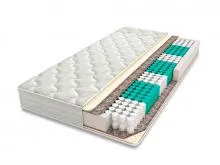
Матрас Askona Space круглый.
коротко о товаре
цену уточняйте
Как отправить запрос, уточнить цену и получить предложение?
  • 1 Нажмите на кнопку "Отправить запрос"
  • 2 В открывшейся форме укажите контактные данные и отправьте предварительную заявку
  • 3 Поставщик уточнит детали и предоставит предложение на поставку товара
  • 4 Вы можете принять предложение или выбрать другого поставщика
ООО «Интернет-магазин Е96» Касли показать телефон
<
>
Чтобы купить Матрас Askona Space круглый, вам нужно отправить запрос или связаться с поставщиком.
  • Характеристики
  • Описание
  • Отзывы (2051)
Характеристики

ВСЕ ХАРАКТЕРИСТИКИ ТОВАРА Матрас Askona Space круглый

Характеристика Значение
Марка
ASKONA (Китай)
Возрастная категория Взрослый
Форма Круглый
Типоразмер 200 х 200; 210 х 210; 215 х 215; 220 х 220
Пружинный блок Независимые пружины
Количество пружин на м2 550
Количество зон поддержки 7
Жесткость 1 стороны Ниже среднего
Характеристика Значение
Жесткость 2 стороны Мягкий
Материал чехла Хлопковый трикотаж
Наполнители Латекс натуральный 20 мм; Меморикс 40 мм; Термовойлок
Нагрузка на спальное место 140
Натуральность компонентов Смешанная
Высота 22
Цвет Белый
Гарантия 18
Описание
описание

7-зональный ортопедический матрас Space создаст идеальные условия для здорового сна. Войлок в сочетании с комфортными слоями поддерживает баланс между упругой поддержкой и комфортной мягкостью изделия. Матрас подойдет для тех, кто заботится о своей осанке, но не любит спать на жесткой поверхности.

Отзывы (2051)
Матрас Askona Space круглый

https://rentyachtsincyprus.com/ - Yacht charter Cyprus https://rentyachtsincyprus.com/ - Yacht charter Cyprus https://rentyachtsincyprus.com/ - Yacht charter Cyprus https://rentyachtsincyprus.com/en - Yacht charter Cyprus https://rentyachtsincyprus.com/en - yacht charter cyprus https://rentyachtsincyprus.com/ - Yacht charter Cyprus https://rentyachtsincyprus.com/ - yacht charter cyprus https://rentyachtsincyprus.com/en - yacht charter cyprus https://rentyachtsincyprus.com/ - yacht charter cyprus https://rentyachtsincyprus.com/en - Yacht charter Cyprus https://rentyachtsincyprus.com/en - Yacht charter Cyprus https://rentyachtsincyprus.com/en - Yacht charter Cyprus https://rentyachtsincyprus.com/ - yacht charter cyprus https://rentyachtsincyprus.com/ - Yacht charter Cyprus https://rentyachtsincyprus.com/ - yacht charter cyprus https://rentyachtsincyprus.com/en - yacht charter cyprus https://rentyachtsincyprus.com/en - Yacht charter Cyprus https://rentyachtsincyprus.com/ - Yacht charter Cyprus https://rentyachtsincyprus.com/ - yacht charter cyprus

https://rentyachtsincyprus.com/ - Yacht charter Cyprus https://rentyachtsincyprus.com/ - Yacht charter Cyprus https://rentyachtsincyprus.com/ - Yacht charter Cyprus https://rentyachtsincyprus.com/en - Yacht charter Cyprus https://rentyachtsincyprus.com/en - yacht charter cyprus https://rentyachtsincyprus.com/ - Yacht charter Cyprus https://rentyachtsincyprus.com/ - yacht charter cyprus https://rentyachtsincyprus.com/en - yacht charter cyprus https://rentyachtsincyprus.com/ - yacht charter cyprus https://rentyachtsincyprus.com/en - Yacht charter Cyprus https://rentyachtsincyprus.com/en - Yacht charter Cyprus https://rentyachtsincyprus.com/en - Yacht charter Cyprus https://rentyachtsincyprus.com/ - yacht charter cyprus https://rentyachtsincyprus.com/ - Yacht charter Cyprus https://rentyachtsincyprus.com/ - yacht charter cyprus https://rentyachtsincyprus.com/en - yacht charter cyprus https://rentyachtsincyprus.com/en - Yacht charter Cyprus https://rentyachtsincyprus.com/ - Yacht charter Cyprus https://rentyachtsincyprus.com/ - yacht charter cyprus

https://rentyachtsincyprus.com/ - Yacht charter Cyprus https://rentyachtsincyprus.com/ - Yacht charter Cyprus https://rentyachtsincyprus.com/ - Yacht charter Cyprus https://rentyachtsincyprus.com/en - Yacht charter Cyprus https://rentyachtsincyprus.com/en - yacht charter cyprus https://rentyachtsincyprus.com/ - Yacht charter Cyprus https://rentyachtsincyprus.com/ - yacht charter cyprus https://rentyachtsincyprus.com/en - yacht charter cyprus https://rentyachtsincyprus.com/ - yacht charter cyprus https://rentyachtsincyprus.com/en - Yacht charter Cyprus https://rentyachtsincyprus.com/en - Yacht charter Cyprus https://rentyachtsincyprus.com/en - Yacht charter Cyprus https://rentyachtsincyprus.com/ - yacht charter cyprus https://rentyachtsincyprus.com/ - Yacht charter Cyprus https://rentyachtsincyprus.com/ - yacht charter cyprus https://rentyachtsincyprus.com/en - yacht charter cyprus https://rentyachtsincyprus.com/en - Yacht charter Cyprus https://rentyachtsincyprus.com/ - Yacht charter Cyprus https://rentyachtsincyprus.com/ - yacht charter cyprus

Матрас Askona Space круглый

Scientists who discovered mammals can breathe through their anuses receive Ig Nobel prize kra6 gl The world still holds many unanswered questions. But thanks to the efforts of the research teams awarded the IG Nobel Prize on Thursday, some of these questions – which you might not even have thought existed – now have answers. We now know that many mammals can breathe through their anuses, that there isn’t an equal probability that a coin will land on head or tails, that some real plants somehow imitate the shapes of neighboring fake plastic plants, that fake medicine which causes painful side-effects can be more effective than fake medicine without side-effects, and that many of the people famous for reaching lofty old ages lived in places that had bad record-keeping. https://kraken3yvbvzmhytnrnuhsy772i6dfobofu652e27f5hx6y5cpj7rgyd.cc kraken onion The awards – which have no affiliation to the Nobel Prizes – aim to “celebrate the unusual, honor the imaginative – and spur people’s interest in science, medicine, and technology” by making “people laugh, then think.” In a two-hour ceremony as quirky as the scientific achievements it was celebrating, audience members were welcomed to their seats by accordion music, before a safety briefing warned them not to “sit on anyone, unless you are a child,” not to “feed, chase or eat ducks” and to throw their paper airplane safely. There were two “paper airplane deluges” during the ceremony in which the audience attempted to throw their creations – safely – at a target in the middle of the stage. Among those collecting their prizes was a Japanese research team led by Ryo Okabe and Takanori Takebe who discovered that mammals can breathe through their anuses. They say in their paper that this potentially offers an alternative way of getting oxygen into critically ill patients if ventilator and artificial lung supplies run low, like they did during the Covid-19 pandemic. American psychologist B.F Skinner was posthumously awarded the peace prize for his work attempting to use pigeons to guide the flight path of missiles, while a European-wide research team was awarded the probability prize for conducting 350,757 experiments to demonstrate that a coin tends to land on the same side it started when it is flipped.

Scientists who discovered mammals can breathe through their anuses receive Ig Nobel prize kra6 gl The world still holds many unanswered questions. But thanks to the efforts of the research teams awarded the IG Nobel Prize on Thursday, some of these questions – which you might not even have thought existed – now have answers. We now know that many mammals can breathe through their anuses, that there isn’t an equal probability that a coin will land on head or tails, that some real plants somehow imitate the shapes of neighboring fake plastic plants, that fake medicine which causes painful side-effects can be more effective than fake medicine without side-effects, and that many of the people famous for reaching lofty old ages lived in places that had bad record-keeping. https://kraken3yvbvzmhytnrnuhsy772i6dfobofu652e27f5hx6y5cpj7rgyd.cc kraken onion The awards – which have no affiliation to the Nobel Prizes – aim to “celebrate the unusual, honor the imaginative – and spur people’s interest in science, medicine, and technology” by making “people laugh, then think.” In a two-hour ceremony as quirky as the scientific achievements it was celebrating, audience members were welcomed to their seats by accordion music, before a safety briefing warned them not to “sit on anyone, unless you are a child,” not to “feed, chase or eat ducks” and to throw their paper airplane safely. There were two “paper airplane deluges” during the ceremony in which the audience attempted to throw their creations – safely – at a target in the middle of the stage. Among those collecting their prizes was a Japanese research team led by Ryo Okabe and Takanori Takebe who discovered that mammals can breathe through their anuses. They say in their paper that this potentially offers an alternative way of getting oxygen into critically ill patients if ventilator and artificial lung supplies run low, like they did during the Covid-19 pandemic. American psychologist B.F Skinner was posthumously awarded the peace prize for his work attempting to use pigeons to guide the flight path of missiles, while a European-wide research team was awarded the probability prize for conducting 350,757 experiments to demonstrate that a coin tends to land on the same side it started when it is flipped.

Scientists who discovered mammals can breathe through their anuses receive Ig Nobel prize kra6 gl The world still holds many unanswered questions. But thanks to the efforts of the research teams awarded the IG Nobel Prize on Thursday, some of these questions – which you might not even have thought existed – now have answers. We now know that many mammals can breathe through their anuses, that there isn’t an equal probability that a coin will land on head or tails, that some real plants somehow imitate the shapes of neighboring fake plastic plants, that fake medicine which causes painful side-effects can be more effective than fake medicine without side-effects, and that many of the people famous for reaching lofty old ages lived in places that had bad record-keeping. https://kraken3yvbvzmhytnrnuhsy772i6dfobofu652e27f5hx6y5cpj7rgyd.cc kraken onion The awards – which have no affiliation to the Nobel Prizes – aim to “celebrate the unusual, honor the imaginative – and spur people’s interest in science, medicine, and technology” by making “people laugh, then think.” In a two-hour ceremony as quirky as the scientific achievements it was celebrating, audience members were welcomed to their seats by accordion music, before a safety briefing warned them not to “sit on anyone, unless you are a child,” not to “feed, chase or eat ducks” and to throw their paper airplane safely. There were two “paper airplane deluges” during the ceremony in which the audience attempted to throw their creations – safely – at a target in the middle of the stage. Among those collecting their prizes was a Japanese research team led by Ryo Okabe and Takanori Takebe who discovered that mammals can breathe through their anuses. They say in their paper that this potentially offers an alternative way of getting oxygen into critically ill patients if ventilator and artificial lung supplies run low, like they did during the Covid-19 pandemic. American psychologist B.F Skinner was posthumously awarded the peace prize for his work attempting to use pigeons to guide the flight path of missiles, while a European-wide research team was awarded the probability prize for conducting 350,757 experiments to demonstrate that a coin tends to land on the same side it started when it is flipped.

Матрас Askona Space круглый

Medical staff on the front line of the battle against mpox in eastern Democratic Republic of Congo have told the BBC they are desperate for vaccines to arrive so they can stem the rate of new infections. blackspruty4w3j4bzyhlk24jr32wbpnfo3oyywn4ckwylo4hkcyy4yd.onion At a treatment centre in South Kivu province that the BBC visited in the epicentre of the outbreak, they say more patients are arriving every day - especially babies - and there is a shortage of essential equipment. блэк СЃРїСЂСѓС‚ ссылка https://blackspruty4w3j4bzyhlk24jr32wbpnfo3oyywn4ckwylo4hkcyy4yda.com Mpox - formerly known as monkeypox - is a highly contagious disease and has killed at least 635 people in DR Congo this year. Even though 200,000 vaccines, donated by the European Commission, were flown into the capital, Kinshasa, last week, they are yet to be transported across this vast country - and it could be several weeks before they reach South Kivu. “We've learned from social media that the vaccine is already available,” Emmanuel Fikiri, a nurse working at the clinic that has been turned into a specialist centre to tackle the virus, told the BBC. He said this was the first time he had treated patients with mpox and every day he feared catching it and passing it on to his own children - aged seven, five and one. “You saw how I touched the patients because that's my job as a nurse. So, we're asking the government to help us by first giving us the vaccines.” The reason it will take time to transport the vaccines is that they need to be stored at a precise temperature - below freezing - to maintain their potency, plus they need to be sent to rural areas of South Kivu, like Kamituga, Kavumu and Lwiro, where the outbreak is rife. The lack of infrastructure and bad roads mean that helicopters could possibly be used to drop some of the vaccines, which will further drive up costs in a country that is already struggling financially. At the community clinic, Dr Pacifique Karanzo appeared fatigued and downbeat having been rushed off his feet all morning. Although he wore a face shield, I could see the sweat running down his face. He said he was saddened to see patients sharing beds. “You will even see that the patients are sleeping on the floor,” he told me, clearly exasperated. “The only support we have already had is a little medicine for the patients and water. As far as other challenges are concerned, there's still no staff motivation.” bs.gl

Medical staff on the front line of the battle against mpox in eastern Democratic Republic of Congo have told the BBC they are desperate for vaccines to arrive so they can stem the rate of new infections. blackspruty4w3j4bzyhlk24jr32wbpnfo3oyywn4ckwylo4hkcyy4yd.onion At a treatment centre in South Kivu province that the BBC visited in the epicentre of the outbreak, they say more patients are arriving every day - especially babies - and there is a shortage of essential equipment. блэк СЃРїСЂСѓС‚ ссылка https://blackspruty4w3j4bzyhlk24jr32wbpnfo3oyywn4ckwylo4hkcyy4yda.com Mpox - formerly known as monkeypox - is a highly contagious disease and has killed at least 635 people in DR Congo this year. Even though 200,000 vaccines, donated by the European Commission, were flown into the capital, Kinshasa, last week, they are yet to be transported across this vast country - and it could be several weeks before they reach South Kivu. “We've learned from social media that the vaccine is already available,” Emmanuel Fikiri, a nurse working at the clinic that has been turned into a specialist centre to tackle the virus, told the BBC. He said this was the first time he had treated patients with mpox and every day he feared catching it and passing it on to his own children - aged seven, five and one. “You saw how I touched the patients because that's my job as a nurse. So, we're asking the government to help us by first giving us the vaccines.” The reason it will take time to transport the vaccines is that they need to be stored at a precise temperature - below freezing - to maintain their potency, plus they need to be sent to rural areas of South Kivu, like Kamituga, Kavumu and Lwiro, where the outbreak is rife. The lack of infrastructure and bad roads mean that helicopters could possibly be used to drop some of the vaccines, which will further drive up costs in a country that is already struggling financially. At the community clinic, Dr Pacifique Karanzo appeared fatigued and downbeat having been rushed off his feet all morning. Although he wore a face shield, I could see the sweat running down his face. He said he was saddened to see patients sharing beds. “You will even see that the patients are sleeping on the floor,” he told me, clearly exasperated. “The only support we have already had is a little medicine for the patients and water. As far as other challenges are concerned, there's still no staff motivation.” bs.gl

Medical staff on the front line of the battle against mpox in eastern Democratic Republic of Congo have told the BBC they are desperate for vaccines to arrive so they can stem the rate of new infections. blackspruty4w3j4bzyhlk24jr32wbpnfo3oyywn4ckwylo4hkcyy4yd.onion At a treatment centre in South Kivu province that the BBC visited in the epicentre of the outbreak, they say more patients are arriving every day - especially babies - and there is a shortage of essential equipment. блэк СЃРїСЂСѓС‚ ссылка https://blackspruty4w3j4bzyhlk24jr32wbpnfo3oyywn4ckwylo4hkcyy4yda.com Mpox - formerly known as monkeypox - is a highly contagious disease and has killed at least 635 people in DR Congo this year. Even though 200,000 vaccines, donated by the European Commission, were flown into the capital, Kinshasa, last week, they are yet to be transported across this vast country - and it could be several weeks before they reach South Kivu. “We've learned from social media that the vaccine is already available,” Emmanuel Fikiri, a nurse working at the clinic that has been turned into a specialist centre to tackle the virus, told the BBC. He said this was the first time he had treated patients with mpox and every day he feared catching it and passing it on to his own children - aged seven, five and one. “You saw how I touched the patients because that's my job as a nurse. So, we're asking the government to help us by first giving us the vaccines.” The reason it will take time to transport the vaccines is that they need to be stored at a precise temperature - below freezing - to maintain their potency, plus they need to be sent to rural areas of South Kivu, like Kamituga, Kavumu and Lwiro, where the outbreak is rife. The lack of infrastructure and bad roads mean that helicopters could possibly be used to drop some of the vaccines, which will further drive up costs in a country that is already struggling financially. At the community clinic, Dr Pacifique Karanzo appeared fatigued and downbeat having been rushed off his feet all morning. Although he wore a face shield, I could see the sweat running down his face. He said he was saddened to see patients sharing beds. “You will even see that the patients are sleeping on the floor,” he told me, clearly exasperated. “The only support we have already had is a little medicine for the patients and water. As far as other challenges are concerned, there's still no staff motivation.” bs.gl

Матрас Askona Space круглый

Medical staff on the front line of the battle against mpox in eastern Democratic Republic of Congo have told the BBC they are desperate for vaccines to arrive so they can stem the rate of new infections. bs.gl At a treatment centre in South Kivu province that the BBC visited in the epicentre of the outbreak, they say more patients are arriving every day - especially babies - and there is a shortage of essential equipment. blacksprut площадка https://bs-gl.org Mpox - formerly known as monkeypox - is a highly contagious disease and has killed at least 635 people in DR Congo this year. Even though 200,000 vaccines, donated by the European Commission, were flown into the capital, Kinshasa, last week, they are yet to be transported across this vast country - and it could be several weeks before they reach South Kivu. “We've learned from social media that the vaccine is already available,” Emmanuel Fikiri, a nurse working at the clinic that has been turned into a specialist centre to tackle the virus, told the BBC. He said this was the first time he had treated patients with mpox and every day he feared catching it and passing it on to his own children - aged seven, five and one. “You saw how I touched the patients because that's my job as a nurse. So, we're asking the government to help us by first giving us the vaccines.” The reason it will take time to transport the vaccines is that they need to be stored at a precise temperature - below freezing - to maintain their potency, plus they need to be sent to rural areas of South Kivu, like Kamituga, Kavumu and Lwiro, where the outbreak is rife. The lack of infrastructure and bad roads mean that helicopters could possibly be used to drop some of the vaccines, which will further drive up costs in a country that is already struggling financially. At the community clinic, Dr Pacifique Karanzo appeared fatigued and downbeat having been rushed off his feet all morning. Although he wore a face shield, I could see the sweat running down his face. He said he was saddened to see patients sharing beds. “You will even see that the patients are sleeping on the floor,” he told me, clearly exasperated. “The only support we have already had is a little medicine for the patients and water. As far as other challenges are concerned, there's still no staff motivation.” blacksprut2rprrt3aoigwh7zftiprzqyqynzz2eiimmwmykw7wkpyad.onion

Medical staff on the front line of the battle against mpox in eastern Democratic Republic of Congo have told the BBC they are desperate for vaccines to arrive so they can stem the rate of new infections. bs.gl At a treatment centre in South Kivu province that the BBC visited in the epicentre of the outbreak, they say more patients are arriving every day - especially babies - and there is a shortage of essential equipment. blacksprut площадка https://bs-gl.org Mpox - formerly known as monkeypox - is a highly contagious disease and has killed at least 635 people in DR Congo this year. Even though 200,000 vaccines, donated by the European Commission, were flown into the capital, Kinshasa, last week, they are yet to be transported across this vast country - and it could be several weeks before they reach South Kivu. “We've learned from social media that the vaccine is already available,” Emmanuel Fikiri, a nurse working at the clinic that has been turned into a specialist centre to tackle the virus, told the BBC. He said this was the first time he had treated patients with mpox and every day he feared catching it and passing it on to his own children - aged seven, five and one. “You saw how I touched the patients because that's my job as a nurse. So, we're asking the government to help us by first giving us the vaccines.” The reason it will take time to transport the vaccines is that they need to be stored at a precise temperature - below freezing - to maintain their potency, plus they need to be sent to rural areas of South Kivu, like Kamituga, Kavumu and Lwiro, where the outbreak is rife. The lack of infrastructure and bad roads mean that helicopters could possibly be used to drop some of the vaccines, which will further drive up costs in a country that is already struggling financially. At the community clinic, Dr Pacifique Karanzo appeared fatigued and downbeat having been rushed off his feet all morning. Although he wore a face shield, I could see the sweat running down his face. He said he was saddened to see patients sharing beds. “You will even see that the patients are sleeping on the floor,” he told me, clearly exasperated. “The only support we have already had is a little medicine for the patients and water. As far as other challenges are concerned, there's still no staff motivation.” blacksprut2rprrt3aoigwh7zftiprzqyqynzz2eiimmwmykw7wkpyad.onion

Medical staff on the front line of the battle against mpox in eastern Democratic Republic of Congo have told the BBC they are desperate for vaccines to arrive so they can stem the rate of new infections. bs.gl At a treatment centre in South Kivu province that the BBC visited in the epicentre of the outbreak, they say more patients are arriving every day - especially babies - and there is a shortage of essential equipment. blacksprut площадка https://bs-gl.org Mpox - formerly known as monkeypox - is a highly contagious disease and has killed at least 635 people in DR Congo this year. Even though 200,000 vaccines, donated by the European Commission, were flown into the capital, Kinshasa, last week, they are yet to be transported across this vast country - and it could be several weeks before they reach South Kivu. “We've learned from social media that the vaccine is already available,” Emmanuel Fikiri, a nurse working at the clinic that has been turned into a specialist centre to tackle the virus, told the BBC. He said this was the first time he had treated patients with mpox and every day he feared catching it and passing it on to his own children - aged seven, five and one. “You saw how I touched the patients because that's my job as a nurse. So, we're asking the government to help us by first giving us the vaccines.” The reason it will take time to transport the vaccines is that they need to be stored at a precise temperature - below freezing - to maintain their potency, plus they need to be sent to rural areas of South Kivu, like Kamituga, Kavumu and Lwiro, where the outbreak is rife. The lack of infrastructure and bad roads mean that helicopters could possibly be used to drop some of the vaccines, which will further drive up costs in a country that is already struggling financially. At the community clinic, Dr Pacifique Karanzo appeared fatigued and downbeat having been rushed off his feet all morning. Although he wore a face shield, I could see the sweat running down his face. He said he was saddened to see patients sharing beds. “You will even see that the patients are sleeping on the floor,” he told me, clearly exasperated. “The only support we have already had is a little medicine for the patients and water. As far as other challenges are concerned, there's still no staff motivation.” blacksprut2rprrt3aoigwh7zftiprzqyqynzz2eiimmwmykw7wkpyad.onion

Матрас Askona Space круглый

Medical staff on the front line of the battle against mpox in eastern Democratic Republic of Congo have told the BBC they are desperate for vaccines to arrive so they can stem the rate of new infections. btrhbfeojofxcpxuwnsp5h7h22htohw4btqegnxatocbkgdlfiawhyid.onion At a treatment centre in South Kivu province that the BBC visited in the epicentre of the outbreak, they say more patients are arriving every day - especially babies - and there is a shortage of essential equipment. сайт СЃРїСЂСѓС‚ https://bs2webat.com Mpox - formerly known as monkeypox - is a highly contagious disease and has killed at least 635 people in DR Congo this year. Even though 200,000 vaccines, donated by the European Commission, were flown into the capital, Kinshasa, last week, they are yet to be transported across this vast country - and it could be several weeks before they reach South Kivu. “We've learned from social media that the vaccine is already available,” Emmanuel Fikiri, a nurse working at the clinic that has been turned into a specialist centre to tackle the virus, told the BBC. He said this was the first time he had treated patients with mpox and every day he feared catching it and passing it on to his own children - aged seven, five and one. “You saw how I touched the patients because that's my job as a nurse. So, we're asking the government to help us by first giving us the vaccines.” The reason it will take time to transport the vaccines is that they need to be stored at a precise temperature - below freezing - to maintain their potency, plus they need to be sent to rural areas of South Kivu, like Kamituga, Kavumu and Lwiro, where the outbreak is rife. The lack of infrastructure and bad roads mean that helicopters could possibly be used to drop some of the vaccines, which will further drive up costs in a country that is already struggling financially. At the community clinic, Dr Pacifique Karanzo appeared fatigued and downbeat having been rushed off his feet all morning. Although he wore a face shield, I could see the sweat running down his face. He said he was saddened to see patients sharing beds. “You will even see that the patients are sleeping on the floor,” he told me, clearly exasperated. “The only support we have already had is a little medicine for the patients and water. As far as other challenges are concerned, there's still no staff motivation.” blacksprut

Medical staff on the front line of the battle against mpox in eastern Democratic Republic of Congo have told the BBC they are desperate for vaccines to arrive so they can stem the rate of new infections. btrhbfeojofxcpxuwnsp5h7h22htohw4btqegnxatocbkgdlfiawhyid.onion At a treatment centre in South Kivu province that the BBC visited in the epicentre of the outbreak, they say more patients are arriving every day - especially babies - and there is a shortage of essential equipment. сайт СЃРїСЂСѓС‚ https://bs2webat.com Mpox - formerly known as monkeypox - is a highly contagious disease and has killed at least 635 people in DR Congo this year. Even though 200,000 vaccines, donated by the European Commission, were flown into the capital, Kinshasa, last week, they are yet to be transported across this vast country - and it could be several weeks before they reach South Kivu. “We've learned from social media that the vaccine is already available,” Emmanuel Fikiri, a nurse working at the clinic that has been turned into a specialist centre to tackle the virus, told the BBC. He said this was the first time he had treated patients with mpox and every day he feared catching it and passing it on to his own children - aged seven, five and one. “You saw how I touched the patients because that's my job as a nurse. So, we're asking the government to help us by first giving us the vaccines.” The reason it will take time to transport the vaccines is that they need to be stored at a precise temperature - below freezing - to maintain their potency, plus they need to be sent to rural areas of South Kivu, like Kamituga, Kavumu and Lwiro, where the outbreak is rife. The lack of infrastructure and bad roads mean that helicopters could possibly be used to drop some of the vaccines, which will further drive up costs in a country that is already struggling financially. At the community clinic, Dr Pacifique Karanzo appeared fatigued and downbeat having been rushed off his feet all morning. Although he wore a face shield, I could see the sweat running down his face. He said he was saddened to see patients sharing beds. “You will even see that the patients are sleeping on the floor,” he told me, clearly exasperated. “The only support we have already had is a little medicine for the patients and water. As far as other challenges are concerned, there's still no staff motivation.” blacksprut

Medical staff on the front line of the battle against mpox in eastern Democratic Republic of Congo have told the BBC they are desperate for vaccines to arrive so they can stem the rate of new infections. btrhbfeojofxcpxuwnsp5h7h22htohw4btqegnxatocbkgdlfiawhyid.onion At a treatment centre in South Kivu province that the BBC visited in the epicentre of the outbreak, they say more patients are arriving every day - especially babies - and there is a shortage of essential equipment. сайт СЃРїСЂСѓС‚ https://bs2webat.com Mpox - formerly known as monkeypox - is a highly contagious disease and has killed at least 635 people in DR Congo this year. Even though 200,000 vaccines, donated by the European Commission, were flown into the capital, Kinshasa, last week, they are yet to be transported across this vast country - and it could be several weeks before they reach South Kivu. “We've learned from social media that the vaccine is already available,” Emmanuel Fikiri, a nurse working at the clinic that has been turned into a specialist centre to tackle the virus, told the BBC. He said this was the first time he had treated patients with mpox and every day he feared catching it and passing it on to his own children - aged seven, five and one. “You saw how I touched the patients because that's my job as a nurse. So, we're asking the government to help us by first giving us the vaccines.” The reason it will take time to transport the vaccines is that they need to be stored at a precise temperature - below freezing - to maintain their potency, plus they need to be sent to rural areas of South Kivu, like Kamituga, Kavumu and Lwiro, where the outbreak is rife. The lack of infrastructure and bad roads mean that helicopters could possibly be used to drop some of the vaccines, which will further drive up costs in a country that is already struggling financially. At the community clinic, Dr Pacifique Karanzo appeared fatigued and downbeat having been rushed off his feet all morning. Although he wore a face shield, I could see the sweat running down his face. He said he was saddened to see patients sharing beds. “You will even see that the patients are sleeping on the floor,” he told me, clearly exasperated. “The only support we have already had is a little medicine for the patients and water. As far as other challenges are concerned, there's still no staff motivation.” blacksprut

Страницы

Похожие товары:
Матрас Askona Space круглый
Матрас Askona Space
Матрас Askona Space круглый
Матрас Askona Spirit круглый
Матрас Askona Space круглый
Матрас Askona Discovery круглый
Матрас Askona Space круглый
Матрас Askona Innovate круглый
Матрас Askona Space круглый
Матрас Askona National круглый
Матрас Askona Space круглый
Матрас Askona Immuno