Каталог
Сравнение

Сообщение об ошибке

  • Warning: fopen(/mnt/mopra/www/cache/sites_default_cache_form/form_state_form-vY8XKuxxMUKE4RQBUqHzbYpaC7V13P2ONPL4TWUaj2Q): failed to open stream: No space left on device в функции DrupalFileCache->set() (строка 341 в файле /mnt/mopra/www/src/sites/all/modules/filecache/filecache.inc).
  • Warning: fopen(/mnt/mopra/www/cache/sites_default_cache_form/form_state_form-7WPwsss_8ZRGeWlpqMDdnKnJt9a8kRvHTbxuXQGnWwA): failed to open stream: No space left on device в функции DrupalFileCache->set() (строка 341 в файле /mnt/mopra/www/src/sites/all/modules/filecache/filecache.inc).

Вы здесь

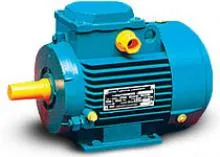
Электродвигатель МЭЗ АИР56А4.Электродвигатель МЭЗ АИР56А4. ФотоЭлектродвигатель МЭЗ АИР56А4. Фотография
коротко о товаре
цену уточняйте
Как отправить запрос, уточнить цену и получить предложение?
  • 1 Нажмите на кнопку "Отправить запрос"
  • 2 В открывшейся форме укажите контактные данные и отправьте предварительную заявку
  • 3 Поставщик уточнит детали и предоставит предложение на поставку товара
  • 4 Вы можете принять предложение или выбрать другого поставщика
ГК Новые технологии Казань показать телефон
<
>
Безналичный расчет, Банковский перевод подробнее
Транспотрная компания подробнее
Чтобы купить Электродвигатель МЭЗ АИР56А4, вам нужно отправить запрос или связаться с поставщиком.
  • Характеристики
  • Поставщики
  • Описание
  • Отзывы (2819)
Характеристики

ВСЕ ХАРАКТЕРИСТИКИ ТОВАРА Электродвигатель МЭЗ АИР56А4

Характеристика Значение
Марка
МЭЗ (Беларусь)
Исполнение электродвигателя общепромышленный
Серия электродвигателя АИР
Мощность 0.12 кВт
Частота вращения 1500 об/мин
Напряжение 380 В; 220 В; 660 В
КПД 58 %
Cos φ 0.66
Частота 50 Гц; 60 Гц
Высота оси вращения 56 мм
Характеристика Значение
Вес 3.6 кг
Число полюсов двигателя 4
Режим работы S1
Тип ротора С короткозамкнутым ротором
Тип Асинхронные
Класс энергоэффективности IE1
Монтажное исполнение IM1081; IM2081; IM3081; IM3681; IM2181
Степень защиты IP 54
Климатическое исполнение У2; У3; Т2; УХЛ2; УХЛ4; У5
Поставщики
ПО "ЭЛЕКТРОМОТОР" показать телефон Россия от 1 800,00 ₽
Как отправить запрос, уточнить цену и получить предложение?
  • 1 Нажмите на кнопку "Отправить запрос"
  • 2 В открывшейся форме укажите контактные данные и отправьте предварительную заявку
  • 3 Поставщик уточнит детали и предоставит предложение на поставку товара
  • 4 Вы можете принять предложение или выбрать другого поставщика
Описание
описание

Двигатели трёхфазные асинхронные с короткозамкнутым ротором серии АИР изготавливаются по ТУ РБ 05755950-420-93.
Общепромышленные электродвигатели серии АИР
(взаимозаменяемые с серией А, 5А, 5АМ, 4А, 4АМ, АД)

Электродвигатели асинхронные трехфазные закрытого обдуваемого общепромышленного исполнения с короткозамкнутым ротором предназначены для привода различных механизмов: станков, насосов, компрессоров, вентиляторов, мельниц и т.п.

Исполнения_электродвигателей_серии_АИР:

- основное;
- модификации по условиям окружающей среды (тропическое, химически стойкое, для сельского хозяйства);
- по точности установочных размеров (высокой точности и повышенной точности);
- с дополнительными устройствами (с фазным ротором, со встроенным электромагнитным тормозом);
- с повышенным пусковым моментом;
- с повышенным скольжением, многоскоростные;
- узкоспециальные (для судовых механизмов, для привода моноблочных насосов, рудничное исполнение, для привода бессальниковых компрессоров и др.).

Электродвигатели серии АИР изготавливаются на напряжение 220, 380, 660В.
Частота тока - 50 и 60Гц.

Климатические условия:

- температура окружающей среды от -40°С до +45°С;
- высота над уровнем моря не более 1000 м;
- окружающая среда невзрывоопасная, не содержащая агрессивных газов и паров в концентрациях, разрушающих металлы и изоляцию.

Степень защиты электродвигателей: IP 44, IP 54, IP 55.

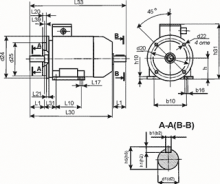
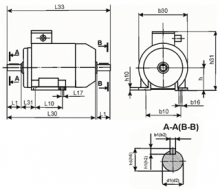
Конструктивные исполнения по способу монтажа:

Код исполнения состоит из латинских букв IM и четырех цифр. Например: IM 1081, IM 3082.

1-я цифра - конструктивное исполнение:

1 - на лапах с подшипниковыми щитами;
2 - на лапах с подшипниковыми щитами, с фланцем на подшипниковом щите (или щитах);
3 - без лап с подшипниковыми щитами, с фланцем на подшипниковом щите (или щитах), с цокольным фланцем.

2 и 3 цифра -способ монтажа двигателя:
4-я цифра -исполнение конца вала электрической машины:

0 - без конца вала;
1 - с одним цилиндрическим концом вала;
2 - с двумя цилиндрическими концами вала.

Структура условного обозначения

АИХХ XXX ХХХХХХ:

А - асинхронный;
И - унифицированная серия (И - Интерэлектро);
X - привязка мощностей установочным размерам (Р-по PC 3031 -71, С - по CENELEK док. 28/ 64);
X - Р - с повышенным пусковым моментом, - С - с повышенным скольжением;
XXX - габарит, мм;
X - установочный размер по длине станины (S,M,L);
X - длина сердечника статора (А или В, отсутствие буквы означает только одну длину сердечника - первую);
X - число полюсов: 2, 4, 6, 8, 10;
X - дополнительные буквы для модификаций двигателя (Б - со встроенной температурной защитой; П - с повышенной точностью по установочным размерам; Х2 - химически стойкие; С - сельскохозяйственные);
XX - климатическое исполнение (У, Т, ХЛ) и категория размещения (1, 2, 3, 4, 5).

Например: АИР 180 М4 У2, 5А 225 М2 КУЗ.

1. Обозначение серии (АИР, 5А)
2. Габарит (высота оси вращения, мм)
3. Установочный размер по длине ста нины (S, M, L)
4. Вариант длины сердечника при со хранении установочного размера (А, В)
5. Число полюсов (2, 4)
6. Признак привязки мощности к уста новочным размерам CENELEK (К)
7. Климатическое исполнение по ГОСТ 15150 (У2, УЗ)

Отзывы (2819)
Электродвигатель МЭЗ АИР56А4

Best pipe inspection camera - endoscope plumbing: When selecting a camera for pipe and plumbing inspection, think about the following aspects: 1. Image quality: Search for a camera with excellent resolution capabilities (at least 720p) and good low-light sensitivity to ensure sharp images in dark pipes. 2. Waterproof rating: Pick a camera with a waterproof rating of at least IP67 or higher to shield it from water damage during inspections. 3. Camera head size: A smaller camera head will allow you to inspect narrower pipes, while a larger head may be needed for bigger pipes. 4. Flexibility: Opt for a camera with a flexible rod or tilt function to aid easier navigation through bends and corners. 5. Length: Select a camera with an adequate length of cable or rod to access the areas you want to inspect. 6. Light source: Ensure the camera has a sufficient light source, either integrated or detachable, to illuminate the inside of the pipe. 7. Controls: Go for a camera with easy-to-use controls, such as joysticks or buttons, to manipulate the device during the inspection. 8. Recording capability: Some cameras come equipped with recording functionality; if this feature is important to you, make sure the camera has enough storage capacity and that the video files are easily transferable. 9. Brand reputation: Purchase from a well-known brand known for producing reliable equipment. 10. Budget: Determine your budget before making a purchase and assess the features against the cost. Keep in mind, these are just examples, and it's crucial to research each option thoroughly based on your specific requirements and budget. Additionally, consult with industry professionals or read reviews from other plumbers to gain more insight into their experiences with different cameras. best plumbing camera By taking into account these factors, you can discover the best camera for your pipe and plumbing inspection needs. Don't forget to prioritize safety and follow proper safety protocols when conducting inspections.

Best pipe inspection camera - endoscope plumbing: When selecting a camera for pipe and plumbing inspection, think about the following aspects: 1. Image quality: Search for a camera with excellent resolution capabilities (at least 720p) and good low-light sensitivity to ensure sharp images in dark pipes. 2. Waterproof rating: Pick a camera with a waterproof rating of at least IP67 or higher to shield it from water damage during inspections. 3. Camera head size: A smaller camera head will allow you to inspect narrower pipes, while a larger head may be needed for bigger pipes. 4. Flexibility: Opt for a camera with a flexible rod or tilt function to aid easier navigation through bends and corners. 5. Length: Select a camera with an adequate length of cable or rod to access the areas you want to inspect. 6. Light source: Ensure the camera has a sufficient light source, either integrated or detachable, to illuminate the inside of the pipe. 7. Controls: Go for a camera with easy-to-use controls, such as joysticks or buttons, to manipulate the device during the inspection. 8. Recording capability: Some cameras come equipped with recording functionality; if this feature is important to you, make sure the camera has enough storage capacity and that the video files are easily transferable. 9. Brand reputation: Purchase from a well-known brand known for producing reliable equipment. 10. Budget: Determine your budget before making a purchase and assess the features against the cost. Keep in mind, these are just examples, and it's crucial to research each option thoroughly based on your specific requirements and budget. Additionally, consult with industry professionals or read reviews from other plumbers to gain more insight into their experiences with different cameras. best plumbing camera By taking into account these factors, you can discover the best camera for your pipe and plumbing inspection needs. Don't forget to prioritize safety and follow proper safety protocols when conducting inspections.

Best pipe inspection camera - endoscope plumbing: When selecting a camera for pipe and plumbing inspection, think about the following aspects: 1. Image quality: Search for a camera with excellent resolution capabilities (at least 720p) and good low-light sensitivity to ensure sharp images in dark pipes. 2. Waterproof rating: Pick a camera with a waterproof rating of at least IP67 or higher to shield it from water damage during inspections. 3. Camera head size: A smaller camera head will allow you to inspect narrower pipes, while a larger head may be needed for bigger pipes. 4. Flexibility: Opt for a camera with a flexible rod or tilt function to aid easier navigation through bends and corners. 5. Length: Select a camera with an adequate length of cable or rod to access the areas you want to inspect. 6. Light source: Ensure the camera has a sufficient light source, either integrated or detachable, to illuminate the inside of the pipe. 7. Controls: Go for a camera with easy-to-use controls, such as joysticks or buttons, to manipulate the device during the inspection. 8. Recording capability: Some cameras come equipped with recording functionality; if this feature is important to you, make sure the camera has enough storage capacity and that the video files are easily transferable. 9. Brand reputation: Purchase from a well-known brand known for producing reliable equipment. 10. Budget: Determine your budget before making a purchase and assess the features against the cost. Keep in mind, these are just examples, and it's crucial to research each option thoroughly based on your specific requirements and budget. Additionally, consult with industry professionals or read reviews from other plumbers to gain more insight into their experiences with different cameras. best plumbing camera By taking into account these factors, you can discover the best camera for your pipe and plumbing inspection needs. Don't forget to prioritize safety and follow proper safety protocols when conducting inspections.

Электродвигатель МЭЗ АИР56А4

Best pipe inspection camera - small plumbing camera: When selecting a camera for pipe and plumbing inspection, consider the following aspects: 1. Image quality: Search for a camera with excellent resolution capabilities (at least 720p) and good low-light sensitivity to ensure sharp images in dark pipes. 2. Waterproof rating: Pick a camera with a waterproof rating of at least IP67 or higher to shield it from water damage during inspections. 3. Camera head size: A smaller camera head will allow you to inspect narrower pipes, while a larger head may be necessary for bigger pipes. 4. Flexibility: Choose for a camera with a flexible rod or tilt function to facilitate easier navigation through bends and corners. 5. Length: Select a camera with an adequate length of cable or rod to reach the areas you need to inspect. 6. Light source: Ensure the camera has a sufficient light source, either integrated or detachable, to light up the inside of the pipe. 7. Controls: Go for a camera with easy-to-use controls, such as joysticks or buttons, to operate the device during the inspection. 8. Recording capability: Some cameras come equipped with recording functionality; if this feature is vital to you, make sure the camera has enough storage capacity and that the video files are easily transferable. 9. Brand reputation: Purchase from a reputable brand known for producing reliable equipment. 10. Budget: Determine your budget before making a purchase and evaluate the features against the cost. Remember, these are just examples, and it's vital to research each option thoroughly based on your specific requirements and budget. Additionally, consult with industry professionals or read reviews from other plumbers to gain more insight into their experiences with different cameras. best borescope for plumbing By factoring in these factors, you can unearth the best camera for your pipe and plumbing inspection demands. Don't forget to prioritize safety and follow proper safety protocols when conducting inspections.

Best pipe inspection camera - small plumbing camera: When selecting a camera for pipe and plumbing inspection, consider the following aspects: 1. Image quality: Search for a camera with excellent resolution capabilities (at least 720p) and good low-light sensitivity to ensure sharp images in dark pipes. 2. Waterproof rating: Pick a camera with a waterproof rating of at least IP67 or higher to shield it from water damage during inspections. 3. Camera head size: A smaller camera head will allow you to inspect narrower pipes, while a larger head may be necessary for bigger pipes. 4. Flexibility: Choose for a camera with a flexible rod or tilt function to facilitate easier navigation through bends and corners. 5. Length: Select a camera with an adequate length of cable or rod to reach the areas you need to inspect. 6. Light source: Ensure the camera has a sufficient light source, either integrated or detachable, to light up the inside of the pipe. 7. Controls: Go for a camera with easy-to-use controls, such as joysticks or buttons, to operate the device during the inspection. 8. Recording capability: Some cameras come equipped with recording functionality; if this feature is vital to you, make sure the camera has enough storage capacity and that the video files are easily transferable. 9. Brand reputation: Purchase from a reputable brand known for producing reliable equipment. 10. Budget: Determine your budget before making a purchase and evaluate the features against the cost. Remember, these are just examples, and it's vital to research each option thoroughly based on your specific requirements and budget. Additionally, consult with industry professionals or read reviews from other plumbers to gain more insight into their experiences with different cameras. best borescope for plumbing By factoring in these factors, you can unearth the best camera for your pipe and plumbing inspection demands. Don't forget to prioritize safety and follow proper safety protocols when conducting inspections.

Best pipe inspection camera - small plumbing camera: When selecting a camera for pipe and plumbing inspection, consider the following aspects: 1. Image quality: Search for a camera with excellent resolution capabilities (at least 720p) and good low-light sensitivity to ensure sharp images in dark pipes. 2. Waterproof rating: Pick a camera with a waterproof rating of at least IP67 or higher to shield it from water damage during inspections. 3. Camera head size: A smaller camera head will allow you to inspect narrower pipes, while a larger head may be necessary for bigger pipes. 4. Flexibility: Choose for a camera with a flexible rod or tilt function to facilitate easier navigation through bends and corners. 5. Length: Select a camera with an adequate length of cable or rod to reach the areas you need to inspect. 6. Light source: Ensure the camera has a sufficient light source, either integrated or detachable, to light up the inside of the pipe. 7. Controls: Go for a camera with easy-to-use controls, such as joysticks or buttons, to operate the device during the inspection. 8. Recording capability: Some cameras come equipped with recording functionality; if this feature is vital to you, make sure the camera has enough storage capacity and that the video files are easily transferable. 9. Brand reputation: Purchase from a reputable brand known for producing reliable equipment. 10. Budget: Determine your budget before making a purchase and evaluate the features against the cost. Remember, these are just examples, and it's vital to research each option thoroughly based on your specific requirements and budget. Additionally, consult with industry professionals or read reviews from other plumbers to gain more insight into their experiences with different cameras. best borescope for plumbing By factoring in these factors, you can unearth the best camera for your pipe and plumbing inspection demands. Don't forget to prioritize safety and follow proper safety protocols when conducting inspections.

Электродвигатель МЭЗ АИР56А4

Best pipe inspection camera - fiber optic camera for plumbing: When selecting a camera for pipe and plumbing inspection, think about the following aspects: 1. Image quality: Search for a camera with superior resolution capabilities (at least 720p) and good low-light sensitivity to ensure sharp images in dark pipes. 2. Waterproof rating: Pick a camera with a waterproof rating of at least IP67 or higher to shield it from water damage during inspections. 3. Camera head size: A smaller camera head will enable you to inspect narrower pipes, while a larger head may be needed for bigger pipes. 4. Flexibility: Choose for a camera with a flexible rod or tilt function to aid easier navigation through bends and corners. 5. Length: Select a camera with an adequate length of cable or rod to explore the areas you need to inspect. 6. Light source: Ensure the camera has a sufficient light source, either integrated or detachable, to brighten the inside of the pipe. 7. Controls: Go for a camera with easy-to-use controls, such as joysticks or buttons, to operate the device during the inspection. 8. Recording capability: Some cameras come equipped with recording functionality; if this feature is significant to you, make sure the camera has enough storage capacity and that the video files are easily transferable. 9. Brand reputation: Purchase from a reputable brand known for producing reliable equipment. 10. Budget: Determine your budget before making a purchase and weigh the features against the cost. Bear in mind, these are just examples, and it's vital to research each option thoroughly based on your specific requirements and budget. Additionally, consult with industry professionals or read reviews from other plumbers to gain more insight into their experiences with different cameras. camera probe for plumbing By taking into account these factors, you can find the best camera for your pipe and plumbing inspection demands. Always prioritize safety and follow proper safety protocols when conducting inspections.

Best pipe inspection camera - fiber optic camera for plumbing: When selecting a camera for pipe and plumbing inspection, think about the following aspects: 1. Image quality: Search for a camera with superior resolution capabilities (at least 720p) and good low-light sensitivity to ensure sharp images in dark pipes. 2. Waterproof rating: Pick a camera with a waterproof rating of at least IP67 or higher to shield it from water damage during inspections. 3. Camera head size: A smaller camera head will enable you to inspect narrower pipes, while a larger head may be needed for bigger pipes. 4. Flexibility: Choose for a camera with a flexible rod or tilt function to aid easier navigation through bends and corners. 5. Length: Select a camera with an adequate length of cable or rod to explore the areas you need to inspect. 6. Light source: Ensure the camera has a sufficient light source, either integrated or detachable, to brighten the inside of the pipe. 7. Controls: Go for a camera with easy-to-use controls, such as joysticks or buttons, to operate the device during the inspection. 8. Recording capability: Some cameras come equipped with recording functionality; if this feature is significant to you, make sure the camera has enough storage capacity and that the video files are easily transferable. 9. Brand reputation: Purchase from a reputable brand known for producing reliable equipment. 10. Budget: Determine your budget before making a purchase and weigh the features against the cost. Bear in mind, these are just examples, and it's vital to research each option thoroughly based on your specific requirements and budget. Additionally, consult with industry professionals or read reviews from other plumbers to gain more insight into their experiences with different cameras. camera probe for plumbing By taking into account these factors, you can find the best camera for your pipe and plumbing inspection demands. Always prioritize safety and follow proper safety protocols when conducting inspections.

Best pipe inspection camera - fiber optic camera for plumbing: When selecting a camera for pipe and plumbing inspection, think about the following aspects: 1. Image quality: Search for a camera with superior resolution capabilities (at least 720p) and good low-light sensitivity to ensure sharp images in dark pipes. 2. Waterproof rating: Pick a camera with a waterproof rating of at least IP67 or higher to shield it from water damage during inspections. 3. Camera head size: A smaller camera head will enable you to inspect narrower pipes, while a larger head may be needed for bigger pipes. 4. Flexibility: Choose for a camera with a flexible rod or tilt function to aid easier navigation through bends and corners. 5. Length: Select a camera with an adequate length of cable or rod to explore the areas you need to inspect. 6. Light source: Ensure the camera has a sufficient light source, either integrated or detachable, to brighten the inside of the pipe. 7. Controls: Go for a camera with easy-to-use controls, such as joysticks or buttons, to operate the device during the inspection. 8. Recording capability: Some cameras come equipped with recording functionality; if this feature is significant to you, make sure the camera has enough storage capacity and that the video files are easily transferable. 9. Brand reputation: Purchase from a reputable brand known for producing reliable equipment. 10. Budget: Determine your budget before making a purchase and weigh the features against the cost. Bear in mind, these are just examples, and it's vital to research each option thoroughly based on your specific requirements and budget. Additionally, consult with industry professionals or read reviews from other plumbers to gain more insight into their experiences with different cameras. camera probe for plumbing By taking into account these factors, you can find the best camera for your pipe and plumbing inspection demands. Always prioritize safety and follow proper safety protocols when conducting inspections.

Электродвигатель МЭЗ АИР56А4

Страницы

Похожие товары:
Электродвигатель МЭЗ АИР56А4
Электродвигатель МЭЗ АИР315М4
Электродвигатель МЭЗ АИР56А4
Электродвигатель МЭЗ АИР80В4
Электродвигатель МЭЗ АИР56А4
Электродвигатель МЭЗ АИР250S4
Электродвигатель МЭЗ АИР56А4
Электродвигатель МЭЗ АИР160М4
Электродвигатель МЭЗ АИР56А4
Электродвигатель МЭЗ АИР112М4
Электродвигатель МЭЗ АИР56А4
Электродвигатель МЭЗ АИР63А4