Каталог
Сравнение

Сообщение об ошибке

  • Warning: fopen(/mnt/mopra/www/cache/sites_default_cache_bootstrap/variables): failed to open stream: No space left on device in DrupalFileCache->set() (line 341 of /mnt/mopra/www/src/sites/all/modules/filecache/filecache.inc).
  • Warning: fopen(/mnt/mopra/www/cache/sites_default_cache_form/form_form-HK_QNFbH4pfy2-teQXqhap0lO5qEYuVLx4GEKwytOUk): failed to open stream: No space left on device в функции DrupalFileCache->set() (строка 341 в файле /mnt/mopra/www/src/sites/all/modules/filecache/filecache.inc).
  • Warning: fopen(/mnt/mopra/www/cache/sites_default_cache_form/form_state_form-HK_QNFbH4pfy2-teQXqhap0lO5qEYuVLx4GEKwytOUk): failed to open stream: No space left on device в функции DrupalFileCache->set() (строка 341 в файле /mnt/mopra/www/src/sites/all/modules/filecache/filecache.inc).
  • Warning: fopen(/mnt/mopra/www/cache/sites_default_cache_form/form_form-h0nRdDA6vNm83wnLDUUIpCM0esx4ILQeBeKyut6nRSw): failed to open stream: No space left on device в функции DrupalFileCache->set() (строка 341 в файле /mnt/mopra/www/src/sites/all/modules/filecache/filecache.inc).
  • Warning: fopen(/mnt/mopra/www/cache/sites_default_cache_form/form_state_form-h0nRdDA6vNm83wnLDUUIpCM0esx4ILQeBeKyut6nRSw): failed to open stream: No space left on device в функции DrupalFileCache->set() (строка 341 в файле /mnt/mopra/www/src/sites/all/modules/filecache/filecache.inc).
  • Warning: fopen(/mnt/mopra/www/cache/sites_default_cache_form/form_form-M8Ox04dys-7YSodpXu_XhmFO0AM1nri5uYPw1BnfaHQ): failed to open stream: No space left on device в функции DrupalFileCache->set() (строка 341 в файле /mnt/mopra/www/src/sites/all/modules/filecache/filecache.inc).
  • Warning: fopen(/mnt/mopra/www/cache/sites_default_cache_form/form_state_form-M8Ox04dys-7YSodpXu_XhmFO0AM1nri5uYPw1BnfaHQ): failed to open stream: No space left on device в функции DrupalFileCache->set() (строка 341 в файле /mnt/mopra/www/src/sites/all/modules/filecache/filecache.inc).
  • Warning: fopen(/mnt/mopra/www/cache/sites_default_cache_form/form_form-qP3QJtTggO7gENQhUMYkousmqVMgkKULp7sDFQGpNrg): failed to open stream: No space left on device в функции DrupalFileCache->set() (строка 341 в файле /mnt/mopra/www/src/sites/all/modules/filecache/filecache.inc).
  • Warning: fopen(/mnt/mopra/www/cache/sites_default_cache_form/form_state_form-qP3QJtTggO7gENQhUMYkousmqVMgkKULp7sDFQGpNrg): failed to open stream: No space left on device в функции DrupalFileCache->set() (строка 341 в файле /mnt/mopra/www/src/sites/all/modules/filecache/filecache.inc).
  • Warning: fopen(/mnt/mopra/www/cache/sites_default_cache_form/form_form-BiYnr8nU6hH6RemyP8l7FKTLjuG_xKj5TgitG99iSh4): failed to open stream: No space left on device в функции DrupalFileCache->set() (строка 341 в файле /mnt/mopra/www/src/sites/all/modules/filecache/filecache.inc).
  • Warning: fopen(/mnt/mopra/www/cache/sites_default_cache_form/form_state_form-BiYnr8nU6hH6RemyP8l7FKTLjuG_xKj5TgitG99iSh4): failed to open stream: No space left on device в функции DrupalFileCache->set() (строка 341 в файле /mnt/mopra/www/src/sites/all/modules/filecache/filecache.inc).

Вы здесь

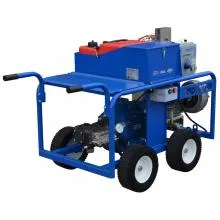
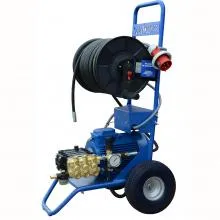
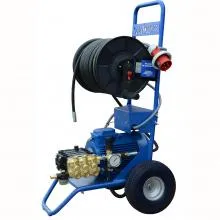
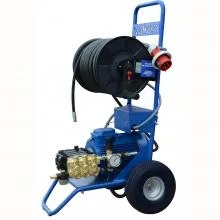
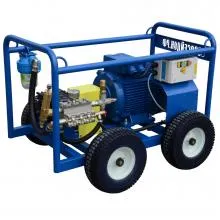
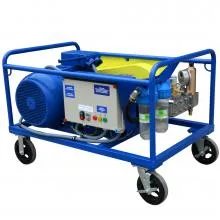
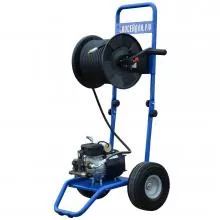
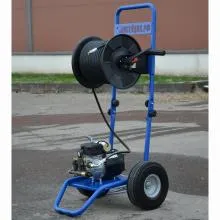
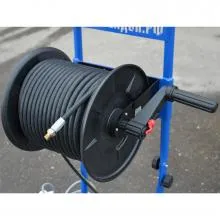
АВД Посейдон E2-140-8-Gun (ВНА-140-8Б).АВД Посейдон E2-140-8-Gun (ВНА-140-8Б). ФотоАВД Посейдон E2-140-8-Gun (ВНА-140-8Б). ФотографияАВД Посейдон E2-140-8-Gun (ВНА-140-8Б). Картинка
коротко о товаре
от 36 505,00 ₽
Как отправить запрос, уточнить цену и получить предложение?
  • 1 Нажмите на кнопку "Отправить запрос"
  • 2 В открывшейся форме укажите контактные данные и отправьте предварительную заявку
  • 3 Поставщик уточнит детали и предоставит предложение на поставку товара
  • 4 Вы можете принять предложение или выбрать другого поставщика
ГК Новые технологии Казань показать телефон
<
>
Безналичный расчет, Банковский перевод подробнее
Транспотрная компания подробнее
Чтобы купить АВД Посейдон E2-140-8-Gun (ВНА-140-8Б), вам нужно отправить запрос или связаться с поставщиком.
  • Характеристики
  • Описание
  • Отзывы (1696)
Характеристики

ВСЕ ХАРАКТЕРИСТИКИ ТОВАРА АВД Посейдон E2-140-8-Gun (ВНА-140-8Б)
Характеристика Значение
Марка
ПОСЕЙДОН (Россия)
Тип двигателя Электрический
Давление 140 бар
Расход воды 8 л/мин
Комплектация Мытье поверхностей
Характеристика Значение
Исполнение Обычное
Исполнение по мобильности Мобильное (на колесах)
Котел нагрева воды Нет
Вес 38 кг
Габариты, мм 565 х 500 х 1040
Описание
описание

АВД Посейдон (220В 1,9кВт, насос ANNOVI REVERBERI (ИТАЛИЯ) 140бар, 8л/мин, шланг прох. 6мм х 15м, пистолет, 1 форс.для поверхностей) Гарантия 1 год.

Описание:
Гидродинамический аппарат производится на базе электрического двигателя и комплектуется надежным насосом производства Италии.
С применением инновационных форсунок замедленного вращения Warthog аппарат способен очищать канализационные сети с самыми тяжелыми загрязнениями.
Аппарат позволяет эффективно чистить любые поверхности: транспортные средства, фасады зданий, строительную технику, цеха предприятий и др.
Исполнение на колесах позволяет легко грузить, выгружать и перемещать аппарат. Нет необходимости держать специальный прицеп под этот аппарат. Для использования в условиях недостатка воды аппарат комплектуется баками для воды емкостью 200 – 1000 л и подкачивающими насосами.

Особенности:
• Питание от стандартной сети 220В
• Надежный европейский двигатель
• Компактная и эргономичная конструкция – перевозка осуществляется одним человеком
• Разборная конструкции рамы – легко умещается в багажнике легкового автомобиля
• Литые колеса для удобства перемещения аппарата без опасности повреждения
• В стандартной комплектации проточный фильтр с возможностью промывки
• В качестве дополнительной опции устанавливается защита от сухого хода насоса
• Обширный ассортимент дополнительных аксессуаров

Аксессуары:
• Большой выбор трубоочистных форсунок
• Ножные переключатели (педали), удобны при работе по очистке труб
• Барабаны для шланга (удобны при очистке канализации)
• Комплект для очистки поверхности (пистолет, копье, шланги)
• Инжекторный насос для откачивания шлама
• Плоские, точечные и роторные форсунки для поверхностей
• Спецодежда
• Дополнительные системы фильтрации

Технические характеристики:
• Водоснабжение - Техническая вода, до 60°С (рекомендуемая до 45°С)
• Рабочее давление - 140 бар
• Расход воды - 8 л/мин
• Регулировка давления - Автоматическая (обеспечивается системой Total stop)
• Система Total-Stop - Есть
• Насос высокого давления - Аксиальный Annovi Reverberi (Италия)
• Защита насоса ВД - Оборудован системой Total stop и, как следствие, защитой от перегрева насоса ВД
• Тип привода - Электрический двигатель Ravel (Италия)
• Мощность двигателя - 1,9 кВт (220В, 50Гц)
• Защита двигателя - От перегрузки по току
• Исполнение - Мобильное (тележка на двух литых колесах)
• Форсунки в комплекте (в комплектации "Reel") - 2 оптимизированные форсунки ЗЕТ из хирургической стали 40X13 с углом выхода задних струй 20 градусов (оптимальный угол для данного потока) с передним боем и без
• Пенокомплект - Оснащение аппарата комплектом для нанесения хим. растворов, включая емкость для пены 10 литров, смонтированную на раме аппарата (опция F)

Отзывы (1696)
АВД Посейдон E2-140-8-Gun (ВНА-140-8Б)
Do you have a spam problem on this blog; I also am a blogger, and I was wondering your situation; we have created some nice practices and we are looking to exchange methods with other folks, why not shoot me an e-mail if interested. купить диплом в михайловске http://ovolgodonske.ru http://diplomy-samara.ru http://intsms.ru купить диплом в новокуйбышевске

Do you have a spam problem on this blog; I also am a blogger, and I was wondering your situation; we have created some nice practices and we are looking to exchange methods with other folks, why not shoot me an e-mail if interested. купить диплом в михайловске http://ovolgodonske.ru http://diplomy-samara.ru http://intsms.ru купить диплом в новокуйбышевске

Do you have a spam problem on this blog; I also am a blogger, and I was wondering your situation; we have created some nice practices and we are looking to exchange methods with other folks, why not shoot me an e-mail if interested. купить диплом в михайловске http://ovolgodonske.ru http://diplomy-samara.ru http://intsms.ru купить диплом в новокуйбышевске

АВД Посейдон E2-140-8-Gun (ВНА-140-8Б)

African elephants use names to call each other, study suggests tripscan зеркало Wild African elephants may address each other using individualized calls that resemble the personal names used by humans, a new study suggests. While dolphins are known to call one another by mimicking the signature whistle of the dolphin they want to address, and parrots have been found to address each other in a similar way, African elephants in Kenya may go a step further in identifying one another. These elephants learn, recognize and use individualized name-like calls to address others of their kind, seemingly without using imitation, according to the study published Monday in the journal Nature Ecology and Evolution. The most common type of elephant call is a rumble, of which there are three sub-categories. So-called contact rumbles are used to call another elephant that is far away or out of sight. Greeting rumbles are used when another elephant is within touching distance. Caregiver rumbles are used by an adolescent or adult female toward a calf she is caring for, according to the study. The researchers looked at these three types of rumbles, using a machine-learning model to analyze recordings of 469 calls made by wild groups of females and calves in Amboseli National Park and Samburu and Buffalo Springs National Reserves between 1986 and 2022. All the elephants could be individually identified by the shape of their ears, as they had been monitored continuously for decades, according to the study. The idea was that “if the calls contained something like a name, then you should be able to figure out who the call was addressed to just from the acoustic features of the call itself,” said lead study author Mickey Pardo, an animal behaviorist and postdoctoral fellow at Cornell University in New York. The researchers found that the acoustic structure of calls varied depending on who the target of the call was. The machine-learning model correctly identified the recipient of 27.5% of calls analyzed, “which may not sound like that much, but it was significantly more than what the model would have been able to do if we had just fed it random data,” Pardo told CNN. “So that suggests that there’s something in the calls that’s allowing the model to identify who the intended receiver of the call was,” he added.

African elephants use names to call each other, study suggests tripscan зеркало Wild African elephants may address each other using individualized calls that resemble the personal names used by humans, a new study suggests. While dolphins are known to call one another by mimicking the signature whistle of the dolphin they want to address, and parrots have been found to address each other in a similar way, African elephants in Kenya may go a step further in identifying one another. These elephants learn, recognize and use individualized name-like calls to address others of their kind, seemingly without using imitation, according to the study published Monday in the journal Nature Ecology and Evolution. The most common type of elephant call is a rumble, of which there are three sub-categories. So-called contact rumbles are used to call another elephant that is far away or out of sight. Greeting rumbles are used when another elephant is within touching distance. Caregiver rumbles are used by an adolescent or adult female toward a calf she is caring for, according to the study. The researchers looked at these three types of rumbles, using a machine-learning model to analyze recordings of 469 calls made by wild groups of females and calves in Amboseli National Park and Samburu and Buffalo Springs National Reserves between 1986 and 2022. All the elephants could be individually identified by the shape of their ears, as they had been monitored continuously for decades, according to the study. The idea was that “if the calls contained something like a name, then you should be able to figure out who the call was addressed to just from the acoustic features of the call itself,” said lead study author Mickey Pardo, an animal behaviorist and postdoctoral fellow at Cornell University in New York. The researchers found that the acoustic structure of calls varied depending on who the target of the call was. The machine-learning model correctly identified the recipient of 27.5% of calls analyzed, “which may not sound like that much, but it was significantly more than what the model would have been able to do if we had just fed it random data,” Pardo told CNN. “So that suggests that there’s something in the calls that’s allowing the model to identify who the intended receiver of the call was,” he added.

African elephants use names to call each other, study suggests tripscan зеркало Wild African elephants may address each other using individualized calls that resemble the personal names used by humans, a new study suggests. While dolphins are known to call one another by mimicking the signature whistle of the dolphin they want to address, and parrots have been found to address each other in a similar way, African elephants in Kenya may go a step further in identifying one another. These elephants learn, recognize and use individualized name-like calls to address others of their kind, seemingly without using imitation, according to the study published Monday in the journal Nature Ecology and Evolution. The most common type of elephant call is a rumble, of which there are three sub-categories. So-called contact rumbles are used to call another elephant that is far away or out of sight. Greeting rumbles are used when another elephant is within touching distance. Caregiver rumbles are used by an adolescent or adult female toward a calf she is caring for, according to the study. The researchers looked at these three types of rumbles, using a machine-learning model to analyze recordings of 469 calls made by wild groups of females and calves in Amboseli National Park and Samburu and Buffalo Springs National Reserves between 1986 and 2022. All the elephants could be individually identified by the shape of their ears, as they had been monitored continuously for decades, according to the study. The idea was that “if the calls contained something like a name, then you should be able to figure out who the call was addressed to just from the acoustic features of the call itself,” said lead study author Mickey Pardo, an animal behaviorist and postdoctoral fellow at Cornell University in New York. The researchers found that the acoustic structure of calls varied depending on who the target of the call was. The machine-learning model correctly identified the recipient of 27.5% of calls analyzed, “which may not sound like that much, but it was significantly more than what the model would have been able to do if we had just fed it random data,” Pardo told CNN. “So that suggests that there’s something in the calls that’s allowing the model to identify who the intended receiver of the call was,” he added.

АВД Посейдон E2-140-8-Gun (ВНА-140-8Б)
The original occupant of an Egyptian sarcophagus was unknown. Then a tiny ornament revealed a very big name tripscan тор A sarcophagus discovered in 2009 in an Egyptian burial chamber came with a complicated history: Ancient writing on the stone container showed that it had been used twice, but while its second occupant, the 21st dynasty high priest Menkheperre, was known, the first owner had remained a mystery — until now. New clues have surfaced as a result of Frederic Payraudeau, an associate professor in Egyptology at Sorbonne University in Paris, reexamining a fragment of the granite sarcophagus and deciphering the hieroglyphs engraved on it. Tucked away in the cartouche, an oval-shaped ornament often found in tombs, he found a name of a very recognizable figure: Ramesses II. Payraudeau said the inscription is evidence that the artifact was originally from the tomb of the famous pharaoh and had been reused after looting. “Clearly, this was the sarcophagus of a king,” Payraudeau said. “The cartouche dates back to its first usage, and contains Ramesses II’s throne name, Usermaatra. He was the only pharaoh to use this name during his time, so that cleared any doubt that it was his sarcophagus.” The findings, published in the journal Revue d’Egyptologie, add to the lore of Ramesses II, also known as Ozymandias and one of Egypt’s most celebrated pharaohs. It also fills a gap in our understanding of how sarcophagi were used to entomb kings. Ramesses II was the third king of the 19th dynasty, and his reign — from 1279 to 1213 BC — was the second longest in the history of Egypt. He was known for his victorious military campaigns and an interest in architecture, which led him to order up important monuments and statues of himself. His mummy is at the National Museum of Egyptian Civilization in Cairo. Another coffin belonging to Ramesses II was discovered in 1881 near Luxor, but the sarcophagus fragment analyzed in the study was found in Abydos, a city about 40 miles (64 kilometers) to the northwest in a straight line. “That is less bizarre than it seems,” Payraudeau said, “because we know his tomb was looted in the antiquity, maybe two centuries after his death, and he’s certainly not the only king to have been looted.” The granite fragment, which is a nearly complete part of the longer side of the sarcophagus, was previously believed to have belonged to a prince. “But I always found this strange, because the decoration on this carefully crafted piece was indicative of a king, and had elements traditionally reserved for kings,” Payraudeau said.

The original occupant of an Egyptian sarcophagus was unknown. Then a tiny ornament revealed a very big name tripscan тор A sarcophagus discovered in 2009 in an Egyptian burial chamber came with a complicated history: Ancient writing on the stone container showed that it had been used twice, but while its second occupant, the 21st dynasty high priest Menkheperre, was known, the first owner had remained a mystery — until now. New clues have surfaced as a result of Frederic Payraudeau, an associate professor in Egyptology at Sorbonne University in Paris, reexamining a fragment of the granite sarcophagus and deciphering the hieroglyphs engraved on it. Tucked away in the cartouche, an oval-shaped ornament often found in tombs, he found a name of a very recognizable figure: Ramesses II. Payraudeau said the inscription is evidence that the artifact was originally from the tomb of the famous pharaoh and had been reused after looting. “Clearly, this was the sarcophagus of a king,” Payraudeau said. “The cartouche dates back to its first usage, and contains Ramesses II’s throne name, Usermaatra. He was the only pharaoh to use this name during his time, so that cleared any doubt that it was his sarcophagus.” The findings, published in the journal Revue d’Egyptologie, add to the lore of Ramesses II, also known as Ozymandias and one of Egypt’s most celebrated pharaohs. It also fills a gap in our understanding of how sarcophagi were used to entomb kings. Ramesses II was the third king of the 19th dynasty, and his reign — from 1279 to 1213 BC — was the second longest in the history of Egypt. He was known for his victorious military campaigns and an interest in architecture, which led him to order up important monuments and statues of himself. His mummy is at the National Museum of Egyptian Civilization in Cairo. Another coffin belonging to Ramesses II was discovered in 1881 near Luxor, but the sarcophagus fragment analyzed in the study was found in Abydos, a city about 40 miles (64 kilometers) to the northwest in a straight line. “That is less bizarre than it seems,” Payraudeau said, “because we know his tomb was looted in the antiquity, maybe two centuries after his death, and he’s certainly not the only king to have been looted.” The granite fragment, which is a nearly complete part of the longer side of the sarcophagus, was previously believed to have belonged to a prince. “But I always found this strange, because the decoration on this carefully crafted piece was indicative of a king, and had elements traditionally reserved for kings,” Payraudeau said.

The original occupant of an Egyptian sarcophagus was unknown. Then a tiny ornament revealed a very big name tripscan тор A sarcophagus discovered in 2009 in an Egyptian burial chamber came with a complicated history: Ancient writing on the stone container showed that it had been used twice, but while its second occupant, the 21st dynasty high priest Menkheperre, was known, the first owner had remained a mystery — until now. New clues have surfaced as a result of Frederic Payraudeau, an associate professor in Egyptology at Sorbonne University in Paris, reexamining a fragment of the granite sarcophagus and deciphering the hieroglyphs engraved on it. Tucked away in the cartouche, an oval-shaped ornament often found in tombs, he found a name of a very recognizable figure: Ramesses II. Payraudeau said the inscription is evidence that the artifact was originally from the tomb of the famous pharaoh and had been reused after looting. “Clearly, this was the sarcophagus of a king,” Payraudeau said. “The cartouche dates back to its first usage, and contains Ramesses II’s throne name, Usermaatra. He was the only pharaoh to use this name during his time, so that cleared any doubt that it was his sarcophagus.” The findings, published in the journal Revue d’Egyptologie, add to the lore of Ramesses II, also known as Ozymandias and one of Egypt’s most celebrated pharaohs. It also fills a gap in our understanding of how sarcophagi were used to entomb kings. Ramesses II was the third king of the 19th dynasty, and his reign — from 1279 to 1213 BC — was the second longest in the history of Egypt. He was known for his victorious military campaigns and an interest in architecture, which led him to order up important monuments and statues of himself. His mummy is at the National Museum of Egyptian Civilization in Cairo. Another coffin belonging to Ramesses II was discovered in 1881 near Luxor, but the sarcophagus fragment analyzed in the study was found in Abydos, a city about 40 miles (64 kilometers) to the northwest in a straight line. “That is less bizarre than it seems,” Payraudeau said, “because we know his tomb was looted in the antiquity, maybe two centuries after his death, and he’s certainly not the only king to have been looted.” The granite fragment, which is a nearly complete part of the longer side of the sarcophagus, was previously believed to have belonged to a prince. “But I always found this strange, because the decoration on this carefully crafted piece was indicative of a king, and had elements traditionally reserved for kings,” Payraudeau said.

АВД Посейдон E2-140-8-Gun (ВНА-140-8Б)

African elephants use names to call each other, study suggests tripscan top Wild African elephants may address each other using individualized calls that resemble the personal names used by humans, a new study suggests. While dolphins are known to call one another by mimicking the signature whistle of the dolphin they want to address, and parrots have been found to address each other in a similar way, African elephants in Kenya may go a step further in identifying one another. These elephants learn, recognize and use individualized name-like calls to address others of their kind, seemingly without using imitation, according to the study published Monday in the journal Nature Ecology and Evolution. The most common type of elephant call is a rumble, of which there are three sub-categories. So-called contact rumbles are used to call another elephant that is far away or out of sight. Greeting rumbles are used when another elephant is within touching distance. Caregiver rumbles are used by an adolescent or adult female toward a calf she is caring for, according to the study. The researchers looked at these three types of rumbles, using a machine-learning model to analyze recordings of 469 calls made by wild groups of females and calves in Amboseli National Park and Samburu and Buffalo Springs National Reserves between 1986 and 2022. All the elephants could be individually identified by the shape of their ears, as they had been monitored continuously for decades, according to the study. The idea was that “if the calls contained something like a name, then you should be able to figure out who the call was addressed to just from the acoustic features of the call itself,” said lead study author Mickey Pardo, an animal behaviorist and postdoctoral fellow at Cornell University in New York. The researchers found that the acoustic structure of calls varied depending on who the target of the call was. The machine-learning model correctly identified the recipient of 27.5% of calls analyzed, “which may not sound like that much, but it was significantly more than what the model would have been able to do if we had just fed it random data,” Pardo told CNN. “So that suggests that there’s something in the calls that’s allowing the model to identify who the intended receiver of the call was,” he added.

African elephants use names to call each other, study suggests tripscan top Wild African elephants may address each other using individualized calls that resemble the personal names used by humans, a new study suggests. While dolphins are known to call one another by mimicking the signature whistle of the dolphin they want to address, and parrots have been found to address each other in a similar way, African elephants in Kenya may go a step further in identifying one another. These elephants learn, recognize and use individualized name-like calls to address others of their kind, seemingly without using imitation, according to the study published Monday in the journal Nature Ecology and Evolution. The most common type of elephant call is a rumble, of which there are three sub-categories. So-called contact rumbles are used to call another elephant that is far away or out of sight. Greeting rumbles are used when another elephant is within touching distance. Caregiver rumbles are used by an adolescent or adult female toward a calf she is caring for, according to the study. The researchers looked at these three types of rumbles, using a machine-learning model to analyze recordings of 469 calls made by wild groups of females and calves in Amboseli National Park and Samburu and Buffalo Springs National Reserves between 1986 and 2022. All the elephants could be individually identified by the shape of their ears, as they had been monitored continuously for decades, according to the study. The idea was that “if the calls contained something like a name, then you should be able to figure out who the call was addressed to just from the acoustic features of the call itself,” said lead study author Mickey Pardo, an animal behaviorist and postdoctoral fellow at Cornell University in New York. The researchers found that the acoustic structure of calls varied depending on who the target of the call was. The machine-learning model correctly identified the recipient of 27.5% of calls analyzed, “which may not sound like that much, but it was significantly more than what the model would have been able to do if we had just fed it random data,” Pardo told CNN. “So that suggests that there’s something in the calls that’s allowing the model to identify who the intended receiver of the call was,” he added.

African elephants use names to call each other, study suggests tripscan top Wild African elephants may address each other using individualized calls that resemble the personal names used by humans, a new study suggests. While dolphins are known to call one another by mimicking the signature whistle of the dolphin they want to address, and parrots have been found to address each other in a similar way, African elephants in Kenya may go a step further in identifying one another. These elephants learn, recognize and use individualized name-like calls to address others of their kind, seemingly without using imitation, according to the study published Monday in the journal Nature Ecology and Evolution. The most common type of elephant call is a rumble, of which there are three sub-categories. So-called contact rumbles are used to call another elephant that is far away or out of sight. Greeting rumbles are used when another elephant is within touching distance. Caregiver rumbles are used by an adolescent or adult female toward a calf she is caring for, according to the study. The researchers looked at these three types of rumbles, using a machine-learning model to analyze recordings of 469 calls made by wild groups of females and calves in Amboseli National Park and Samburu and Buffalo Springs National Reserves between 1986 and 2022. All the elephants could be individually identified by the shape of their ears, as they had been monitored continuously for decades, according to the study. The idea was that “if the calls contained something like a name, then you should be able to figure out who the call was addressed to just from the acoustic features of the call itself,” said lead study author Mickey Pardo, an animal behaviorist and postdoctoral fellow at Cornell University in New York. The researchers found that the acoustic structure of calls varied depending on who the target of the call was. The machine-learning model correctly identified the recipient of 27.5% of calls analyzed, “which may not sound like that much, but it was significantly more than what the model would have been able to do if we had just fed it random data,” Pardo told CNN. “So that suggests that there’s something in the calls that’s allowing the model to identify who the intended receiver of the call was,” he added.

АВД Посейдон E2-140-8-Gun (ВНА-140-8Б)

An impressive share! I have just forwarded this onto a co-worker who has been conducting a little research on this. And he in fact bought me breakfast because I found it for him... lol. So allow me to reword this.... Thank YOU for the meal!! But yeah, thanks for spending time to discuss this subject here on your website. купить диплом в сургуте http://studioru.ru http://gmzotvet.ru http://sh5novosel.ru купить диплом в иркутске

An impressive share! I have just forwarded this onto a co-worker who has been conducting a little research on this. And he in fact bought me breakfast because I found it for him... lol. So allow me to reword this.... Thank YOU for the meal!! But yeah, thanks for spending time to discuss this subject here on your website. купить диплом в сургуте http://studioru.ru http://gmzotvet.ru http://sh5novosel.ru купить диплом в иркутске

An impressive share! I have just forwarded this onto a co-worker who has been conducting a little research on this. And he in fact bought me breakfast because I found it for him... lol. So allow me to reword this.... Thank YOU for the meal!! But yeah, thanks for spending time to discuss this subject here on your website. купить диплом в сургуте http://studioru.ru http://gmzotvet.ru http://sh5novosel.ru купить диплом в иркутске

Страницы

Похожие товары:
АВД Посейдон E2-140-8-Gun (ВНА-140-8Б)
АВД Посейдон E7-200-20-Th-Gun (ВНА-ЭГ-200-20-А)
АВД Посейдон E2-140-8-Gun (ВНА-140-8Б)
АВД Посейдон E5-180-13-Gun (ВНА-180-13А)
АВД Посейдон E2-140-8-Gun (ВНА-140-8Б)
АВД Посейдон E4-160-14-IP-Gun
АВД Посейдон E2-140-8-Gun (ВНА-140-8Б)
АВД Посейдон E5-200-15-IP-Gun-MZ-TST-FC
АВД Посейдон E2-140-8-Gun (ВНА-140-8Б)
АВД Посейдон E15-500-17-UD-Gun 1070
АВД Посейдон E2-140-8-Gun (ВНА-140-8Б)
АВД Посейдон E37-600-30-Gun