Каталог
Сравнение

Сообщение об ошибке

  • Warning: fopen(/mnt/mopra/www/cache/sites_default_cache_form/form_form-VnkzgYkAOyggjImf0bZy7Z1ijA5jhyJYHdK4t7Uq_ic): failed to open stream: No space left on device в функции DrupalFileCache->set() (строка 341 в файле /mnt/mopra/www/src/sites/all/modules/filecache/filecache.inc).
  • Warning: fopen(/mnt/mopra/www/cache/sites_default_cache_form/form_state_form-VnkzgYkAOyggjImf0bZy7Z1ijA5jhyJYHdK4t7Uq_ic): failed to open stream: No space left on device в функции DrupalFileCache->set() (строка 341 в файле /mnt/mopra/www/src/sites/all/modules/filecache/filecache.inc).
  • Warning: fopen(/mnt/mopra/www/cache/sites_default_cache_form/form_form-mBc3pgq3C_iP4Kerh9gsBskSn6VfEOhPYq3eNDY-sMY): failed to open stream: No space left on device в функции DrupalFileCache->set() (строка 341 в файле /mnt/mopra/www/src/sites/all/modules/filecache/filecache.inc).
  • Warning: fopen(/mnt/mopra/www/cache/sites_default_cache_form/form_state_form-mBc3pgq3C_iP4Kerh9gsBskSn6VfEOhPYq3eNDY-sMY): failed to open stream: No space left on device в функции DrupalFileCache->set() (строка 341 в файле /mnt/mopra/www/src/sites/all/modules/filecache/filecache.inc).
  • Warning: fopen(/mnt/mopra/www/cache/sites_default_cache_form/form_form-fLq20Wgjii0a7eo0kMfF56jbqfPLS3qar2zHKQ8hZS0): failed to open stream: No space left on device в функции DrupalFileCache->set() (строка 341 в файле /mnt/mopra/www/src/sites/all/modules/filecache/filecache.inc).
  • Warning: fopen(/mnt/mopra/www/cache/sites_default_cache_form/form_state_form-fLq20Wgjii0a7eo0kMfF56jbqfPLS3qar2zHKQ8hZS0): failed to open stream: No space left on device в функции DrupalFileCache->set() (строка 341 в файле /mnt/mopra/www/src/sites/all/modules/filecache/filecache.inc).
  • Warning: fopen(/mnt/mopra/www/cache/sites_default_cache_form/form_form-cc3hJorQf5EzddqZjDPwwKJq-FXi8D1qQt_qhQtDL_w): failed to open stream: No space left on device в функции DrupalFileCache->set() (строка 341 в файле /mnt/mopra/www/src/sites/all/modules/filecache/filecache.inc).
  • Warning: fopen(/mnt/mopra/www/cache/sites_default_cache_form/form_state_form-cc3hJorQf5EzddqZjDPwwKJq-FXi8D1qQt_qhQtDL_w): failed to open stream: No space left on device в функции DrupalFileCache->set() (строка 341 в файле /mnt/mopra/www/src/sites/all/modules/filecache/filecache.inc).
  • Warning: fopen(/mnt/mopra/www/cache/sites_default_cache_form/form_form-Gw6_AV1DjlvVAuzQcjsAD7wWQ5EmKeuybRAUTngwL3Y): failed to open stream: No space left on device в функции DrupalFileCache->set() (строка 341 в файле /mnt/mopra/www/src/sites/all/modules/filecache/filecache.inc).
  • Warning: fopen(/mnt/mopra/www/cache/sites_default_cache_form/form_state_form-Gw6_AV1DjlvVAuzQcjsAD7wWQ5EmKeuybRAUTngwL3Y): failed to open stream: No space left on device в функции DrupalFileCache->set() (строка 341 в файле /mnt/mopra/www/src/sites/all/modules/filecache/filecache.inc).

Вы здесь

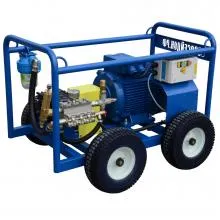
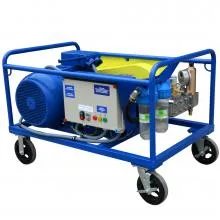
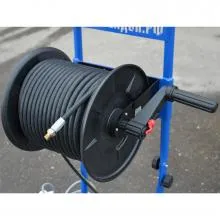
АВД Посейдон E2-140-8-Gun (ВНА-140-8Б).АВД Посейдон E2-140-8-Gun (ВНА-140-8Б). ФотоАВД Посейдон E2-140-8-Gun (ВНА-140-8Б). ФотографияАВД Посейдон E2-140-8-Gun (ВНА-140-8Б). Картинка
коротко о товаре
от 36 505,00 ₽
Как отправить запрос, уточнить цену и получить предложение?
  • 1 Нажмите на кнопку "Отправить запрос"
  • 2 В открывшейся форме укажите контактные данные и отправьте предварительную заявку
  • 3 Поставщик уточнит детали и предоставит предложение на поставку товара
  • 4 Вы можете принять предложение или выбрать другого поставщика
ГК Новые технологии Казань показать телефон
<
>
Безналичный расчет, Банковский перевод подробнее
Транспотрная компания подробнее
Чтобы купить АВД Посейдон E2-140-8-Gun (ВНА-140-8Б), вам нужно отправить запрос или связаться с поставщиком.
  • Характеристики
  • Описание
  • Отзывы (1677)
Характеристики

ВСЕ ХАРАКТЕРИСТИКИ ТОВАРА АВД Посейдон E2-140-8-Gun (ВНА-140-8Б)
Характеристика Значение
Марка
ПОСЕЙДОН (Россия)
Тип двигателя Электрический
Давление 140 бар
Расход воды 8 л/мин
Комплектация Мытье поверхностей
Характеристика Значение
Исполнение Обычное
Исполнение по мобильности Мобильное (на колесах)
Котел нагрева воды Нет
Вес 38 кг
Габариты, мм 565 х 500 х 1040
Описание
описание

АВД Посейдон (220В 1,9кВт, насос ANNOVI REVERBERI (ИТАЛИЯ) 140бар, 8л/мин, шланг прох. 6мм х 15м, пистолет, 1 форс.для поверхностей) Гарантия 1 год.

Описание:
Гидродинамический аппарат производится на базе электрического двигателя и комплектуется надежным насосом производства Италии.
С применением инновационных форсунок замедленного вращения Warthog аппарат способен очищать канализационные сети с самыми тяжелыми загрязнениями.
Аппарат позволяет эффективно чистить любые поверхности: транспортные средства, фасады зданий, строительную технику, цеха предприятий и др.
Исполнение на колесах позволяет легко грузить, выгружать и перемещать аппарат. Нет необходимости держать специальный прицеп под этот аппарат. Для использования в условиях недостатка воды аппарат комплектуется баками для воды емкостью 200 – 1000 л и подкачивающими насосами.

Особенности:
• Питание от стандартной сети 220В
• Надежный европейский двигатель
• Компактная и эргономичная конструкция – перевозка осуществляется одним человеком
• Разборная конструкции рамы – легко умещается в багажнике легкового автомобиля
• Литые колеса для удобства перемещения аппарата без опасности повреждения
• В стандартной комплектации проточный фильтр с возможностью промывки
• В качестве дополнительной опции устанавливается защита от сухого хода насоса
• Обширный ассортимент дополнительных аксессуаров

Аксессуары:
• Большой выбор трубоочистных форсунок
• Ножные переключатели (педали), удобны при работе по очистке труб
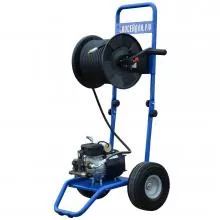
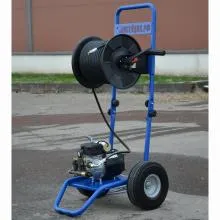
• Барабаны для шланга (удобны при очистке канализации)
• Комплект для очистки поверхности (пистолет, копье, шланги)
• Инжекторный насос для откачивания шлама
• Плоские, точечные и роторные форсунки для поверхностей
• Спецодежда
• Дополнительные системы фильтрации

Технические характеристики:
• Водоснабжение - Техническая вода, до 60°С (рекомендуемая до 45°С)
• Рабочее давление - 140 бар
• Расход воды - 8 л/мин
• Регулировка давления - Автоматическая (обеспечивается системой Total stop)
• Система Total-Stop - Есть
• Насос высокого давления - Аксиальный Annovi Reverberi (Италия)
• Защита насоса ВД - Оборудован системой Total stop и, как следствие, защитой от перегрева насоса ВД
• Тип привода - Электрический двигатель Ravel (Италия)
• Мощность двигателя - 1,9 кВт (220В, 50Гц)
• Защита двигателя - От перегрузки по току
• Исполнение - Мобильное (тележка на двух литых колесах)
• Форсунки в комплекте (в комплектации "Reel") - 2 оптимизированные форсунки ЗЕТ из хирургической стали 40X13 с углом выхода задних струй 20 градусов (оптимальный угол для данного потока) с передним боем и без
• Пенокомплект - Оснащение аппарата комплектом для нанесения хим. растворов, включая емкость для пены 10 литров, смонтированную на раме аппарата (опция F)

Отзывы (1677)
АВД Посейдон E2-140-8-Gun (ВНА-140-8Б)
The survivors of recent crashes were sitting at the back of the plane. What does that tell us about airplane safety? kraken тор браузер Look at the photos of the two fatal air crashes of the last two weeks, and amid the horror and the anguish, one thought might come to mind for frequent flyers. The old frequent-flyer adage is that sitting at the back of the plane is a safer place to be than at the front — and the wreckage of both Azerbaijan Airlines flight 8243 and Jeju Air flight 2216 seem to bear that out. https://kra26c.cc Џлощадка кракен The 29 survivors of the Azeri crash were all sitting at the back of the plane, which split into two, leaving the rear half largely intact. The sole survivors of the South Korean crash, meanwhile, were the two flight attendants in their jumpseats in the very tail of the plane. So is that old adage — and the dark humor jokes about first and business class seats being good until there’s a problem with the plane — right after all? In 2015, TIME Magazine reporters wrote that they had combed through the records of all US plane crashes with both fatalities and survivors from 1985 to 2000, and found in a meta-analysis that seats in the back third of the aircraft had a 32% fatality rate overall, compared with 38% in the front third and 39% in the middle third. Even better, they found, were middle seats in that back third of the cabin, with a 28% fatality rate. The “worst” seats were aisles in the middle third of the aircraft, with a 44% fatality rate. But does that still hold true in 2024? According to aviation safety experts, it’s an old wives’ tale. “There isn’t any data that shows a correlation of seating to survivability,” says Hassan Shahidi, president of the Flight Safety Foundation. “Every accident is different.” “If we’re talking about a fatal crash, then there is almost no difference where one sits,” says Cheng-Lung Wu, associate professor at the School of Aviation of the University of New South Wales, Sydney. Ed Galea, professor of fire safety engineering at London’s University of Greenwich, who has conducted landmark studies on plane crash evacuations, warns, “There is no magic safest seat.”

The survivors of recent crashes were sitting at the back of the plane. What does that tell us about airplane safety? kraken тор браузер Look at the photos of the two fatal air crashes of the last two weeks, and amid the horror and the anguish, one thought might come to mind for frequent flyers. The old frequent-flyer adage is that sitting at the back of the plane is a safer place to be than at the front — and the wreckage of both Azerbaijan Airlines flight 8243 and Jeju Air flight 2216 seem to bear that out. https://kra26c.cc Џлощадка кракен The 29 survivors of the Azeri crash were all sitting at the back of the plane, which split into two, leaving the rear half largely intact. The sole survivors of the South Korean crash, meanwhile, were the two flight attendants in their jumpseats in the very tail of the plane. So is that old adage — and the dark humor jokes about first and business class seats being good until there’s a problem with the plane — right after all? In 2015, TIME Magazine reporters wrote that they had combed through the records of all US plane crashes with both fatalities and survivors from 1985 to 2000, and found in a meta-analysis that seats in the back third of the aircraft had a 32% fatality rate overall, compared with 38% in the front third and 39% in the middle third. Even better, they found, were middle seats in that back third of the cabin, with a 28% fatality rate. The “worst” seats were aisles in the middle third of the aircraft, with a 44% fatality rate. But does that still hold true in 2024? According to aviation safety experts, it’s an old wives’ tale. “There isn’t any data that shows a correlation of seating to survivability,” says Hassan Shahidi, president of the Flight Safety Foundation. “Every accident is different.” “If we’re talking about a fatal crash, then there is almost no difference where one sits,” says Cheng-Lung Wu, associate professor at the School of Aviation of the University of New South Wales, Sydney. Ed Galea, professor of fire safety engineering at London’s University of Greenwich, who has conducted landmark studies on plane crash evacuations, warns, “There is no magic safest seat.”

The survivors of recent crashes were sitting at the back of the plane. What does that tell us about airplane safety? kraken тор браузер Look at the photos of the two fatal air crashes of the last two weeks, and amid the horror and the anguish, one thought might come to mind for frequent flyers. The old frequent-flyer adage is that sitting at the back of the plane is a safer place to be than at the front — and the wreckage of both Azerbaijan Airlines flight 8243 and Jeju Air flight 2216 seem to bear that out. https://kra26c.cc Џлощадка кракен The 29 survivors of the Azeri crash were all sitting at the back of the plane, which split into two, leaving the rear half largely intact. The sole survivors of the South Korean crash, meanwhile, were the two flight attendants in their jumpseats in the very tail of the plane. So is that old adage — and the dark humor jokes about first and business class seats being good until there’s a problem with the plane — right after all? In 2015, TIME Magazine reporters wrote that they had combed through the records of all US plane crashes with both fatalities and survivors from 1985 to 2000, and found in a meta-analysis that seats in the back third of the aircraft had a 32% fatality rate overall, compared with 38% in the front third and 39% in the middle third. Even better, they found, were middle seats in that back third of the cabin, with a 28% fatality rate. The “worst” seats were aisles in the middle third of the aircraft, with a 44% fatality rate. But does that still hold true in 2024? According to aviation safety experts, it’s an old wives’ tale. “There isn’t any data that shows a correlation of seating to survivability,” says Hassan Shahidi, president of the Flight Safety Foundation. “Every accident is different.” “If we’re talking about a fatal crash, then there is almost no difference where one sits,” says Cheng-Lung Wu, associate professor at the School of Aviation of the University of New South Wales, Sydney. Ed Galea, professor of fire safety engineering at London’s University of Greenwich, who has conducted landmark studies on plane crash evacuations, warns, “There is no magic safest seat.”

АВД Посейдон E2-140-8-Gun (ВНА-140-8Б)

The survivors of recent crashes were sitting at the back of the plane. What does that tell us about airplane safety? [url=https://kra26c.cc]kraken вход[/url] Look at the photos of the two fatal air crashes of the last two weeks, and amid the horror and the anguish, one thought might come to mind for frequent flyers. The old frequent-flyer adage is that sitting at the back of the plane is a safer place to be than at the front — and the wreckage of both Azerbaijan Airlines flight 8243 and Jeju Air flight 2216 seem to bear that out. https://kra26c.cc kraken зайти The 29 survivors of the Azeri crash were all sitting at the back of the plane, which split into two, leaving the rear half largely intact. The sole survivors of the South Korean crash, meanwhile, were the two flight attendants in their jumpseats in the very tail of the plane. So is that old adage — and the dark humor jokes about first and business class seats being good until there’s a problem with the plane — right after all? In 2015, TIME Magazine reporters wrote that they had combed through the records of all US plane crashes with both fatalities and survivors from 1985 to 2000, and found in a meta-analysis that seats in the back third of the aircraft had a 32% fatality rate overall, compared with 38% in the front third and 39% in the middle third. Even better, they found, were middle seats in that back third of the cabin, with a 28% fatality rate. The “worst” seats were aisles in the middle third of the aircraft, with a 44% fatality rate. But does that still hold true in 2024? According to aviation safety experts, it’s an old wives’ tale. “There isn’t any data that shows a correlation of seating to survivability,” says Hassan Shahidi, president of the Flight Safety Foundation. “Every accident is different.” “If we’re talking about a fatal crash, then there is almost no difference where one sits,” says Cheng-Lung Wu, associate professor at the School of Aviation of the University of New South Wales, Sydney. Ed Galea, professor of fire safety engineering at London’s University of Greenwich, who has conducted landmark studies on plane crash evacuations, warns, “There is no magic safest seat.”

The survivors of recent crashes were sitting at the back of the plane. What does that tell us about airplane safety? [url=https://kra26c.cc]kraken вход[/url] Look at the photos of the two fatal air crashes of the last two weeks, and amid the horror and the anguish, one thought might come to mind for frequent flyers. The old frequent-flyer adage is that sitting at the back of the plane is a safer place to be than at the front — and the wreckage of both Azerbaijan Airlines flight 8243 and Jeju Air flight 2216 seem to bear that out. https://kra26c.cc kraken зайти The 29 survivors of the Azeri crash were all sitting at the back of the plane, which split into two, leaving the rear half largely intact. The sole survivors of the South Korean crash, meanwhile, were the two flight attendants in their jumpseats in the very tail of the plane. So is that old adage — and the dark humor jokes about first and business class seats being good until there’s a problem with the plane — right after all? In 2015, TIME Magazine reporters wrote that they had combed through the records of all US plane crashes with both fatalities and survivors from 1985 to 2000, and found in a meta-analysis that seats in the back third of the aircraft had a 32% fatality rate overall, compared with 38% in the front third and 39% in the middle third. Even better, they found, were middle seats in that back third of the cabin, with a 28% fatality rate. The “worst” seats were aisles in the middle third of the aircraft, with a 44% fatality rate. But does that still hold true in 2024? According to aviation safety experts, it’s an old wives’ tale. “There isn’t any data that shows a correlation of seating to survivability,” says Hassan Shahidi, president of the Flight Safety Foundation. “Every accident is different.” “If we’re talking about a fatal crash, then there is almost no difference where one sits,” says Cheng-Lung Wu, associate professor at the School of Aviation of the University of New South Wales, Sydney. Ed Galea, professor of fire safety engineering at London’s University of Greenwich, who has conducted landmark studies on plane crash evacuations, warns, “There is no magic safest seat.”

The survivors of recent crashes were sitting at the back of the plane. What does that tell us about airplane safety? [url=https://kra26c.cc]kraken вход[/url] Look at the photos of the two fatal air crashes of the last two weeks, and amid the horror and the anguish, one thought might come to mind for frequent flyers. The old frequent-flyer adage is that sitting at the back of the plane is a safer place to be than at the front — and the wreckage of both Azerbaijan Airlines flight 8243 and Jeju Air flight 2216 seem to bear that out. https://kra26c.cc kraken зайти The 29 survivors of the Azeri crash were all sitting at the back of the plane, which split into two, leaving the rear half largely intact. The sole survivors of the South Korean crash, meanwhile, were the two flight attendants in their jumpseats in the very tail of the plane. So is that old adage — and the dark humor jokes about first and business class seats being good until there’s a problem with the plane — right after all? In 2015, TIME Magazine reporters wrote that they had combed through the records of all US plane crashes with both fatalities and survivors from 1985 to 2000, and found in a meta-analysis that seats in the back third of the aircraft had a 32% fatality rate overall, compared with 38% in the front third and 39% in the middle third. Even better, they found, were middle seats in that back third of the cabin, with a 28% fatality rate. The “worst” seats were aisles in the middle third of the aircraft, with a 44% fatality rate. But does that still hold true in 2024? According to aviation safety experts, it’s an old wives’ tale. “There isn’t any data that shows a correlation of seating to survivability,” says Hassan Shahidi, president of the Flight Safety Foundation. “Every accident is different.” “If we’re talking about a fatal crash, then there is almost no difference where one sits,” says Cheng-Lung Wu, associate professor at the School of Aviation of the University of New South Wales, Sydney. Ed Galea, professor of fire safety engineering at London’s University of Greenwich, who has conducted landmark studies on plane crash evacuations, warns, “There is no magic safest seat.”

АВД Посейдон E2-140-8-Gun (ВНА-140-8Б)
A year ago today, things went from bad to worse for Boeing [url=https://kra26c.cc]kraken marketplace[/url] At 5 p.m. PT on January 5, 2024, Boeing seemed like a company on the upswing. It didn’t last. Minutes later, a near-tragedy set off a full year of problems. As Alaska Airlines flight 1282 climbed to 16,000 feet in its departure from Portland, Oregon, a door plug blew out near the rear of the plane, leaving a gaping hole in the fuselage. Phones and clothing were ripped away from passengers and sent hurtling into the night sky. Oxygen masks dropped, and the rush of air twisted seats next to the hole toward the opening. https://kra26c.cc kraken войти Fortunately, those were among the few empty seats on the flight, and the crew got the plane on the ground without any serious injuries. The incident could have been far worse — even a fatal crash. Not much has gone right for Boeing ever since. The company has had one misstep after another, ranging from embarrassing to horrifying. And many of the problems are poised to extend into 2025 and perhaps beyond. The problems were capped by another Boeing crash in South Korea that killed 179 people on December 29 in what was in the year’s worst aviation disaster. The cause of the crash of a 15-year old Boeing jet flown by Korean discount carrier Jeju Air is still under investigation, and it is quite possible that Boeing will not be found liable for anything that led to the tragedy. But unlike the Jeju crash, most of the problems of the last 12 months have clearly been Boeing’s fault. And 2024 was the sixth straight year of serious problems for the once proud, now embattled company, starting with the 20-month grounding of its best selling plane, the 737 Max, following two fatal crashes in late 2018 and early 2019, which killed 346 people. Still the outlook for 2024 right before the Alaska Air incident had been somewhat promising. The company had just achieved the best sales month in its history in December 2023, capping its strongest sales year since 2018. It was believed to be on the verge of getting Federal Aviation Administration approval for two new models, the 737 Max 7 and Max 10, with airline customers eager to take delivery. Approvals and deliveries of its next generation widebody, the 777X, were believed to be close behind. Its production rate had been climbing and there were hopes that it could be on the verge of returning to profitability for the first time since 2018.

A year ago today, things went from bad to worse for Boeing [url=https://kra26c.cc]kraken marketplace[/url] At 5 p.m. PT on January 5, 2024, Boeing seemed like a company on the upswing. It didn’t last. Minutes later, a near-tragedy set off a full year of problems. As Alaska Airlines flight 1282 climbed to 16,000 feet in its departure from Portland, Oregon, a door plug blew out near the rear of the plane, leaving a gaping hole in the fuselage. Phones and clothing were ripped away from passengers and sent hurtling into the night sky. Oxygen masks dropped, and the rush of air twisted seats next to the hole toward the opening. https://kra26c.cc kraken войти Fortunately, those were among the few empty seats on the flight, and the crew got the plane on the ground without any serious injuries. The incident could have been far worse — even a fatal crash. Not much has gone right for Boeing ever since. The company has had one misstep after another, ranging from embarrassing to horrifying. And many of the problems are poised to extend into 2025 and perhaps beyond. The problems were capped by another Boeing crash in South Korea that killed 179 people on December 29 in what was in the year’s worst aviation disaster. The cause of the crash of a 15-year old Boeing jet flown by Korean discount carrier Jeju Air is still under investigation, and it is quite possible that Boeing will not be found liable for anything that led to the tragedy. But unlike the Jeju crash, most of the problems of the last 12 months have clearly been Boeing’s fault. And 2024 was the sixth straight year of serious problems for the once proud, now embattled company, starting with the 20-month grounding of its best selling plane, the 737 Max, following two fatal crashes in late 2018 and early 2019, which killed 346 people. Still the outlook for 2024 right before the Alaska Air incident had been somewhat promising. The company had just achieved the best sales month in its history in December 2023, capping its strongest sales year since 2018. It was believed to be on the verge of getting Federal Aviation Administration approval for two new models, the 737 Max 7 and Max 10, with airline customers eager to take delivery. Approvals and deliveries of its next generation widebody, the 777X, were believed to be close behind. Its production rate had been climbing and there were hopes that it could be on the verge of returning to profitability for the first time since 2018.

A year ago today, things went from bad to worse for Boeing [url=https://kra26c.cc]kraken marketplace[/url] At 5 p.m. PT on January 5, 2024, Boeing seemed like a company on the upswing. It didn’t last. Minutes later, a near-tragedy set off a full year of problems. As Alaska Airlines flight 1282 climbed to 16,000 feet in its departure from Portland, Oregon, a door plug blew out near the rear of the plane, leaving a gaping hole in the fuselage. Phones and clothing were ripped away from passengers and sent hurtling into the night sky. Oxygen masks dropped, and the rush of air twisted seats next to the hole toward the opening. https://kra26c.cc kraken войти Fortunately, those were among the few empty seats on the flight, and the crew got the plane on the ground without any serious injuries. The incident could have been far worse — even a fatal crash. Not much has gone right for Boeing ever since. The company has had one misstep after another, ranging from embarrassing to horrifying. And many of the problems are poised to extend into 2025 and perhaps beyond. The problems were capped by another Boeing crash in South Korea that killed 179 people on December 29 in what was in the year’s worst aviation disaster. The cause of the crash of a 15-year old Boeing jet flown by Korean discount carrier Jeju Air is still under investigation, and it is quite possible that Boeing will not be found liable for anything that led to the tragedy. But unlike the Jeju crash, most of the problems of the last 12 months have clearly been Boeing’s fault. And 2024 was the sixth straight year of serious problems for the once proud, now embattled company, starting with the 20-month grounding of its best selling plane, the 737 Max, following two fatal crashes in late 2018 and early 2019, which killed 346 people. Still the outlook for 2024 right before the Alaska Air incident had been somewhat promising. The company had just achieved the best sales month in its history in December 2023, capping its strongest sales year since 2018. It was believed to be on the verge of getting Federal Aviation Administration approval for two new models, the 737 Max 7 and Max 10, with airline customers eager to take delivery. Approvals and deliveries of its next generation widebody, the 777X, were believed to be close behind. Its production rate had been climbing and there were hopes that it could be on the verge of returning to profitability for the first time since 2018.

АВД Посейдон E2-140-8-Gun (ВНА-140-8Б)

Most plane crashes are ‘survivable’ [url=https://kra26c.cc]kraken ссылка[/url] First, the good news. “The vast majority of aircraft accidents are survivable, and the majority of people in accidents survive,” says Galea. Since 1988, aircraft — and the seats inside them — must be built to withstand an impact of up to 16G, or g-force up to 16 times the force of gravity. That means, he says, that in most incidents, “it’s possible to survive the trauma of the impact of the crash.” For instance, he classes the initial Jeju Air incident as survivable — an assumed bird strike, engine loss and belly landing on the runway, without functioning landing gear. “Had it not smashed into the concrete reinforced obstacle at the end of the runway, it’s quite possible the majority, if not everyone, could have survived,” he says. The Azerbaijan Airlines crash, on the other hand, he classes as a non-survivable accident, and calls it a “miracle” that anyone made it out alive. https://kra26c.cc kraken ссылка Most aircraft involved in accidents, however, are not — as suspicion is growing over the Azerbaijan crash — shot out of the sky. And with modern planes built to withstand impacts and slow the spread of fire, Galea puts the chances of surviving a “survivable” accident at at least 90%. Instead, he says, what makes the difference between life and death in most modern accidents is how fast passengers can evacuate. Aircraft today must show that they can be evacuated in 90 seconds in order to gain certification. But a theoretical evacuation — practiced with volunteers at the manufacturers’ premises — is very different from the reality of a panicked public onboard a jet that has just crash-landed. Galea, an evacuation expert, has conducted research for the UK’s Civil Aviation Authority (CAA) looking at the most “survivable” seats on a plane. His landmark research, conducted over several years in the early 2000s, looked at how passengers and crew behaved during a post-crash evacuation, rather than looking at the crashes themselves. By compiling data from 1,917 passengers and 155 crew involved in 105 accidents from 1977 to 1999, his team created a database of human behavior around plane crashes. His analysis of which exits passengers actually used “shattered many myths about aircraft evacuation,” he says. “Prior to my study, it was believed that passengers tend to use their boarding exit because it was the most familiar, and that passengers tend to go forward. My analysis of the data demonstrated that none of these myths were supported by the evidence.”

Most plane crashes are ‘survivable’ [url=https://kra26c.cc]kraken ссылка[/url] First, the good news. “The vast majority of aircraft accidents are survivable, and the majority of people in accidents survive,” says Galea. Since 1988, aircraft — and the seats inside them — must be built to withstand an impact of up to 16G, or g-force up to 16 times the force of gravity. That means, he says, that in most incidents, “it’s possible to survive the trauma of the impact of the crash.” For instance, he classes the initial Jeju Air incident as survivable — an assumed bird strike, engine loss and belly landing on the runway, without functioning landing gear. “Had it not smashed into the concrete reinforced obstacle at the end of the runway, it’s quite possible the majority, if not everyone, could have survived,” he says. The Azerbaijan Airlines crash, on the other hand, he classes as a non-survivable accident, and calls it a “miracle” that anyone made it out alive. https://kra26c.cc kraken ссылка Most aircraft involved in accidents, however, are not — as suspicion is growing over the Azerbaijan crash — shot out of the sky. And with modern planes built to withstand impacts and slow the spread of fire, Galea puts the chances of surviving a “survivable” accident at at least 90%. Instead, he says, what makes the difference between life and death in most modern accidents is how fast passengers can evacuate. Aircraft today must show that they can be evacuated in 90 seconds in order to gain certification. But a theoretical evacuation — practiced with volunteers at the manufacturers’ premises — is very different from the reality of a panicked public onboard a jet that has just crash-landed. Galea, an evacuation expert, has conducted research for the UK’s Civil Aviation Authority (CAA) looking at the most “survivable” seats on a plane. His landmark research, conducted over several years in the early 2000s, looked at how passengers and crew behaved during a post-crash evacuation, rather than looking at the crashes themselves. By compiling data from 1,917 passengers and 155 crew involved in 105 accidents from 1977 to 1999, his team created a database of human behavior around plane crashes. His analysis of which exits passengers actually used “shattered many myths about aircraft evacuation,” he says. “Prior to my study, it was believed that passengers tend to use their boarding exit because it was the most familiar, and that passengers tend to go forward. My analysis of the data demonstrated that none of these myths were supported by the evidence.”

Most plane crashes are ‘survivable’ [url=https://kra26c.cc]kraken ссылка[/url] First, the good news. “The vast majority of aircraft accidents are survivable, and the majority of people in accidents survive,” says Galea. Since 1988, aircraft — and the seats inside them — must be built to withstand an impact of up to 16G, or g-force up to 16 times the force of gravity. That means, he says, that in most incidents, “it’s possible to survive the trauma of the impact of the crash.” For instance, he classes the initial Jeju Air incident as survivable — an assumed bird strike, engine loss and belly landing on the runway, without functioning landing gear. “Had it not smashed into the concrete reinforced obstacle at the end of the runway, it’s quite possible the majority, if not everyone, could have survived,” he says. The Azerbaijan Airlines crash, on the other hand, he classes as a non-survivable accident, and calls it a “miracle” that anyone made it out alive. https://kra26c.cc kraken ссылка Most aircraft involved in accidents, however, are not — as suspicion is growing over the Azerbaijan crash — shot out of the sky. And with modern planes built to withstand impacts and slow the spread of fire, Galea puts the chances of surviving a “survivable” accident at at least 90%. Instead, he says, what makes the difference between life and death in most modern accidents is how fast passengers can evacuate. Aircraft today must show that they can be evacuated in 90 seconds in order to gain certification. But a theoretical evacuation — practiced with volunteers at the manufacturers’ premises — is very different from the reality of a panicked public onboard a jet that has just crash-landed. Galea, an evacuation expert, has conducted research for the UK’s Civil Aviation Authority (CAA) looking at the most “survivable” seats on a plane. His landmark research, conducted over several years in the early 2000s, looked at how passengers and crew behaved during a post-crash evacuation, rather than looking at the crashes themselves. By compiling data from 1,917 passengers and 155 crew involved in 105 accidents from 1977 to 1999, his team created a database of human behavior around plane crashes. His analysis of which exits passengers actually used “shattered many myths about aircraft evacuation,” he says. “Prior to my study, it was believed that passengers tend to use their boarding exit because it was the most familiar, and that passengers tend to go forward. My analysis of the data demonstrated that none of these myths were supported by the evidence.”

АВД Посейдон E2-140-8-Gun (ВНА-140-8Б)

What’s on board this flight Blue Origin had planned to launch a pair of Mars-bound satellites on behalf of NASA for the first flight of New Glenn. But delays with the rocket’s development prompted the space agency to change course, moving that flight to this spring at the earliest. So for this inaugural flight, Blue Origin opted to instead fly a “demonstrator” that will test technology needed for the company’s proposed Blue Ring spacecraft — which will aim to serve as a sort of in-space rideshare vehicle, dragging satellites deeper into space when needed. [url=https://omgprice10.com]omgprice10 cc[/url] The demonstrator on this New Glenn flight will remain aboard the rocket for the entire six-hour flight, Blue Origin said, and it will validate “communications capabilities from orbit to ground” as well as “test its in-space telemetry, tracking and command hardware, and ground-based radiometric tracking.” The Blue Ring Pathfinder demonstrator is part of a deal Blue Origin inked with the US Department of Defense’s Defense Innovation Unit. https://omgprice10.com омг Why Blue Origin wants to reuse rockets Similar to SpaceX, Blue Origin is aiming to recover and refly its first-stage rocket boosters in a bid to make launches less expensive. “Reusability is integral to radically reducing cost-per-launch,” the company said in a recent news release, using the same oft-repeated sentiment that SpaceX has touted since it began landing rocket boosters in 2015. Bezos, however, has acknowledged the importance of reusing rocket parts since he founded the company in 2000 — two years before Musk established SpaceX. And the company has already developed its suborbital New Shepard tourism rocket to be reusable. “It’s not a copy cat game,” Henry said. “Blue Origin has been pursuing reusable vehicles since before reusable vehicles were cool. Now it’s much more of a mainstream idea (because of SpaceX). The difference is that it’s taken Blue Origin so much longer to get to orbit.” If successful, returning the New Glenn rocket booster for a safe landing will be a stunning feat. After expending most of its fuel to propel the rocket’s upper stage to space, the first-stage booster will need to make a clean separation. The booster must then maneuver with pinpoint guidance and reignite its engines with precision timing to avoid crashing into the ocean or the Jacklyn recovery platform.

What’s on board this flight Blue Origin had planned to launch a pair of Mars-bound satellites on behalf of NASA for the first flight of New Glenn. But delays with the rocket’s development prompted the space agency to change course, moving that flight to this spring at the earliest. So for this inaugural flight, Blue Origin opted to instead fly a “demonstrator” that will test technology needed for the company’s proposed Blue Ring spacecraft — which will aim to serve as a sort of in-space rideshare vehicle, dragging satellites deeper into space when needed. [url=https://omgprice10.com]omgprice10 cc[/url] The demonstrator on this New Glenn flight will remain aboard the rocket for the entire six-hour flight, Blue Origin said, and it will validate “communications capabilities from orbit to ground” as well as “test its in-space telemetry, tracking and command hardware, and ground-based radiometric tracking.” The Blue Ring Pathfinder demonstrator is part of a deal Blue Origin inked with the US Department of Defense’s Defense Innovation Unit. https://omgprice10.com омг Why Blue Origin wants to reuse rockets Similar to SpaceX, Blue Origin is aiming to recover and refly its first-stage rocket boosters in a bid to make launches less expensive. “Reusability is integral to radically reducing cost-per-launch,” the company said in a recent news release, using the same oft-repeated sentiment that SpaceX has touted since it began landing rocket boosters in 2015. Bezos, however, has acknowledged the importance of reusing rocket parts since he founded the company in 2000 — two years before Musk established SpaceX. And the company has already developed its suborbital New Shepard tourism rocket to be reusable. “It’s not a copy cat game,” Henry said. “Blue Origin has been pursuing reusable vehicles since before reusable vehicles were cool. Now it’s much more of a mainstream idea (because of SpaceX). The difference is that it’s taken Blue Origin so much longer to get to orbit.” If successful, returning the New Glenn rocket booster for a safe landing will be a stunning feat. After expending most of its fuel to propel the rocket’s upper stage to space, the first-stage booster will need to make a clean separation. The booster must then maneuver with pinpoint guidance and reignite its engines with precision timing to avoid crashing into the ocean or the Jacklyn recovery platform.

What’s on board this flight Blue Origin had planned to launch a pair of Mars-bound satellites on behalf of NASA for the first flight of New Glenn. But delays with the rocket’s development prompted the space agency to change course, moving that flight to this spring at the earliest. So for this inaugural flight, Blue Origin opted to instead fly a “demonstrator” that will test technology needed for the company’s proposed Blue Ring spacecraft — which will aim to serve as a sort of in-space rideshare vehicle, dragging satellites deeper into space when needed. [url=https://omgprice10.com]omgprice10 cc[/url] The demonstrator on this New Glenn flight will remain aboard the rocket for the entire six-hour flight, Blue Origin said, and it will validate “communications capabilities from orbit to ground” as well as “test its in-space telemetry, tracking and command hardware, and ground-based radiometric tracking.” The Blue Ring Pathfinder demonstrator is part of a deal Blue Origin inked with the US Department of Defense’s Defense Innovation Unit. https://omgprice10.com омг Why Blue Origin wants to reuse rockets Similar to SpaceX, Blue Origin is aiming to recover and refly its first-stage rocket boosters in a bid to make launches less expensive. “Reusability is integral to radically reducing cost-per-launch,” the company said in a recent news release, using the same oft-repeated sentiment that SpaceX has touted since it began landing rocket boosters in 2015. Bezos, however, has acknowledged the importance of reusing rocket parts since he founded the company in 2000 — two years before Musk established SpaceX. And the company has already developed its suborbital New Shepard tourism rocket to be reusable. “It’s not a copy cat game,” Henry said. “Blue Origin has been pursuing reusable vehicles since before reusable vehicles were cool. Now it’s much more of a mainstream idea (because of SpaceX). The difference is that it’s taken Blue Origin so much longer to get to orbit.” If successful, returning the New Glenn rocket booster for a safe landing will be a stunning feat. After expending most of its fuel to propel the rocket’s upper stage to space, the first-stage booster will need to make a clean separation. The booster must then maneuver with pinpoint guidance and reignite its engines with precision timing to avoid crashing into the ocean or the Jacklyn recovery platform.

Страницы

Похожие товары:
АВД Посейдон E2-140-8-Gun (ВНА-140-8Б)
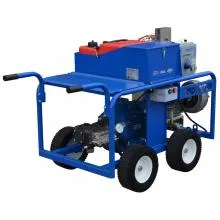
АВД Посейдон E7-200-20-Th-Gun (ВНА-ЭГ-200-20-А)
АВД Посейдон E2-140-8-Gun (ВНА-140-8Б)
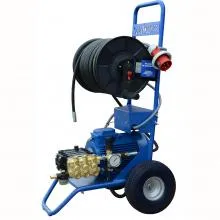
АВД Посейдон E5-180-13-Gun (ВНА-180-13А)
АВД Посейдон E2-140-8-Gun (ВНА-140-8Б)
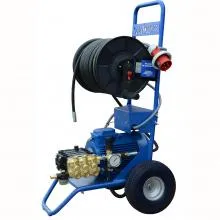
АВД Посейдон E4-160-14-IP-Gun
АВД Посейдон E2-140-8-Gun (ВНА-140-8Б)
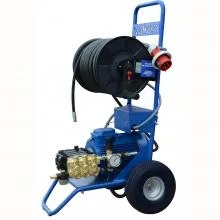
АВД Посейдон E5-200-15-IP-Gun-MZ-TST-FC
АВД Посейдон E2-140-8-Gun (ВНА-140-8Б)
АВД Посейдон E15-500-17-UD-Gun 1070
АВД Посейдон E2-140-8-Gun (ВНА-140-8Б)
АВД Посейдон E37-600-30-Gun