Каталог
Сравнение

Сообщение об ошибке

  • Warning: fopen(/mnt/mopra/www/cache/sites_default_cache_form/form_form-Tbx8lmmnwdpuLiVu1-FoQPD0kK_sk3rwtVaDNmTolb0): failed to open stream: No space left on device в функции DrupalFileCache->set() (строка 341 в файле /mnt/mopra/www/src/sites/all/modules/filecache/filecache.inc).
  • Warning: fopen(/mnt/mopra/www/cache/sites_default_cache_form/form_state_form-Tbx8lmmnwdpuLiVu1-FoQPD0kK_sk3rwtVaDNmTolb0): failed to open stream: No space left on device в функции DrupalFileCache->set() (строка 341 в файле /mnt/mopra/www/src/sites/all/modules/filecache/filecache.inc).
  • Warning: fopen(/mnt/mopra/www/cache/sites_default_cache_form/form_form-ylWbVSXaLVdYMBwM2-yB4-nbIuxuanz5XZw2WCpHqXs): failed to open stream: No space left on device в функции DrupalFileCache->set() (строка 341 в файле /mnt/mopra/www/src/sites/all/modules/filecache/filecache.inc).

Вы здесь

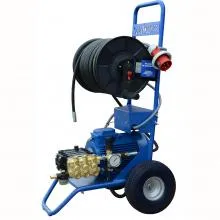
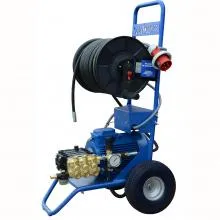
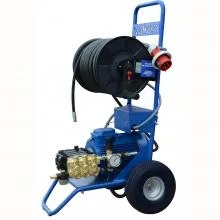
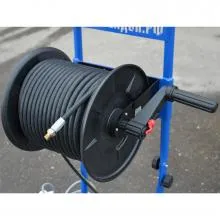
АВД Посейдон E2-140-8-Gun (ВНА-140-8Б).АВД Посейдон E2-140-8-Gun (ВНА-140-8Б). ФотоАВД Посейдон E2-140-8-Gun (ВНА-140-8Б). ФотографияАВД Посейдон E2-140-8-Gun (ВНА-140-8Б). Картинка
коротко о товаре
от 36 505,00 ₽
Как отправить запрос, уточнить цену и получить предложение?
  • 1 Нажмите на кнопку "Отправить запрос"
  • 2 В открывшейся форме укажите контактные данные и отправьте предварительную заявку
  • 3 Поставщик уточнит детали и предоставит предложение на поставку товара
  • 4 Вы можете принять предложение или выбрать другого поставщика
ГК Новые технологии Казань показать телефон
<
>
Безналичный расчет, Банковский перевод подробнее
Транспотрная компания подробнее
Чтобы купить АВД Посейдон E2-140-8-Gun (ВНА-140-8Б), вам нужно отправить запрос или связаться с поставщиком.
  • Характеристики
  • Описание
  • Отзывы (1676)
Характеристики

ВСЕ ХАРАКТЕРИСТИКИ ТОВАРА АВД Посейдон E2-140-8-Gun (ВНА-140-8Б)

Характеристика Значение
Марка
ПОСЕЙДОН (Россия)
Тип двигателя Электрический
Давление 140 бар
Расход воды 8 л/мин
Комплектация Мытье поверхностей
Характеристика Значение
Исполнение Обычное
Исполнение по мобильности Мобильное (на колесах)
Котел нагрева воды Нет
Вес 38 кг
Габариты, мм 565 х 500 х 1040
Описание
описание

АВД Посейдон (220В 1,9кВт, насос ANNOVI REVERBERI (ИТАЛИЯ) 140бар, 8л/мин, шланг прох. 6мм х 15м, пистолет, 1 форс.для поверхностей) Гарантия 1 год.

Описание:
Гидродинамический аппарат производится на базе электрического двигателя и комплектуется надежным насосом производства Италии.
С применением инновационных форсунок замедленного вращения Warthog аппарат способен очищать канализационные сети с самыми тяжелыми загрязнениями.
Аппарат позволяет эффективно чистить любые поверхности: транспортные средства, фасады зданий, строительную технику, цеха предприятий и др.
Исполнение на колесах позволяет легко грузить, выгружать и перемещать аппарат. Нет необходимости держать специальный прицеп под этот аппарат. Для использования в условиях недостатка воды аппарат комплектуется баками для воды емкостью 200 – 1000 л и подкачивающими насосами.

Особенности:
• Питание от стандартной сети 220В
• Надежный европейский двигатель
• Компактная и эргономичная конструкция – перевозка осуществляется одним человеком
• Разборная конструкции рамы – легко умещается в багажнике легкового автомобиля
• Литые колеса для удобства перемещения аппарата без опасности повреждения
• В стандартной комплектации проточный фильтр с возможностью промывки
• В качестве дополнительной опции устанавливается защита от сухого хода насоса
• Обширный ассортимент дополнительных аксессуаров

Аксессуары:
• Большой выбор трубоочистных форсунок
• Ножные переключатели (педали), удобны при работе по очистке труб
• Барабаны для шланга (удобны при очистке канализации)
• Комплект для очистки поверхности (пистолет, копье, шланги)
• Инжекторный насос для откачивания шлама
• Плоские, точечные и роторные форсунки для поверхностей
• Спецодежда
• Дополнительные системы фильтрации

Технические характеристики:
• Водоснабжение - Техническая вода, до 60°С (рекомендуемая до 45°С)
• Рабочее давление - 140 бар
• Расход воды - 8 л/мин
• Регулировка давления - Автоматическая (обеспечивается системой Total stop)
• Система Total-Stop - Есть
• Насос высокого давления - Аксиальный Annovi Reverberi (Италия)
• Защита насоса ВД - Оборудован системой Total stop и, как следствие, защитой от перегрева насоса ВД
• Тип привода - Электрический двигатель Ravel (Италия)
• Мощность двигателя - 1,9 кВт (220В, 50Гц)
• Защита двигателя - От перегрузки по току
• Исполнение - Мобильное (тележка на двух литых колесах)
• Форсунки в комплекте (в комплектации "Reel") - 2 оптимизированные форсунки ЗЕТ из хирургической стали 40X13 с углом выхода задних струй 20 градусов (оптимальный угол для данного потока) с передним боем и без
• Пенокомплект - Оснащение аппарата комплектом для нанесения хим. растворов, включая емкость для пены 10 литров, смонтированную на раме аппарата (опция F)

Отзывы (1676)
АВД Посейдон E2-140-8-Gun (ВНА-140-8Б)

Beirut, Lebanon CNN — A deadly Israeli airstrike on Hezbollah’s stronghold in southern Beirut on Friday has left over a dozen people dead, including a high-ranking Hezbollah commander, sharply escalating the conflict between the two sides and raising fears of all-out war. [url=][/url] Senior Hezbollah commander Ibrahim Aqil, part of Hezbollah’s elite Radwan Force, was assassinated along with “about 10” other commanders, Israel Defense Forces (IDF) spokesperson Daniel Hagari said, accusing them of planning to raid and occupy communities in Galilee in northern Israel. Hezbollah confirmed Aqil’s death on Friday, saying he was killed “following a treacherous Israeli assassination operation on 09/20/2024 in the southern suburbs of Beirut.” According to Hagari, the targeted commanders were “underground underneath a residential building in the heart of the Dahiyeh neighborhood, using civilians as a human shield” at the time of the attack. Lebanon’s health ministry said at least 14 people were killed and 66 others injured in the airstrike, which leveled a multistory building in a densely populated neighborhood. Aqil had a $7 million bounty on his head from the United States for his suspected involvement in the 1983 strike on the US Embassy in Beirut, which killed 63 people, as well as the bombing of the Beirut Marine barracks, which killed 241 US personnel later that year. A CNN team on the ground in Beirut saw a frantic effort to rescue people from underneath the rubble and rush the wounded to hospital. Witnesses said nearby buildings shook for nearly half an hour after the strike, which the IDF said it had carried out at around 4 p.m. local time. A week of surprise attacks Friday’s strike marked the fourth consecutive day of surprise attacks on Beirut and other sites across the country, even as Israeli forces continued deadly strikes and operations in Gaza and the occupied West Bank. The first major attack against Hezbollah this week came Tuesday afternoon when pagers belonging to the militant groups’ members exploded near-simultaneously. The pagers had been used by Hezbollah to communicate after the group’s leader, Hassan Nasrallah, encouraged members to switch to low-tech devices to prevent more of them from being assassinated. Almost exactly 24 hours later, Lebanon was rocked by a second wave of explosions, after Hezbollah walkie-talkies detonated in Beirut and the south of the country on Wednesday. At least 37 people were killed, including some children, and more than 3,000 were injured in the twin attacks. In a United Nations Security Council meeting on Friday, UN human rights chief Volker Turk on Friday warned that the detonation of communication devices could violate international human rights law. Lebanese Foreign Minister Abdallah Bou Habib and Israeli Ambassador to the UN Danny Danon clashed at the heated meeting, with Bou Habib calling on the council to condemn Israel’s actions and Danon slamming the Lebanese envoy for not mentioning Hezbollah.

Beirut, Lebanon CNN — A deadly Israeli airstrike on Hezbollah’s stronghold in southern Beirut on Friday has left over a dozen people dead, including a high-ranking Hezbollah commander, sharply escalating the conflict between the two sides and raising fears of all-out war. [url=][/url] Senior Hezbollah commander Ibrahim Aqil, part of Hezbollah’s elite Radwan Force, was assassinated along with “about 10” other commanders, Israel Defense Forces (IDF) spokesperson Daniel Hagari said, accusing them of planning to raid and occupy communities in Galilee in northern Israel. Hezbollah confirmed Aqil’s death on Friday, saying he was killed “following a treacherous Israeli assassination operation on 09/20/2024 in the southern suburbs of Beirut.” According to Hagari, the targeted commanders were “underground underneath a residential building in the heart of the Dahiyeh neighborhood, using civilians as a human shield” at the time of the attack. Lebanon’s health ministry said at least 14 people were killed and 66 others injured in the airstrike, which leveled a multistory building in a densely populated neighborhood. Aqil had a $7 million bounty on his head from the United States for his suspected involvement in the 1983 strike on the US Embassy in Beirut, which killed 63 people, as well as the bombing of the Beirut Marine barracks, which killed 241 US personnel later that year. A CNN team on the ground in Beirut saw a frantic effort to rescue people from underneath the rubble and rush the wounded to hospital. Witnesses said nearby buildings shook for nearly half an hour after the strike, which the IDF said it had carried out at around 4 p.m. local time. A week of surprise attacks Friday’s strike marked the fourth consecutive day of surprise attacks on Beirut and other sites across the country, even as Israeli forces continued deadly strikes and operations in Gaza and the occupied West Bank. The first major attack against Hezbollah this week came Tuesday afternoon when pagers belonging to the militant groups’ members exploded near-simultaneously. The pagers had been used by Hezbollah to communicate after the group’s leader, Hassan Nasrallah, encouraged members to switch to low-tech devices to prevent more of them from being assassinated. Almost exactly 24 hours later, Lebanon was rocked by a second wave of explosions, after Hezbollah walkie-talkies detonated in Beirut and the south of the country on Wednesday. At least 37 people were killed, including some children, and more than 3,000 were injured in the twin attacks. In a United Nations Security Council meeting on Friday, UN human rights chief Volker Turk on Friday warned that the detonation of communication devices could violate international human rights law. Lebanese Foreign Minister Abdallah Bou Habib and Israeli Ambassador to the UN Danny Danon clashed at the heated meeting, with Bou Habib calling on the council to condemn Israel’s actions and Danon slamming the Lebanese envoy for not mentioning Hezbollah.

Beirut, Lebanon CNN — A deadly Israeli airstrike on Hezbollah’s stronghold in southern Beirut on Friday has left over a dozen people dead, including a high-ranking Hezbollah commander, sharply escalating the conflict between the two sides and raising fears of all-out war. [url=][/url] Senior Hezbollah commander Ibrahim Aqil, part of Hezbollah’s elite Radwan Force, was assassinated along with “about 10” other commanders, Israel Defense Forces (IDF) spokesperson Daniel Hagari said, accusing them of planning to raid and occupy communities in Galilee in northern Israel. Hezbollah confirmed Aqil’s death on Friday, saying he was killed “following a treacherous Israeli assassination operation on 09/20/2024 in the southern suburbs of Beirut.” According to Hagari, the targeted commanders were “underground underneath a residential building in the heart of the Dahiyeh neighborhood, using civilians as a human shield” at the time of the attack. Lebanon’s health ministry said at least 14 people were killed and 66 others injured in the airstrike, which leveled a multistory building in a densely populated neighborhood. Aqil had a $7 million bounty on his head from the United States for his suspected involvement in the 1983 strike on the US Embassy in Beirut, which killed 63 people, as well as the bombing of the Beirut Marine barracks, which killed 241 US personnel later that year. A CNN team on the ground in Beirut saw a frantic effort to rescue people from underneath the rubble and rush the wounded to hospital. Witnesses said nearby buildings shook for nearly half an hour after the strike, which the IDF said it had carried out at around 4 p.m. local time. A week of surprise attacks Friday’s strike marked the fourth consecutive day of surprise attacks on Beirut and other sites across the country, even as Israeli forces continued deadly strikes and operations in Gaza and the occupied West Bank. The first major attack against Hezbollah this week came Tuesday afternoon when pagers belonging to the militant groups’ members exploded near-simultaneously. The pagers had been used by Hezbollah to communicate after the group’s leader, Hassan Nasrallah, encouraged members to switch to low-tech devices to prevent more of them from being assassinated. Almost exactly 24 hours later, Lebanon was rocked by a second wave of explosions, after Hezbollah walkie-talkies detonated in Beirut and the south of the country on Wednesday. At least 37 people were killed, including some children, and more than 3,000 were injured in the twin attacks. In a United Nations Security Council meeting on Friday, UN human rights chief Volker Turk on Friday warned that the detonation of communication devices could violate international human rights law. Lebanese Foreign Minister Abdallah Bou Habib and Israeli Ambassador to the UN Danny Danon clashed at the heated meeting, with Bou Habib calling on the council to condemn Israel’s actions and Danon slamming the Lebanese envoy for not mentioning Hezbollah.

АВД Посейдон E2-140-8-Gun (ВНА-140-8Б)

Beirut, Lebanon CNN — A deadly Israeli airstrike on Hezbollah’s stronghold in southern Beirut on Friday has left over a dozen people dead, including a high-ranking Hezbollah commander, sharply escalating the conflict between the two sides and raising fears of all-out war. Senior Hezbollah commander Ibrahim Aqil, part of Hezbollah’s elite Radwan Force, was assassinated along with “about 10” other commanders, Israel Defense Forces (IDF) spokesperson Daniel Hagari said, accusing them of planning to raid and occupy communities in Galilee in northern Israel. Hezbollah confirmed Aqil’s death on Friday, saying he was killed “following a treacherous Israeli assassination operation on 09/20/2024 in the southern suburbs of Beirut.” According to Hagari, the targeted commanders were “underground underneath a residential building in the heart of the Dahiyeh neighborhood, using civilians as a human shield” at the time of the attack. Lebanon’s health ministry said at least 14 people were killed and 66 others injured in the airstrike, which leveled a multistory building in a densely populated neighborhood. Aqil had a $7 million bounty on his head from the United States for his suspected involvement in the 1983 strike on the US Embassy in Beirut, which killed 63 people, as well as the bombing of the Beirut Marine barracks, which killed 241 US personnel later that year. A CNN team on the ground in Beirut saw a frantic effort to rescue people from underneath the rubble and rush the wounded to hospital. Witnesses said nearby buildings shook for nearly half an hour after the strike, which the IDF said it had carried out at around 4 p.m. local time. A week of surprise attacks Friday’s strike marked the fourth consecutive day of surprise attacks on Beirut and other sites across the country, even as Israeli forces continued deadly strikes and operations in Gaza and the occupied West Bank. The first major attack against Hezbollah this week came Tuesday afternoon when pagers belonging to the militant groups’ members exploded near-simultaneously. The pagers had been used by Hezbollah to communicate after the group’s leader, Hassan Nasrallah, encouraged members to switch to low-tech devices to prevent more of them from being assassinated. Almost exactly 24 hours later, Lebanon was rocked by a second wave of explosions, after Hezbollah walkie-talkies detonated in Beirut and the south of the country on Wednesday. At least 37 people were killed, including some children, and more than 3,000 were injured in the twin attacks. In a United Nations Security Council meeting on Friday, UN human rights chief Volker Turk on Friday warned that the detonation of communication devices could violate international human rights law. Lebanese Foreign Minister Abdallah Bou Habib and Israeli Ambassador to the UN Danny Danon clashed at the heated meeting, with Bou Habib calling on the council to condemn Israel’s actions and Danon slamming the Lebanese envoy for not mentioning Hezbollah.

Beirut, Lebanon CNN — A deadly Israeli airstrike on Hezbollah’s stronghold in southern Beirut on Friday has left over a dozen people dead, including a high-ranking Hezbollah commander, sharply escalating the conflict between the two sides and raising fears of all-out war. Senior Hezbollah commander Ibrahim Aqil, part of Hezbollah’s elite Radwan Force, was assassinated along with “about 10” other commanders, Israel Defense Forces (IDF) spokesperson Daniel Hagari said, accusing them of planning to raid and occupy communities in Galilee in northern Israel. Hezbollah confirmed Aqil’s death on Friday, saying he was killed “following a treacherous Israeli assassination operation on 09/20/2024 in the southern suburbs of Beirut.” According to Hagari, the targeted commanders were “underground underneath a residential building in the heart of the Dahiyeh neighborhood, using civilians as a human shield” at the time of the attack. Lebanon’s health ministry said at least 14 people were killed and 66 others injured in the airstrike, which leveled a multistory building in a densely populated neighborhood. Aqil had a $7 million bounty on his head from the United States for his suspected involvement in the 1983 strike on the US Embassy in Beirut, which killed 63 people, as well as the bombing of the Beirut Marine barracks, which killed 241 US personnel later that year. A CNN team on the ground in Beirut saw a frantic effort to rescue people from underneath the rubble and rush the wounded to hospital. Witnesses said nearby buildings shook for nearly half an hour after the strike, which the IDF said it had carried out at around 4 p.m. local time. A week of surprise attacks Friday’s strike marked the fourth consecutive day of surprise attacks on Beirut and other sites across the country, even as Israeli forces continued deadly strikes and operations in Gaza and the occupied West Bank. The first major attack against Hezbollah this week came Tuesday afternoon when pagers belonging to the militant groups’ members exploded near-simultaneously. The pagers had been used by Hezbollah to communicate after the group’s leader, Hassan Nasrallah, encouraged members to switch to low-tech devices to prevent more of them from being assassinated. Almost exactly 24 hours later, Lebanon was rocked by a second wave of explosions, after Hezbollah walkie-talkies detonated in Beirut and the south of the country on Wednesday. At least 37 people were killed, including some children, and more than 3,000 were injured in the twin attacks. In a United Nations Security Council meeting on Friday, UN human rights chief Volker Turk on Friday warned that the detonation of communication devices could violate international human rights law. Lebanese Foreign Minister Abdallah Bou Habib and Israeli Ambassador to the UN Danny Danon clashed at the heated meeting, with Bou Habib calling on the council to condemn Israel’s actions and Danon slamming the Lebanese envoy for not mentioning Hezbollah.

Beirut, Lebanon CNN — A deadly Israeli airstrike on Hezbollah’s stronghold in southern Beirut on Friday has left over a dozen people dead, including a high-ranking Hezbollah commander, sharply escalating the conflict between the two sides and raising fears of all-out war. Senior Hezbollah commander Ibrahim Aqil, part of Hezbollah’s elite Radwan Force, was assassinated along with “about 10” other commanders, Israel Defense Forces (IDF) spokesperson Daniel Hagari said, accusing them of planning to raid and occupy communities in Galilee in northern Israel. Hezbollah confirmed Aqil’s death on Friday, saying he was killed “following a treacherous Israeli assassination operation on 09/20/2024 in the southern suburbs of Beirut.” According to Hagari, the targeted commanders were “underground underneath a residential building in the heart of the Dahiyeh neighborhood, using civilians as a human shield” at the time of the attack. Lebanon’s health ministry said at least 14 people were killed and 66 others injured in the airstrike, which leveled a multistory building in a densely populated neighborhood. Aqil had a $7 million bounty on his head from the United States for his suspected involvement in the 1983 strike on the US Embassy in Beirut, which killed 63 people, as well as the bombing of the Beirut Marine barracks, which killed 241 US personnel later that year. A CNN team on the ground in Beirut saw a frantic effort to rescue people from underneath the rubble and rush the wounded to hospital. Witnesses said nearby buildings shook for nearly half an hour after the strike, which the IDF said it had carried out at around 4 p.m. local time. A week of surprise attacks Friday’s strike marked the fourth consecutive day of surprise attacks on Beirut and other sites across the country, even as Israeli forces continued deadly strikes and operations in Gaza and the occupied West Bank. The first major attack against Hezbollah this week came Tuesday afternoon when pagers belonging to the militant groups’ members exploded near-simultaneously. The pagers had been used by Hezbollah to communicate after the group’s leader, Hassan Nasrallah, encouraged members to switch to low-tech devices to prevent more of them from being assassinated. Almost exactly 24 hours later, Lebanon was rocked by a second wave of explosions, after Hezbollah walkie-talkies detonated in Beirut and the south of the country on Wednesday. At least 37 people were killed, including some children, and more than 3,000 were injured in the twin attacks. In a United Nations Security Council meeting on Friday, UN human rights chief Volker Turk on Friday warned that the detonation of communication devices could violate international human rights law. Lebanese Foreign Minister Abdallah Bou Habib and Israeli Ambassador to the UN Danny Danon clashed at the heated meeting, with Bou Habib calling on the council to condemn Israel’s actions and Danon slamming the Lebanese envoy for not mentioning Hezbollah.

АВД Посейдон E2-140-8-Gun (ВНА-140-8Б)
Study reveals how much energy AI uses to answer your questions tripskan Whether it’s answering work emails or drafting wedding vows, generative artificial intelligence tools have become a trusty copilot in many people’s lives. But a growing body of research shows that for every problem AI solves, hidden environmental costs are racking up. Each word in an AI prompt is broken down into clusters of numbers called “token IDs” and sent to massive data centers — some larger than football fields — powered by coal or natural gas plants. There, stacks of large computers generate responses through dozens of rapid calculations. The whole process can take up to 10 times more energy to complete than a regular Google search, according to a frequently cited estimation by the Electric Power Research Institute. https://tripscan.biz tripscan top So, for each prompt you give AI, what’s the damage? To find out, researchers in Germany tested 14 large language model (LLM) AI systems by asking them both free-response and multiple-choice questions. Complex questions produced up to six times more carbon dioxide emissions than questions with concise answers. In addition, “smarter” LLMs with more reasoning abilities produced up to 50 times more carbon emissions than simpler systems to answer the same question, the study reported. “This shows us the tradeoff between energy consumption and the accuracy of model performance,” said Maximilian Dauner, a doctoral student at Hochschule Munchen University of Applied Sciences and first author of the Frontiers in Communication study published Wednesday. Typically, these smarter, more energy intensive LLMs have tens of billions more parameters — the biases used for processing token IDs — than smaller, more concise models. “You can think of it like a neural network in the brain. The more neuron connections, the more thinking you can do to answer a question,” Dauner said. What you can do to reduce your carbon footprint Complex questions require more energy in part because of the lengthy explanations many AI models are trained to provide, Dauner said. If you ask an AI chatbot to solve an algebra question for you, it may take you through the steps it took to find the answer, he said.

Study reveals how much energy AI uses to answer your questions tripskan Whether it’s answering work emails or drafting wedding vows, generative artificial intelligence tools have become a trusty copilot in many people’s lives. But a growing body of research shows that for every problem AI solves, hidden environmental costs are racking up. Each word in an AI prompt is broken down into clusters of numbers called “token IDs” and sent to massive data centers — some larger than football fields — powered by coal or natural gas plants. There, stacks of large computers generate responses through dozens of rapid calculations. The whole process can take up to 10 times more energy to complete than a regular Google search, according to a frequently cited estimation by the Electric Power Research Institute. https://tripscan.biz tripscan top So, for each prompt you give AI, what’s the damage? To find out, researchers in Germany tested 14 large language model (LLM) AI systems by asking them both free-response and multiple-choice questions. Complex questions produced up to six times more carbon dioxide emissions than questions with concise answers. In addition, “smarter” LLMs with more reasoning abilities produced up to 50 times more carbon emissions than simpler systems to answer the same question, the study reported. “This shows us the tradeoff between energy consumption and the accuracy of model performance,” said Maximilian Dauner, a doctoral student at Hochschule Munchen University of Applied Sciences and first author of the Frontiers in Communication study published Wednesday. Typically, these smarter, more energy intensive LLMs have tens of billions more parameters — the biases used for processing token IDs — than smaller, more concise models. “You can think of it like a neural network in the brain. The more neuron connections, the more thinking you can do to answer a question,” Dauner said. What you can do to reduce your carbon footprint Complex questions require more energy in part because of the lengthy explanations many AI models are trained to provide, Dauner said. If you ask an AI chatbot to solve an algebra question for you, it may take you through the steps it took to find the answer, he said.

Study reveals how much energy AI uses to answer your questions tripskan Whether it’s answering work emails or drafting wedding vows, generative artificial intelligence tools have become a trusty copilot in many people’s lives. But a growing body of research shows that for every problem AI solves, hidden environmental costs are racking up. Each word in an AI prompt is broken down into clusters of numbers called “token IDs” and sent to massive data centers — some larger than football fields — powered by coal or natural gas plants. There, stacks of large computers generate responses through dozens of rapid calculations. The whole process can take up to 10 times more energy to complete than a regular Google search, according to a frequently cited estimation by the Electric Power Research Institute. https://tripscan.biz tripscan top So, for each prompt you give AI, what’s the damage? To find out, researchers in Germany tested 14 large language model (LLM) AI systems by asking them both free-response and multiple-choice questions. Complex questions produced up to six times more carbon dioxide emissions than questions with concise answers. In addition, “smarter” LLMs with more reasoning abilities produced up to 50 times more carbon emissions than simpler systems to answer the same question, the study reported. “This shows us the tradeoff between energy consumption and the accuracy of model performance,” said Maximilian Dauner, a doctoral student at Hochschule Munchen University of Applied Sciences and first author of the Frontiers in Communication study published Wednesday. Typically, these smarter, more energy intensive LLMs have tens of billions more parameters — the biases used for processing token IDs — than smaller, more concise models. “You can think of it like a neural network in the brain. The more neuron connections, the more thinking you can do to answer a question,” Dauner said. What you can do to reduce your carbon footprint Complex questions require more energy in part because of the lengthy explanations many AI models are trained to provide, Dauner said. If you ask an AI chatbot to solve an algebra question for you, it may take you through the steps it took to find the answer, he said.

АВД Посейдон E2-140-8-Gun (ВНА-140-8Б)

UK project trials carbon capture at sea to help tackle climate change трипскан вход The world is betting heavily on carbon capture — a term that refers to various techniques to stop carbon pollution from being released during industrial processes, or removing existing carbon from the atmosphere, to then lock it up permanently. The practice is not free of controversy, with some arguing that carbon capture is expensive, unproven and can serve as a distraction from actually reducing carbon emissions. But it is a fast-growing reality: there are at least 628 carbon capture and storage projects in the pipeline around the world, with a 60% year-on-year increase, according to the latest report from the Global CCS (Carbon Capture and Storage) Institute. The market size was just over $3.5 billion in 2024, but is projected to grow to $14.5 billion by 2032, according to Fortune Business Insights. https://tripscan.biz трипскан вход Perhaps the most ambitious — and the most expensive — type of carbon capture involves removing carbon dioxide (CO2) directly from the air, although there are just a few such facilities currently in operation worldwide. Some scientists believe that a better option would be to capture carbon from seawater rather than air, because the ocean is the planet’s largest carbon sink, absorbing 25% of all carbon dioxide emissions. In the UK, where the government in 2023 announced up to ?20 billion ($26.7 billion) in funding to support carbon capture, one such project has taken shape near the English Channel. Called SeaCURE, it aims to find out if sea carbon capture actually works, and if it can be competitive with its air counterpart. “The reason why sea water holds so much carbon is that when you put CO2 into the water, 99% of it becomes other forms of dissolved carbon that don’t exchange with the atmosphere,” says Paul Halloran, a professor of Ocean and Climate Science at the University of Exeter, who leads the SeaCURE team. “But it also means it’s very straightforward to take that carbon out of the water.” Pilot plant SeaCURE started building a pilot plant about a year ago, at the Weymouth Sea Life Centre on the southern coast of England. Operational for the past few months, it is designed to process 3,000 liters of seawater per minute and remove an estimated 100 tons of CO2 per year. “We wanted to test the technology in the real environment with real sea water, to identify what problems you hit,” says Halloran, adding that working at a large public aquarium helps because it already has infrastructure to extract seawater and then discharge it back into the ocean. The carbon that is naturally dissolved in the seawater can be easily converted to CO2 by slightly increasing the acidity of the water. To make it come out, the water is trickled over a large surface area with air blowing over it. “In that process, we can constrict over 90% of the carbon out of that water,” Halloran says.

UK project trials carbon capture at sea to help tackle climate change трипскан вход The world is betting heavily on carbon capture — a term that refers to various techniques to stop carbon pollution from being released during industrial processes, or removing existing carbon from the atmosphere, to then lock it up permanently. The practice is not free of controversy, with some arguing that carbon capture is expensive, unproven and can serve as a distraction from actually reducing carbon emissions. But it is a fast-growing reality: there are at least 628 carbon capture and storage projects in the pipeline around the world, with a 60% year-on-year increase, according to the latest report from the Global CCS (Carbon Capture and Storage) Institute. The market size was just over $3.5 billion in 2024, but is projected to grow to $14.5 billion by 2032, according to Fortune Business Insights. https://tripscan.biz трипскан вход Perhaps the most ambitious — and the most expensive — type of carbon capture involves removing carbon dioxide (CO2) directly from the air, although there are just a few such facilities currently in operation worldwide. Some scientists believe that a better option would be to capture carbon from seawater rather than air, because the ocean is the planet’s largest carbon sink, absorbing 25% of all carbon dioxide emissions. In the UK, where the government in 2023 announced up to ?20 billion ($26.7 billion) in funding to support carbon capture, one such project has taken shape near the English Channel. Called SeaCURE, it aims to find out if sea carbon capture actually works, and if it can be competitive with its air counterpart. “The reason why sea water holds so much carbon is that when you put CO2 into the water, 99% of it becomes other forms of dissolved carbon that don’t exchange with the atmosphere,” says Paul Halloran, a professor of Ocean and Climate Science at the University of Exeter, who leads the SeaCURE team. “But it also means it’s very straightforward to take that carbon out of the water.” Pilot plant SeaCURE started building a pilot plant about a year ago, at the Weymouth Sea Life Centre on the southern coast of England. Operational for the past few months, it is designed to process 3,000 liters of seawater per minute and remove an estimated 100 tons of CO2 per year. “We wanted to test the technology in the real environment with real sea water, to identify what problems you hit,” says Halloran, adding that working at a large public aquarium helps because it already has infrastructure to extract seawater and then discharge it back into the ocean. The carbon that is naturally dissolved in the seawater can be easily converted to CO2 by slightly increasing the acidity of the water. To make it come out, the water is trickled over a large surface area with air blowing over it. “In that process, we can constrict over 90% of the carbon out of that water,” Halloran says.

UK project trials carbon capture at sea to help tackle climate change трипскан вход The world is betting heavily on carbon capture — a term that refers to various techniques to stop carbon pollution from being released during industrial processes, or removing existing carbon from the atmosphere, to then lock it up permanently. The practice is not free of controversy, with some arguing that carbon capture is expensive, unproven and can serve as a distraction from actually reducing carbon emissions. But it is a fast-growing reality: there are at least 628 carbon capture and storage projects in the pipeline around the world, with a 60% year-on-year increase, according to the latest report from the Global CCS (Carbon Capture and Storage) Institute. The market size was just over $3.5 billion in 2024, but is projected to grow to $14.5 billion by 2032, according to Fortune Business Insights. https://tripscan.biz трипскан вход Perhaps the most ambitious — and the most expensive — type of carbon capture involves removing carbon dioxide (CO2) directly from the air, although there are just a few such facilities currently in operation worldwide. Some scientists believe that a better option would be to capture carbon from seawater rather than air, because the ocean is the planet’s largest carbon sink, absorbing 25% of all carbon dioxide emissions. In the UK, where the government in 2023 announced up to ?20 billion ($26.7 billion) in funding to support carbon capture, one such project has taken shape near the English Channel. Called SeaCURE, it aims to find out if sea carbon capture actually works, and if it can be competitive with its air counterpart. “The reason why sea water holds so much carbon is that when you put CO2 into the water, 99% of it becomes other forms of dissolved carbon that don’t exchange with the atmosphere,” says Paul Halloran, a professor of Ocean and Climate Science at the University of Exeter, who leads the SeaCURE team. “But it also means it’s very straightforward to take that carbon out of the water.” Pilot plant SeaCURE started building a pilot plant about a year ago, at the Weymouth Sea Life Centre on the southern coast of England. Operational for the past few months, it is designed to process 3,000 liters of seawater per minute and remove an estimated 100 tons of CO2 per year. “We wanted to test the technology in the real environment with real sea water, to identify what problems you hit,” says Halloran, adding that working at a large public aquarium helps because it already has infrastructure to extract seawater and then discharge it back into the ocean. The carbon that is naturally dissolved in the seawater can be easily converted to CO2 by slightly increasing the acidity of the water. To make it come out, the water is trickled over a large surface area with air blowing over it. “In that process, we can constrict over 90% of the carbon out of that water,” Halloran says.

АВД Посейдон E2-140-8-Gun (ВНА-140-8Б)

Токен VIP Club не имеет никакой стоимости. Это мошеннический инструмент. Всё построено на лжи и жадности его организаторов. ЦБ, заблокируйте сайт и счета!

Токен VIP Club не имеет никакой стоимости. Это мошеннический инструмент. Всё построено на лжи и жадности его организаторов. ЦБ, заблокируйте сайт и счета!

Токен VIP Club не имеет никакой стоимости. Это мошеннический инструмент. Всё построено на лжи и жадности его организаторов. ЦБ, заблокируйте сайт и счета!

Страницы

Похожие товары:
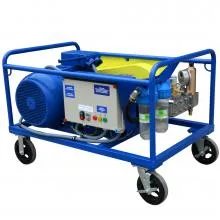
АВД Посейдон E2-140-8-Gun (ВНА-140-8Б)
АВД Посейдон E7-200-20-Th-Gun (ВНА-ЭГ-200-20-А)
АВД Посейдон E2-140-8-Gun (ВНА-140-8Б)
АВД Посейдон E5-180-13-Gun (ВНА-180-13А)
АВД Посейдон E2-140-8-Gun (ВНА-140-8Б)
АВД Посейдон E4-160-14-IP-Gun
АВД Посейдон E2-140-8-Gun (ВНА-140-8Б)
АВД Посейдон E5-200-15-IP-Gun-MZ-TST-FC
АВД Посейдон E2-140-8-Gun (ВНА-140-8Б)
АВД Посейдон E15-500-17-UD-Gun 1070
АВД Посейдон E2-140-8-Gun (ВНА-140-8Б)
АВД Посейдон E37-600-30-Gun